Verify technical and operational readiness with a structured new tire supplier qualification checklist. This guide covers materials, quality systems, logistics, and risk controls to reduce supply disruption for engineering teams.
- Treat supplier qualification as a gate for procurement, not a formality completed after the first PO.
- Verify raw material traceability and curing records before accepting production batches.
- Map single points of failure in logistics to reduce the risk of frequent stockouts.
- Define acceptance criteria for wheel balance, runout, and coating uniformity in writing.
Why a Standardized Checklist Matters
Engineers fail when they rely on a sales presentation to confirm supplier capability. A verbal promise that a facility can handle high-volume wheel coatings or that a tire plant maintains stable curing temperatures is not enough for a production line. The risk is not just a late delivery. The risk is a batch of tires that fail under load or a set of wheels that generate vibration and noise.
A structured new tire supplier qualification process forces you to separate marketing claims from operational reality. It creates a paper trail. If a defect appears in production, you know exactly what was verified at the source and what was missed. This is the core of supplier evaluation. It moves the conversation from price negotiation to technical due diligence.
Technical Capability Verification
Start with the physical product. For tires, verify the compound formulation, casing construction, and tread design files. Request the specific material datasheets for the rubber blend and carbon black or silica used. Check if the supplier uses a proprietary mix or standard industry grades. If they use standard grades, ask for the mill certificates that prove purity and batch consistency.
For wheels, inspect the alloy composition and heat treatment process. Aluminum wheels require specific heat treatment cycles to achieve the correct hardness. Request the heat treatment log for recent production runs. Look for the quenching time, tempering temperature, and furnace calibration records. A supplier that cannot provide these logs is not operating a controlled process.
The first table below lists the core technical documents you should request during the qualification phase.
| Verification Area | Required Document or Record | Acceptance Criteria |
|---|---|---|
| Tire Compounds | Material Datasheets | Specific chemical composition and source |
| Wheel Alloy | Heat Treatment Log | Temperature, time, and furnace ID recorded |
| Tread Design | CAD Files and CAD Version | Matches approved engineering drawing |
| Wheel Balance | Balance Report | Within specified tolerance for rotational mass |
| Curing Process | Curing Cycle Record | Pressure and temperature within set parameters |
Do not accept a generic quality certificate. You need the specific record for the batch you are buying. If a supplier only provides a summary of their last year’s compliance, that is a red flag. It suggests they are not tracking production in real time.
Quality Management Systems
A supplier must have a documented quality management system in place. This is not just a binder of policies on a shelf. It is a living system that tracks deviations, corrective actions, and preventive measures. Ask for the process map that shows how a quality deviation is identified, reported, and closed out.
Check the calibration status of their measurement equipment. A tire pressure gauge that is not calibrated can miss a critical defect in the internal structure. A wheel runout gauge that is out of tolerance will let a wobbly wheel pass inspection. Request the calibration certificates for the instruments used in the final inspection station.
Red flags to watch for during this stage include a lack of a defined non-conforming material process. If a tire fails a visual inspection, where does it go? Is there a quarantine area? Is there a process to identify the root cause before the next shift starts? If the answer is vague, the supplier is not ready for high-stakes procurement.
Operational and Logistics Readiness
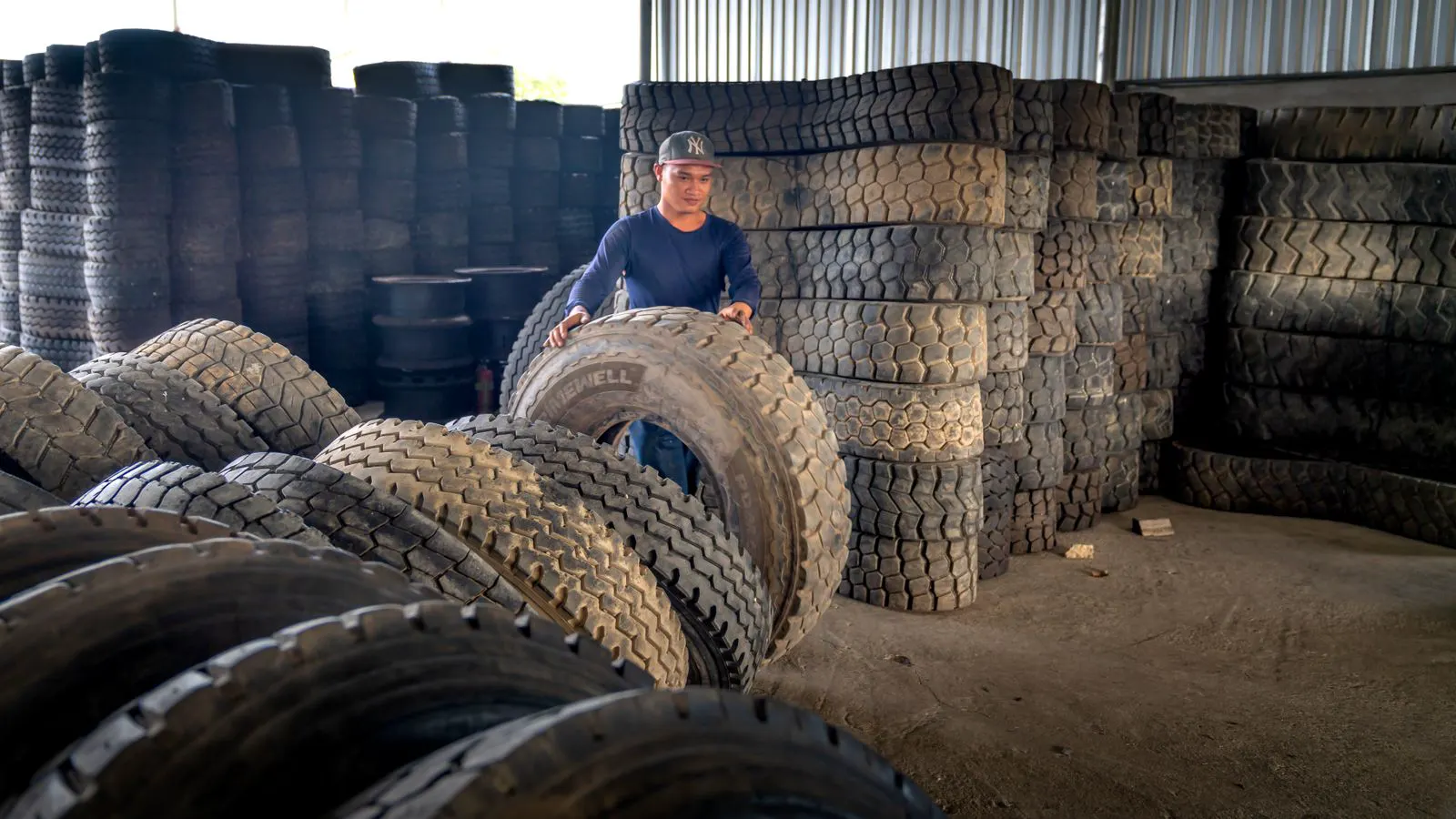
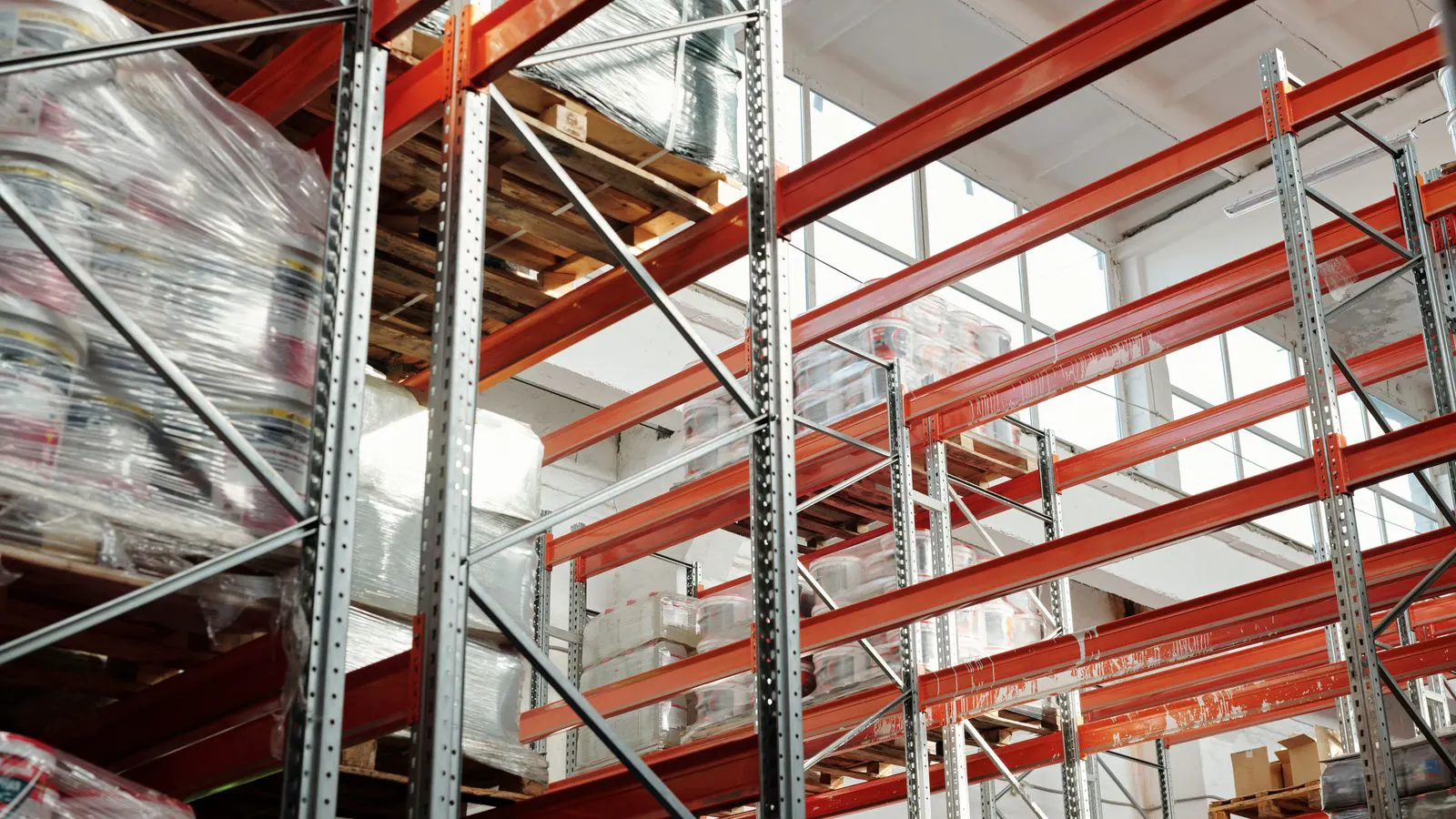
Technical capability is useless if the supplier cannot deliver. Evaluate their logistics infrastructure. For tires, check the storage conditions. Tires stored in high humidity or direct sunlight degrade faster. Look for a climate-controlled warehouse. Verify the stack height. Improper stacking can deform the sidewall of the tire, leading to a defect that will not be visible until the tire is mounted and driven.
For wheels, check the packaging. Crates must be strong enough to withstand shipping impact. Look for corner protectors and foam inserts. A wheel that arrives dented is a non-conforming part.
The second table outlines the key operational checks to perform during a site visit or virtual audit.
| Operational Area | Key Check | Risk of Failure |
|---|---|---|
| Storage | Temperature and humidity control | Rubber degradation, coating peeling |
| Packaging | Crate strength and impact testing | Physical damage during transit |
| Inventory | First-in, first-out system | Expired or obsolete stock |
| Shipping | Carrier reliability and tracking | Delayed delivery, lost goods |
| Lead Time | Buffer stock availability | Production line stoppage |
Do not ignore the inventory management system. Ask if they use a first-in, first-out method. Tires have a shelf life. If a supplier sells you a tire that was manufactured two years ago, it may not perform as specified. Check the date code on the sidewall of the sample tires.
Risk Assessment and Financial Health
Supplier evaluation is incomplete without a risk assessment. You need to know if the supplier is financially stable. A supplier that is about to go bankrupt will not care about your quality standards. They will cut corners to survive. Check their financial statements or ask for a reference from another customer.
Identify single points of failure. If a supplier relies on a single raw material mill for their rubber compound, what happens if that mill shuts down? If a wheel supplier uses a single coating plant, what is the backup? Map out the supply chain. The more layers there are, the more places a failure can occur.
Red flags include a high turnover rate on the engineering team. If the person who designed the specification leaves, the supplier may not be able to troubleshoot issues. A stable team is a sign of operational maturity.
Defining Acceptance Criteria
Before the first production order, define the acceptance criteria in writing. This is where many buyers fail. They assume the supplier knows what “good” looks like. You must define it. For tires, specify the allowable range for tread depth, sidewall thickness, and internal voids. For wheels, specify the tolerance for balance, runout, and surface finish.
Create a sample acceptance test plan. This should include the specific tools used for measurement and the frequency of testing. Do you test every unit? Or do you use statistical sampling? If you use sampling, define the sample size and the acceptance limit.
Red flags to watch for include a refusal to provide sample units for independent testing. A legitimate supplier will provide samples. If they say they cannot provide samples until you place a full order, they are hiding something.
Documentation and Contractual Controls
The final step is ensuring your contract reflects the qualification process. The contract should include the specific quality standards you are using. It should define the penalty for non-conformance. It should require the supplier to provide documentation for every batch.
Do not leave the acceptance criteria out of the contract. If the supplier delivers a wheel that fails your balance test, but the contract does not specify a tolerance, you cannot reject it. The documentation must be airtight.
This new tire supplier qualification checklist is not a one-time event. You should re-qualify your supplier after a period of time, or after any major change in their process. A supplier that passed qualification two years ago may not be qualified today.
Red Flags Summary
A supplier is not ready if they cannot provide the following:
- Specific batch records for the product you are buying.
- Calibration certificates for all measurement equipment used in inspection.
- A defined process for handling non-conforming materials.
- Proof of climate-controlled storage for tires and wheels.
- Financial stability references from other customers.
If you see more than one of these gaps, do not proceed. The cost of a production stoppage is far higher than the cost of finding a new supplier.
Frequently asked questions
How often should a new tire supplier be re-qualified?
Re-qualify the supplier annually, or immediately after any major change in their manufacturing process, management structure, or facility location.
What is the difference between a quality certificate and a batch record?
A quality certificate is a summary statement of compliance. A batch record is the specific log of measurements and conditions for the exact units being shipped to you.
Why is storage temperature critical for tire qualification?
Tires are made of rubber, which degrades over time. High heat and humidity accelerate this degradation, reducing the tire's structural integrity and service life.
How do I verify a wheel supplier's heat treatment process?
Request the heat treatment log for recent production runs, including the quenching time, tempering temperature, and the ID of the furnace used.
What should I do if a supplier refuses to provide sample units for testing?
Treat this as a major red flag. A legitimate supplier will provide samples for independent verification. Refusal suggests a lack of confidence in their product quality.