
Passenger Car Tires
Comparison: All-Season vs. Summer Passenger Tires
All-season tires balance wet and dry grip with longer tread life, while summer tires offer sharper handling and better performance in warm weather. Choose based on your
Find practical guides on passenger tire specs, load ratings, seasonal use, and replacement planning for fleet and retail buyers.
All-season tires balance wet and dry grip with longer tread life, while summer tires offer sharper handling and better performance in warm weather. Choose based on your
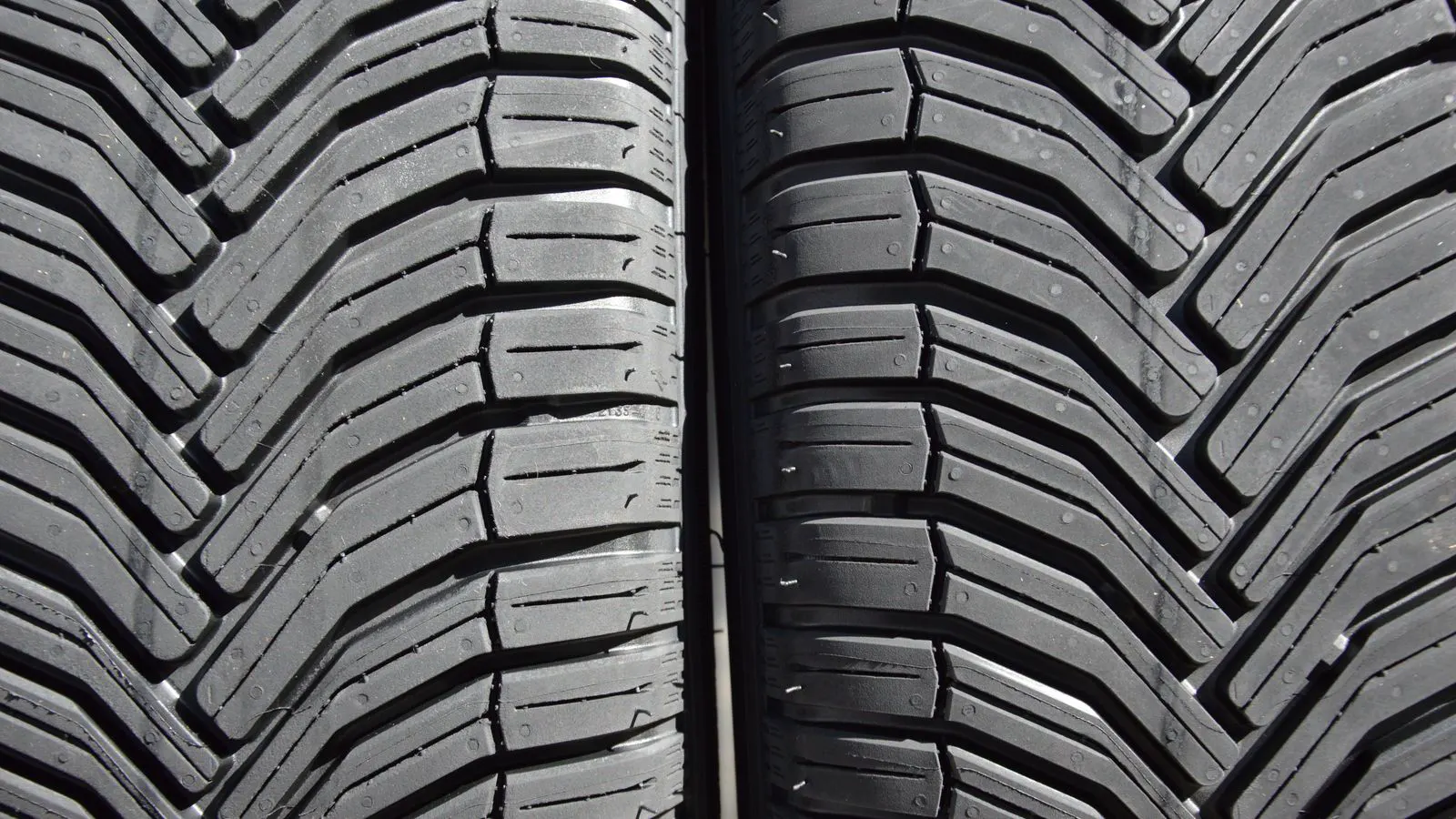
Uneven tire wear signals mechanical or maintenance failures. This guide maps specific wear patterns to alignment, pressure, and suspension faults, providing actionable

Passenger tire cost depends on raw material prices, shipping times, and freight rates. Overseas imports require careful comparison of duty, insurance, and delivery

Passenger car tires will shift toward lower rolling resistance, sustainable materials, and EV-specific construction. Buyers should plan for updated load ratings

This guide provides a structured inspection protocol for imported passenger tires. It covers physical verification, documentation checks, and quality control steps to

Seasonal tires use distinct rubber compounds and tread patterns for specific temperatures. Summer tires grip hot pavement, winter tires flex in cold, and all-season
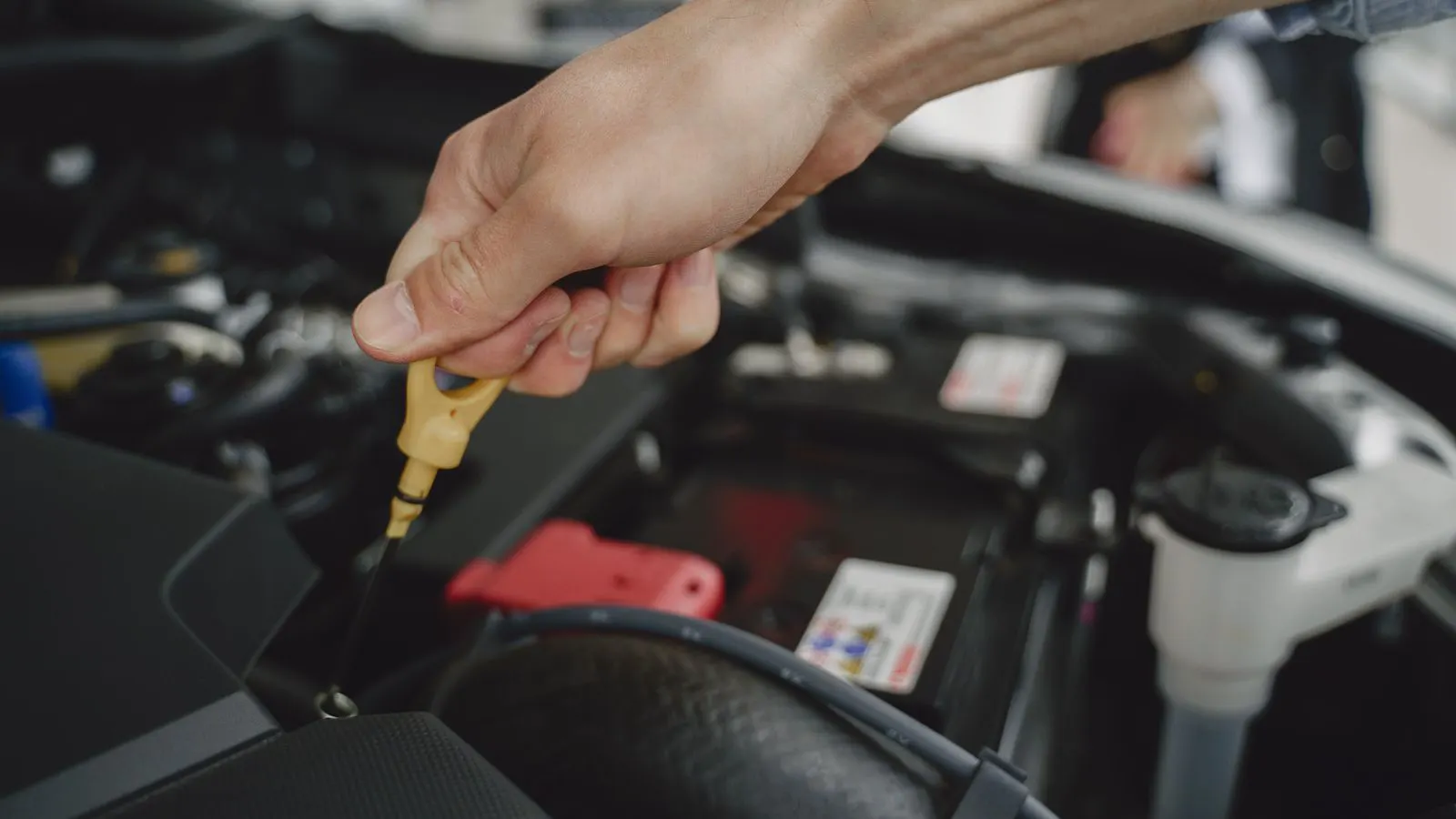
Determine replacement intervals by tracking mileage, monitoring tread depth and evenness, and adjusting for load and climate. A structured schedule prevents sudden

The load index on a passenger tire sidewall indicates maximum weight capacity. Buyers must match this rating to vehicle payload, axle load, and duty cycle. This guide