Wheels & Rims
Outlook: Lightweight Rim Materials for EV Fleets
Lightweight rim materials reduce unsprung mass, improving EV fleet efficiency and tire life. Buyers should plan for material shifts, testing protocols, and supplier
See clear explanations of wheel materials, bolt patterns, rim tolerances, and fitment checks for tires and wheels buyers.
Lightweight rim materials reduce unsprung mass, improving EV fleet efficiency and tire life. Buyers should plan for material shifts, testing protocols, and supplier
Rim tolerances define the dimensional limits a wheel must meet for safe tire mounting. Tolerances govern flange width, bead seat geometry, and rim offset. Strict
Forged rim cost is usually higher than cast options because of labor, yield, and heat treatment. Lead time depends on alloy availability, tooling, and inspection. Buyers
Fleet buyers should watch magnesium, high-strength aluminum, and composite developments. These lightweight wheel materials affect payload, fuel use, and replacement
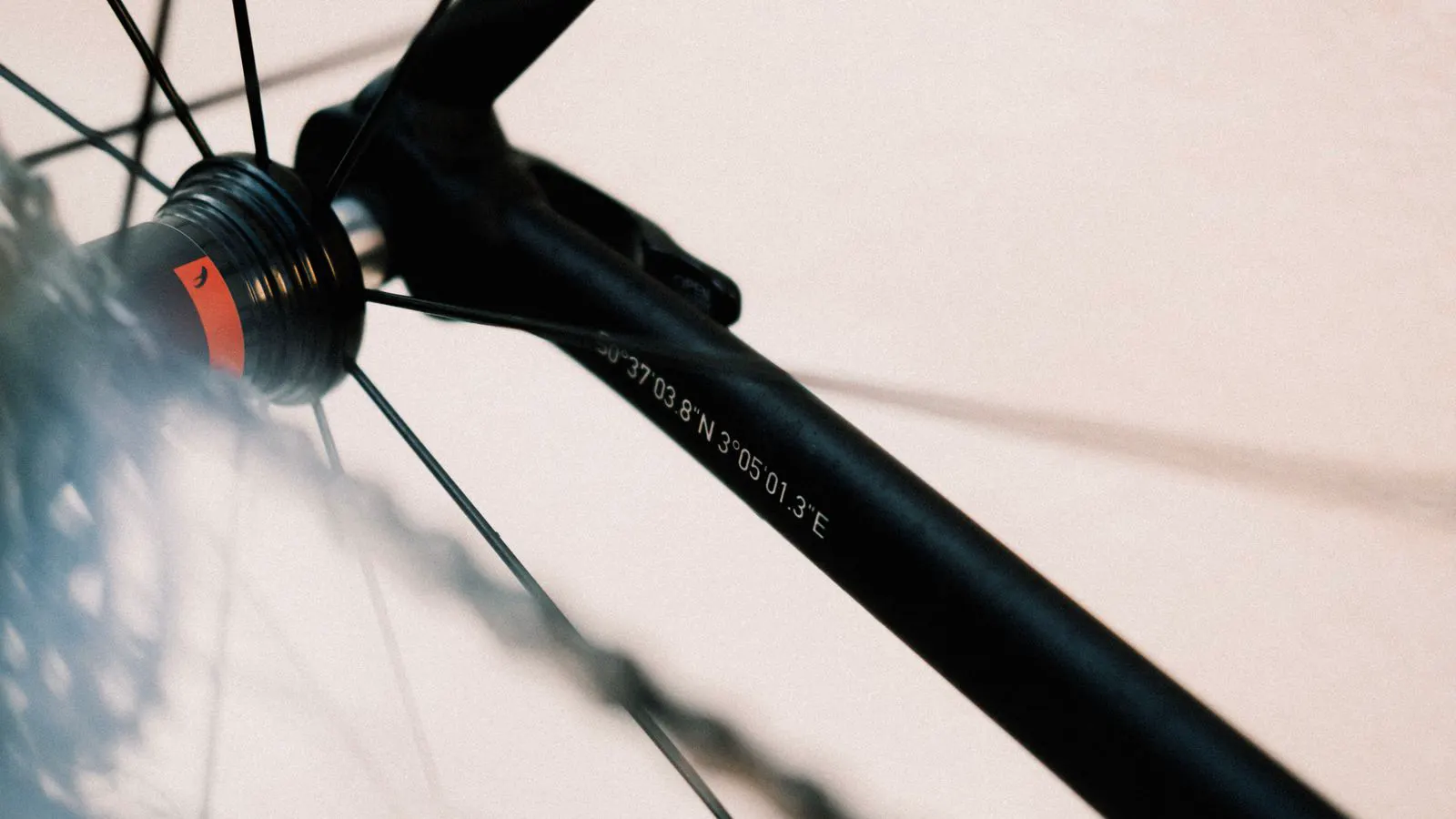
Rim offset determines lateral wheel position relative to the hub, directly influencing tire clearance, steering geometry, and alignment stability. This explainer defines
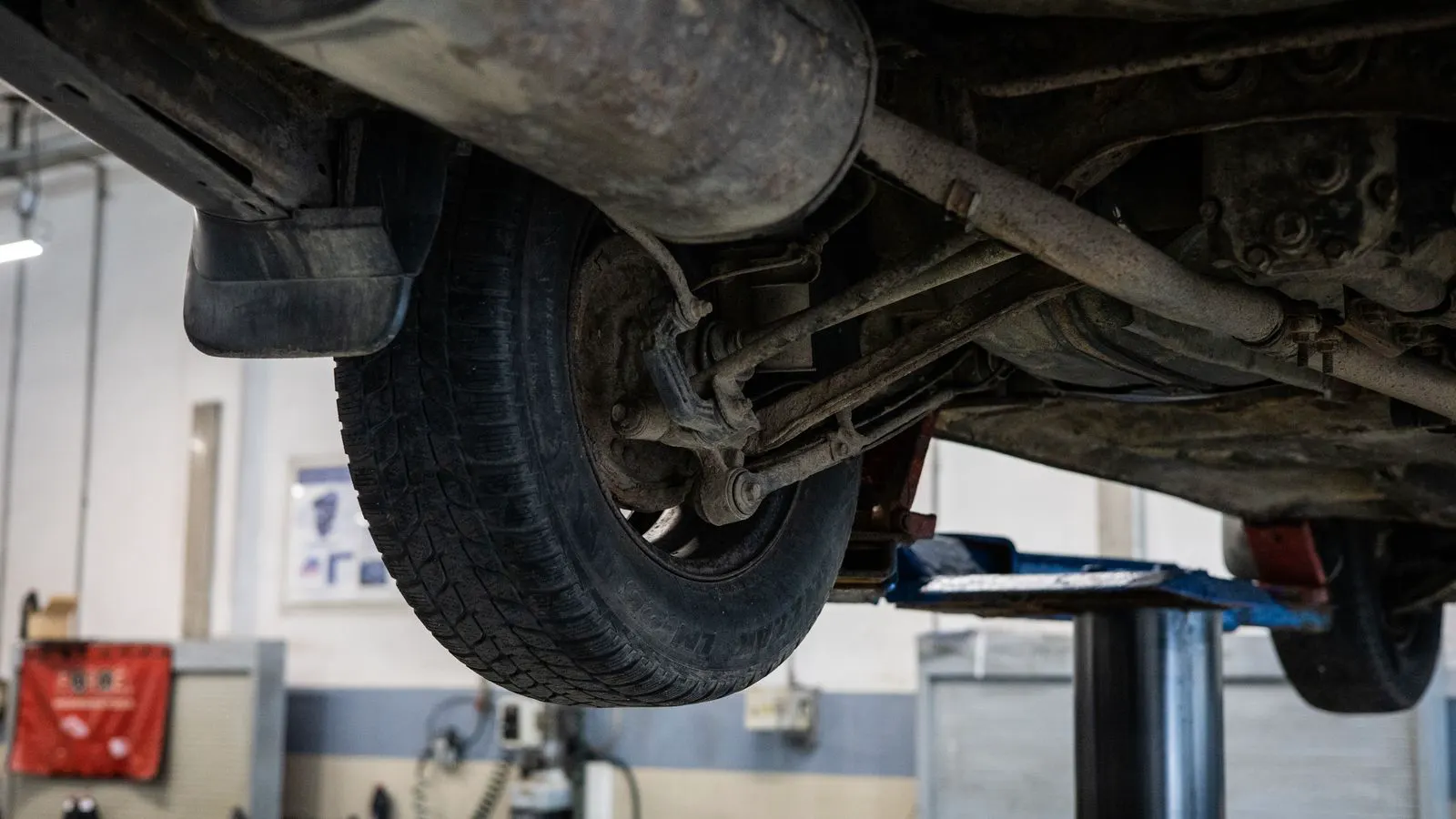
A pre-shipment inspection of imported aluminum wheels requires checking physical condition, dimensional accuracy, surface finish, and documentation. This guide provides
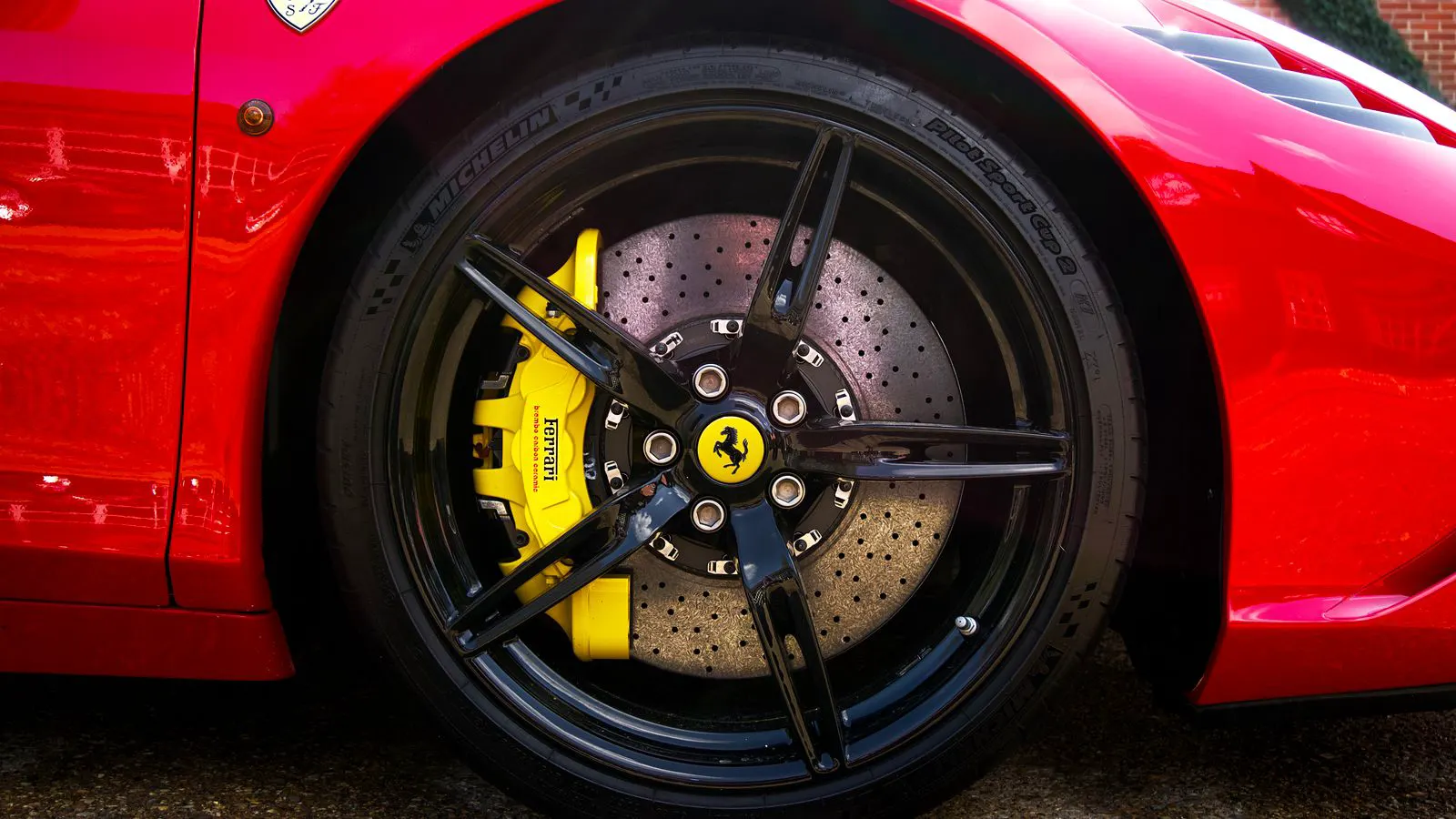
Rim tread damage often stems from mismatched tire and wheel combinations. This guide identifies visible wear patterns, traces them to specific fitment errors, and
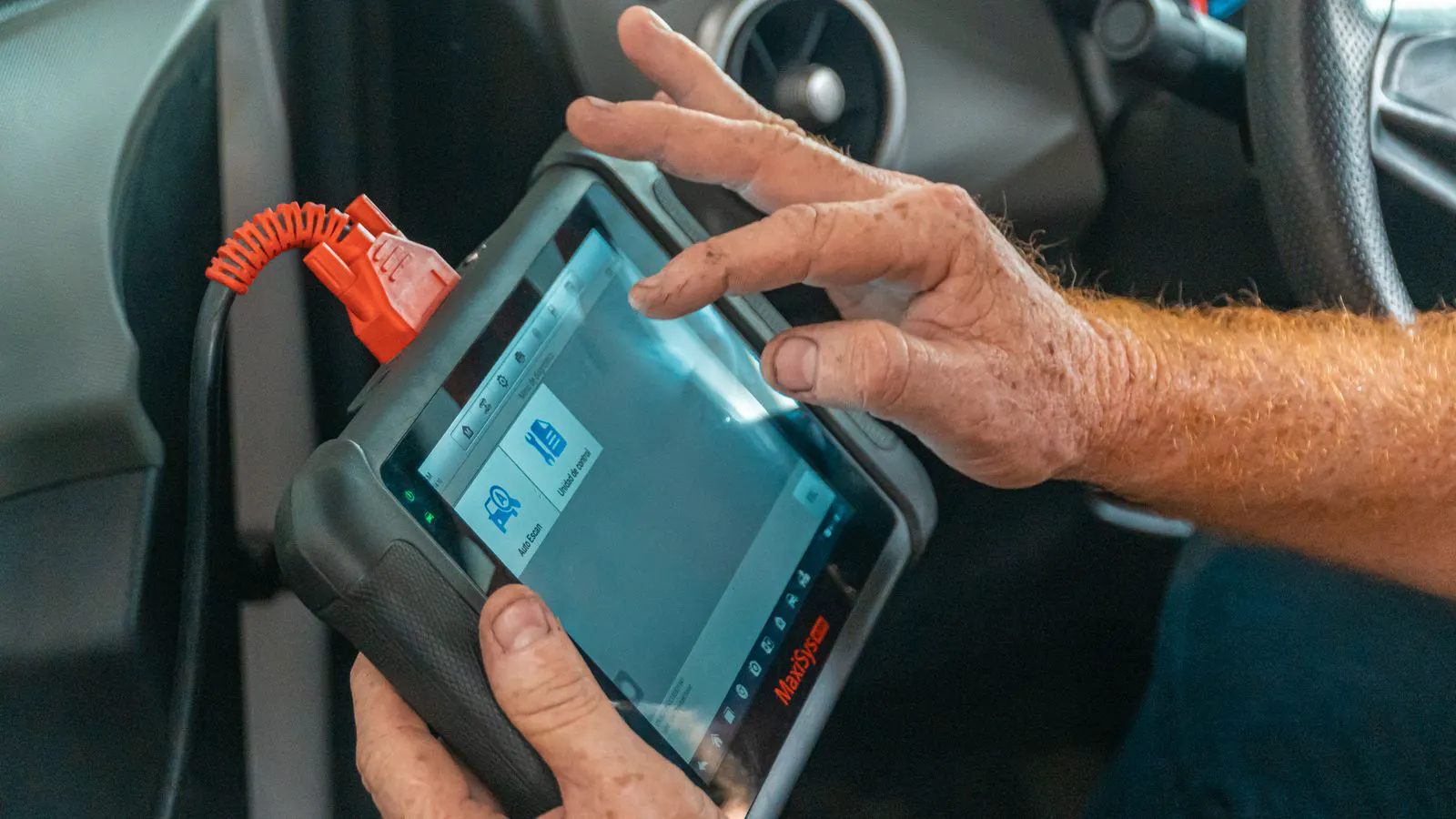
Rim tolerance standards differ because passenger wheels prioritize low-speed comfort and precise fitment, while commercial wheels focus on load integrity and durability.
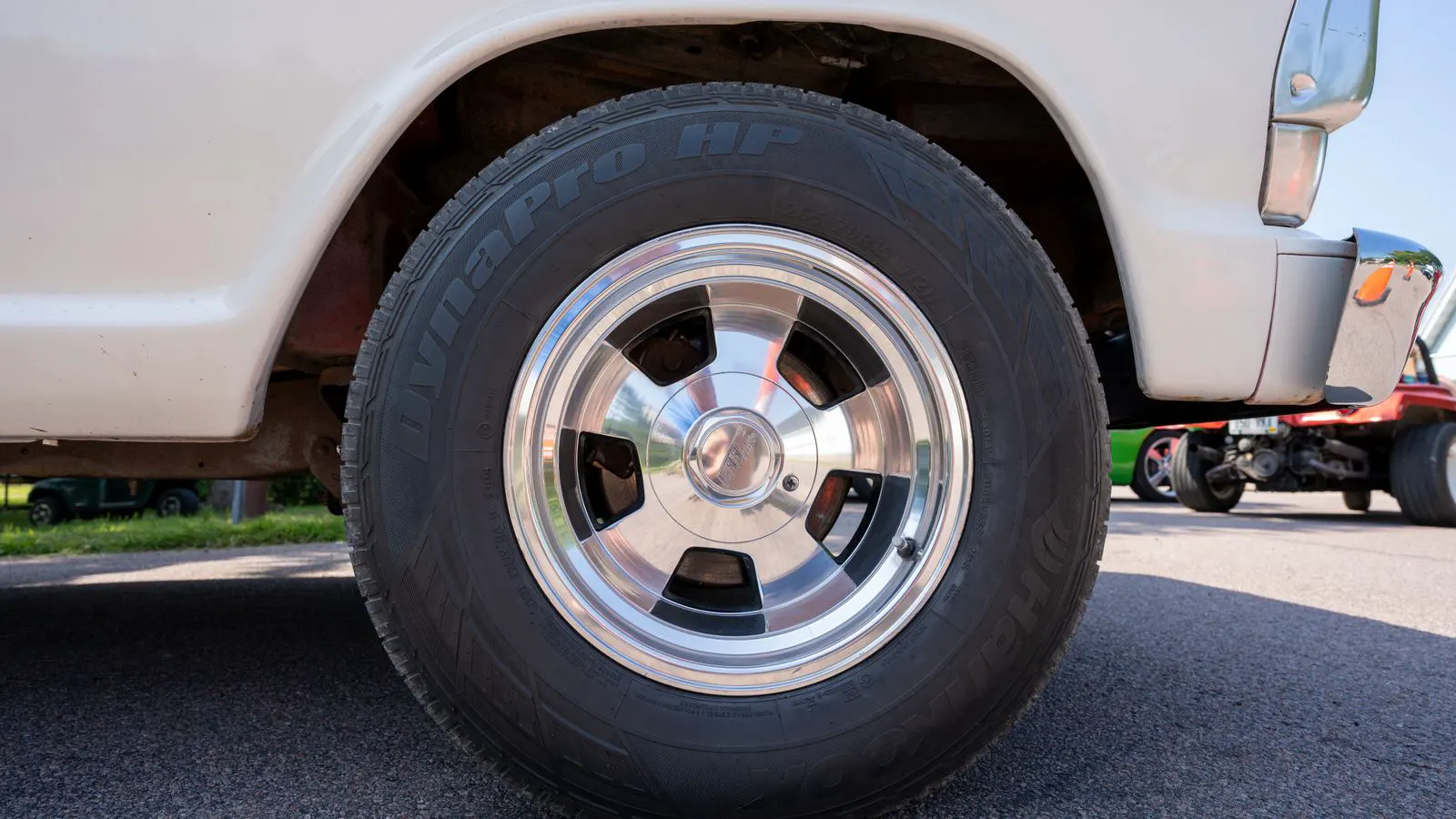
Commercial steel wheel rims are the standard for high-load trucks and vans due to their strength and low cost. This guide explains how to verify load ratings, corrosion
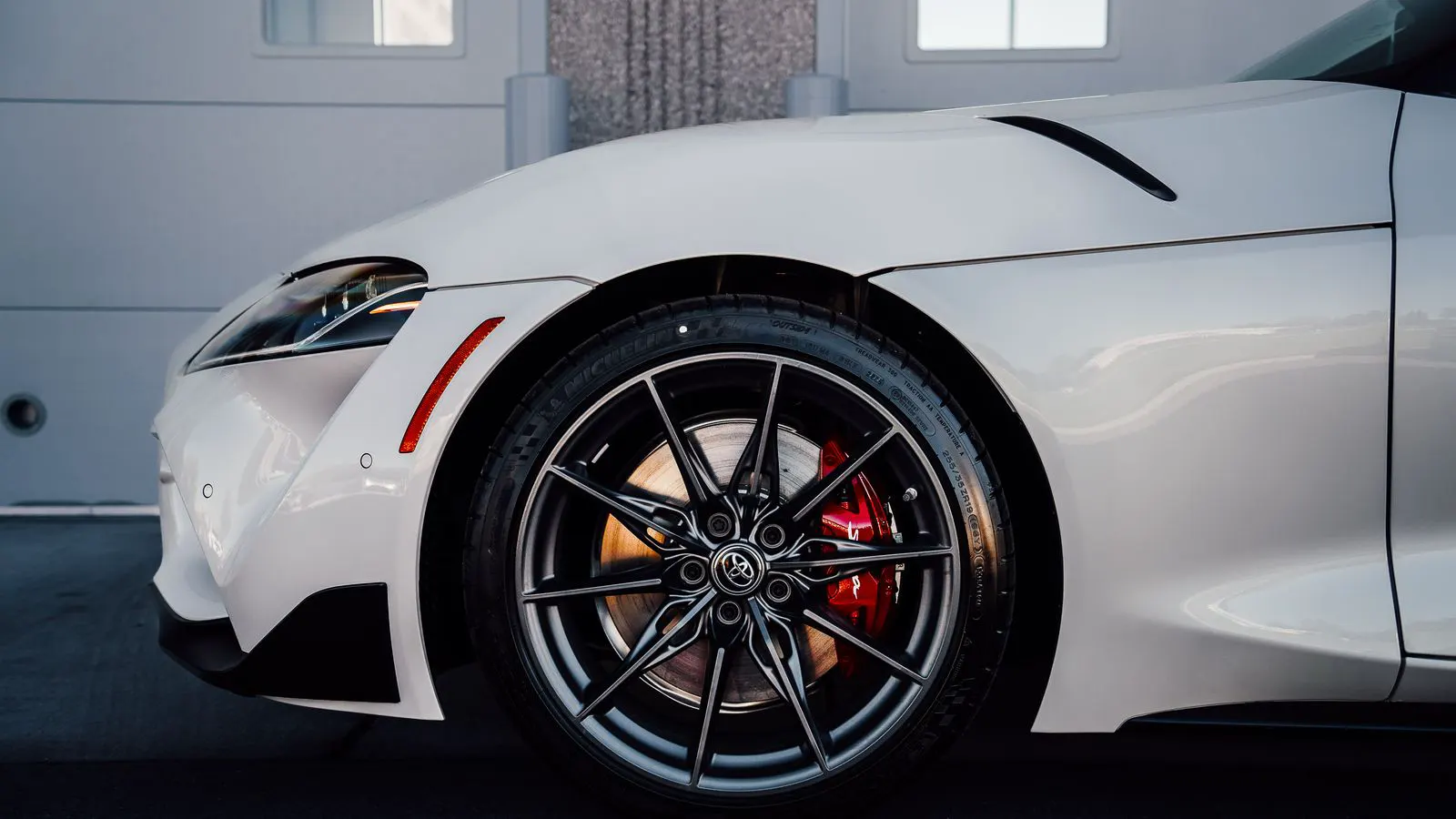
Forged wheels cost more than cast rims but offer better strength and lighter weight. Lead times vary based on tooling complexity, material availability, and supplier

Accurate bolt pattern verification ensures a wheel physically aligns with a vehicle hub. By measuring the bolt circle diameter and counting holes, buyers prevent fitment