Off-road tire costs depend on load rating, tread design, and material composition, while lead times vary by region and demand. Commercial buyers should standardize specifications and request multiple quotes to manage budgets and avoid downtime.
- Price is driven by load index, construction type, and tread pattern, not just size.
- Lead times vary by region and demand; build buffer stock for critical machines.
- A clear RFQ with exact load ratings and operating conditions reduces quote variance.
- Compare quotes on total cost of ownership, including spare tire allocation and warranty terms.
Procurement Guide for Off-Road Tire Supplies
Procurement teams managing heavy equipment fleets face a recurring challenge. Off-road tires cost more than standard industrial tires and often take longer to source. The gap between a simple order and a reliable supply line involves several variables that affect both budget and downtime.
Understanding these variables helps buyers plan maintenance windows and avoid emergency purchases. The following guide breaks down cost drivers, delivery timelines, and the procurement steps that lead to fair quotes.
What Drives the Price of Off-Road Tires
Tire pricing starts with the load rating. A tire designed for a 50-ton excavator costs more than one rated for a 15-ton loader. The load index determines the sidewall thickness, ply count, and casing strength. Higher load ratings require more raw materials and longer curing cycles. For example, a tire with a 60% higher load capacity might use a thicker bead seat and heavier steel belts, directly increasing the weight of the rubber and metal components. This physical mass translates directly into material costs and energy consumption during the vulcanization process.
Construction type also affects cost. Steel-belted tires with radial plies offer better wear resistance than bias-ply alternatives. Radial constructions use more rubber and complex manufacturing steps. For fleets operating in rocky or abrasive terrain, a premium radial with a reinforced casing may be the correct choice, even if the upfront price is higher. The radial design allows the tire to flex independently, absorbing shock from impacts that would tear a bias-ply casing. However, this flexibility requires precise alignment of the cord plies. A small deviation during the molding stage can lead to uneven wear, so quality control checks are more intensive for radial tires.
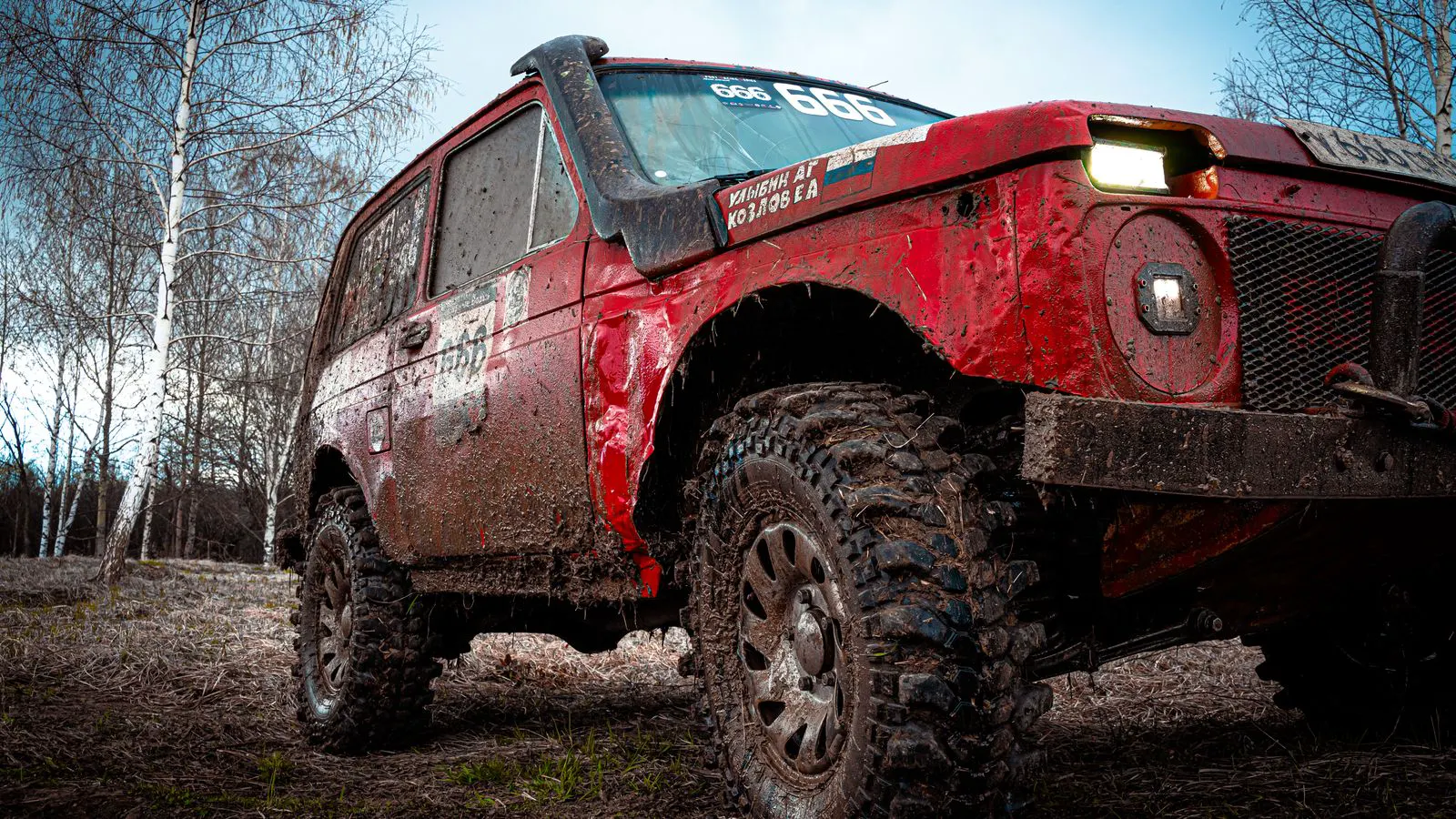
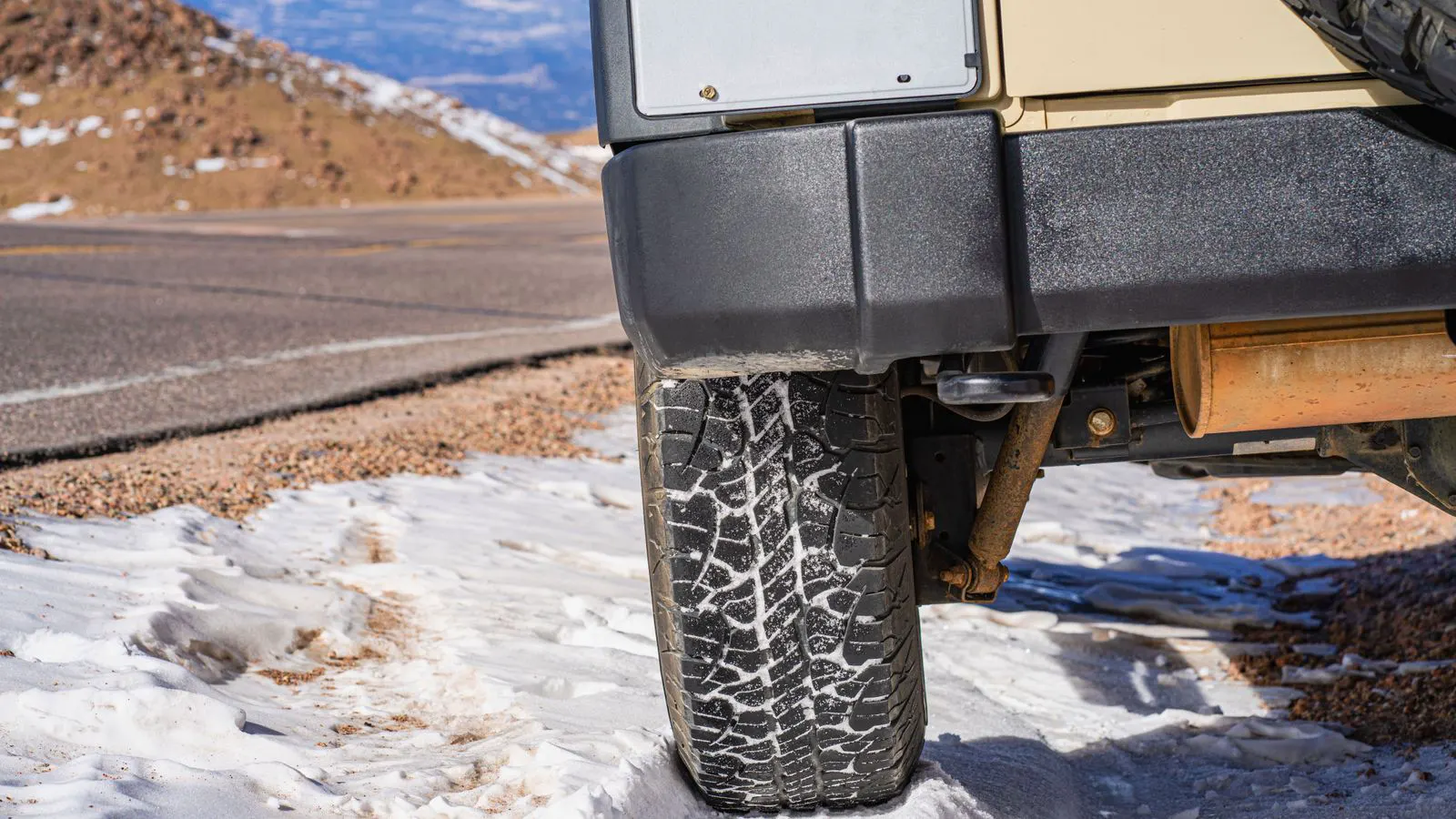
Tread pattern design influences production cost. Aggressive lugs for soft ground require more complex molding and cutting. A standard chevron pattern costs less to manufacture than a deep, multi-void design for mud. The tread must match the operating environment. Over-specifying the tread for hard ground wastes money. Under-specifying it leads to premature failure. Consider a construction site where the ground is mostly compacted earth. A tire with a moderate lug height will shed dirt and maintain traction. A tire designed for deep mud will have voids that fill with dirt quickly, reducing grip on hard surfaces and increasing the risk of chunking.
Material composition plays a role. Carbon black content affects durability and heat resistance. Tires formulated for high-temperature or high-vibration use contain different additive packages. These formulations increase raw material costs but extend service life. Specialty rubber compounds often include antioxidants and anti-aging agents to prevent the sidewall from cracking under UV exposure or sustained heat. If a fleet operates in a desert environment, the heat generated by the tire casing can accelerate the aging process. Using a standard compound in this scenario may result in a shorter service interval, forcing more frequent replacements.
Size and footprint matter. Larger tires use more material and require larger molds. If a fleet operates a mix of equipment sizes, standardizing on fewer sizes helps reduce inventory costs and improves supply chain visibility. For instance, if a fleet uses both 12-foot and 10-foot tires for different excavators, the inventory management becomes more complex. Ordering both sizes requires tracking two distinct supply chains, two distinct warranty policies, and two distinct storage requirements. Standardizing on one size where the machine specifications allow simplifies the procurement process and ensures that spare tires are always available for any unit in the fleet.
How Lead Time Affects Fleet Planning
Lead time is the period between placing an order and receiving the tires on-site. For off-road tires, this period varies by several factors. Understanding the components of lead time allows buyers to calculate the total cycle time accurately.
Manufacturing capacity is a primary driver. Tire plants run on schedules. If a plant is at full capacity, new orders queue up. During peak seasons, lead times extend. Off-season periods may offer shorter delivery windows. Tire manufacturing is a capital-intensive process. Plants have limited space for curing ovens and molding presses. When demand spikes, such as before a major construction season, the queue for new production slots can grow significantly. A buyer who places an order in mid-autumn for winter use may find that the production slot is already booked through the end of the year.
Supply chain conditions also matter. Raw material availability, such as natural rubber or synthetic polymers, can shift production rates. If a critical input is scarce, manufacturers may prioritize existing orders or delay new ones. The supply of natural rubber is influenced by global weather patterns and harvest cycles. When a major producing region faces a shortage, the price of raw rubber rises, and manufacturers may restrict production to preserve existing inventory. This can result in longer lead times for new orders, even if the manufacturing process itself is unchanged.
Logistics add time. Off-road tires are heavy and bulky. Shipping by truck or rail to a regional warehouse takes longer than local delivery. If the fleet operates in a remote area, transport time increases further. Customs clearance for imported tires adds another layer. Off-road tires are often manufactured in regions with lower production costs and shipped to the point of use. If the tire is imported, it must pass through customs inspection. This process involves documentation checks, duty calculations, and physical inspection. Delays in any of these steps can add weeks to the delivery timeline.
Lead time variability creates risk. A fleet that relies on a single supplier and a single shipping route faces higher downtime risk. A fleet that stocks spare tires and uses multiple suppliers can absorb delays. For example, if a supplier faces a production halt due to a machine failure, a fleet with only one source of supply will be unable to replace failed tires until the supplier recovers. A fleet with a secondary supplier can order from the second source immediately, minimizing the time the machine is out of service.
How to Write a Clear RFQ
A Request for Quote (RFQ) should remove ambiguity. Suppliers need exact specifications to provide accurate pricing and lead times. Vague requests lead to generic quotes that do not reflect the actual operating conditions. A well-structured RFQ ensures that every supplier is working from the same set of parameters, making the comparison of quotes fair and meaningful.
A strong RFQ includes the following details.
- Equipment make and model, or at least the axle load and tire footprint.
- Tire size and load index.
- Construction type (radial or bias-ply).
- Tread pattern preference or application (soft ground, rocky, mixed).
- Operating region and seasonal conditions.
- Estimated annual usage or operating hours.
- Required quantity and delivery location.
- Payment terms and warranty requirements.
Including operating conditions helps suppliers recommend the correct tire. A tire that performs well in one climate may fail quickly in another. The more specific the RFQ, the more comparable the quotes become. For example, specifying “high-temperature desert environment, 2000 hours per year” provides more context than simply stating “off-road tire.” This information allows the supplier to recommend a compound with higher heat resistance and a tread depth that suits the abrasive nature of the ground. It also allows the supplier to calculate a realistic service life expectation, which is a key factor in the total cost of ownership analysis.
How to Compare Quotes Fairly
Quotes often differ in structure. One supplier may charge a lower unit price but include fewer spare tires. Another may charge more per tire but offer extended warranty or free replacement parts. To compare these quotes accurately, buyers must look beyond the initial invoice price.
Compare total cost of ownership, not just unit price. Total cost includes the price of the tire, the cost of installation, the cost of disposal, and the cost of downtime if the tire fails early. For instance, a tire that costs 10% less but fails after 500 hours, while another costs 10% more but lasts 1000 hours, the second tire is the better financial choice. The cost of downtime, including lost production time and potential penalties for missed deadlines, can far exceed the difference in tire price.
Warranty terms matter. Some warranties cover only a specific number of operating hours. Others cover a period from the date of manufacture. Read the fine print. A longer warranty period does not always mean better coverage. A warranty that covers 1000 hours but is void if the tire is not mounted correctly is less valuable than a warranty that covers 500 hours but includes free labor for any defect. Buyers should also check if the warranty includes coverage for premature failure due to manufacturing defects or if it is limited to normal wear.
Lead time should be part of the comparison. A quote with a 14-week delivery time may cost less per tire, but it may not meet the fleet’s maintenance window. A quote with a 4-week delivery time may cost more, but it keeps the machine running. If a fleet operates on a strict schedule, the cost of keeping a machine running for an extra month may justify the higher price of a tire with a shorter lead time.
Cost Drivers Table
The table below lists the main factors that influence off-road tire cost.
| Cost Driver | Impact on Price | Impact on Lead Time |
|---|---|---|
| Load Index | Higher load index increases raw material and casing cost. | High-load tires may have longer production queues. |
| Construction Type | Radial tires cost more due to complex manufacturing. | Radial production may be slower than bias-ply. |
| Tread Pattern | Complex lugs increase molding and cutting time. | Custom tread designs may require special tooling. |
| Material Additives | Specialty compounds for heat or abrasion raise material cost. | Special formulations may limit supplier options. |
| Shipping Distance | Longer distances increase freight cost. | Remote delivery adds transit time. |
Managing Supply Chain Risk
Fleet operators should plan for variability. The supply chain for heavy tires is not always predictable. Weather events, plant maintenance, and raw material shortages can interrupt delivery. Proactive planning helps mitigate these risks and ensures that the fleet continues to operate efficiently.
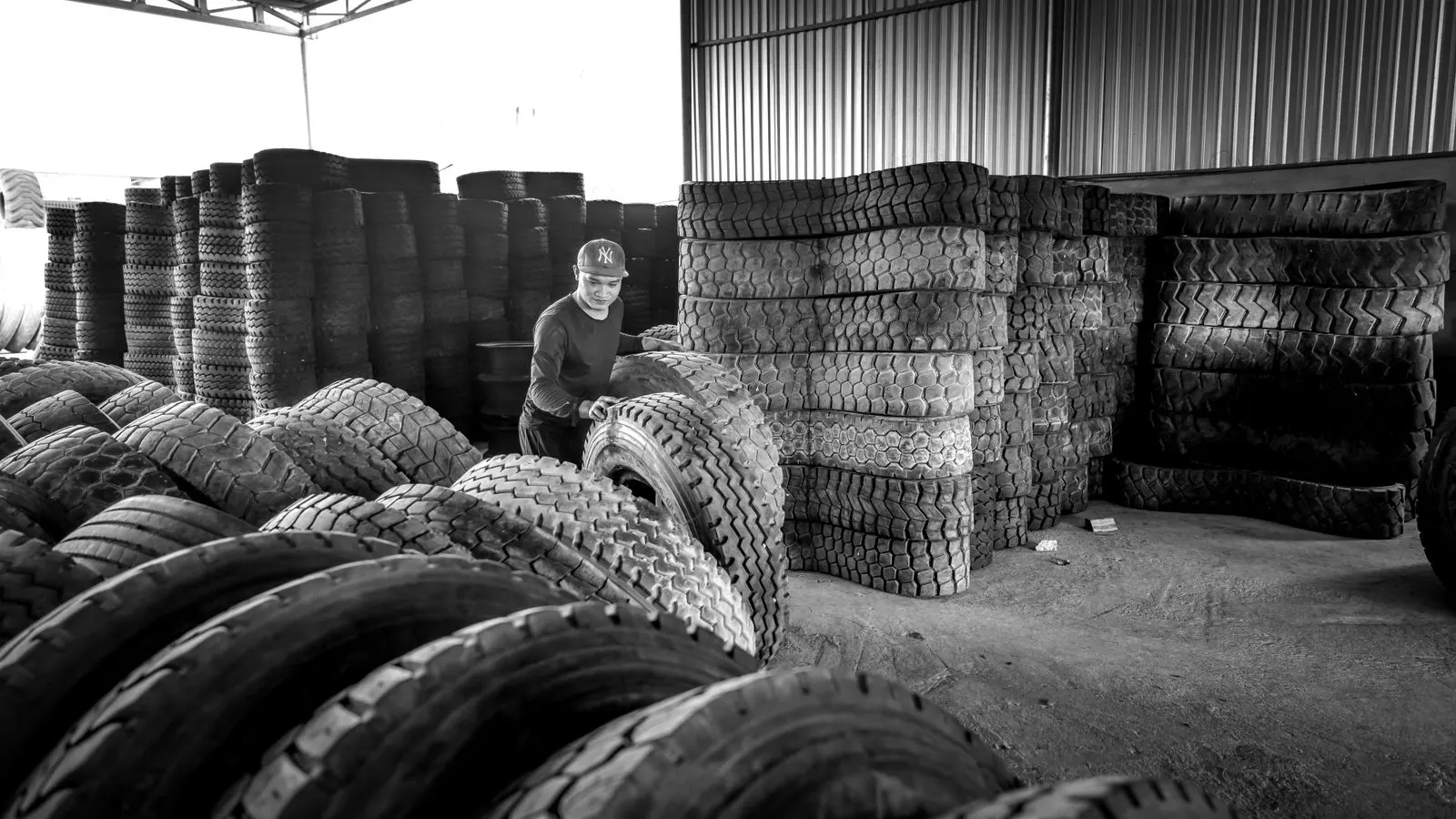
Stocking spare tires is a common practice. A typical fleet may keep one spare set per machine or a shared pool for multiple machines. The exact number depends on the cost of downtime versus the cost of storage. For a high-value machine that generates significant revenue every hour it is running, the cost of storage is negligible compared to the cost of downtime. For a machine that is used intermittently, a smaller spare pool may be sufficient. The decision should be based on a calculation of the expected downtime cost versus the storage and capital tied up in spare tires.
Using multiple suppliers reduces risk. If one supplier faces a delay, another can fill the gap. This approach requires standardizing specifications so that tires from different sources are compatible. Compatibility is not just about the tire size. It also involves the load rating, tread pattern, and construction type. If two suppliers offer tires with the same size but different load ratings, they are not interchangeable. A fleet must ensure that all approved suppliers offer tires that meet the same performance criteria. This allows the fleet to switch suppliers without compromising the safety or performance of the equipment.
Negotiating long-term contracts can lock in pricing and priority. A contract that guarantees a certain production slot may secure a shorter lead time during peak seasons. In exchange, the fleet commits to a minimum volume. This type of contract provides stability in pricing and supply. It also allows the supplier to plan production more accurately, which can result in higher quality control and fewer defects. However, the fleet must be careful not to commit to volumes it cannot absorb, as this can lead to excess inventory and storage costs.
Final Procurement Checklist
Before issuing a purchase order, confirm the following points.
- The tire size and load rating match the equipment specification.
- The tread pattern suits the primary operating environment.
- The warranty terms are clear and cover the expected operating hours.
- The delivery date aligns with the maintenance schedule.
- The payment terms are within the fleet’s budget cycle.
- A spare tire allocation is included in the order.
Following these steps reduces the chance of receiving a tire that does not fit the machine or fails too quickly. It also makes it easier to compare future quotes against current performance data.
Frequently asked questions
How long do off-road tires typically take to deliver?
Lead times vary by region, supplier, and season. Standard delivery can take several weeks, while high-load or custom tires may require longer.
What is the biggest cost driver for commercial off-road tires?
Load rating and construction type are usually the largest factors. A higher load index and radial construction increase both material and manufacturing cost.
Can I mix tire brands in the same fleet?
Yes, if the specifications match. The size, load rating, and tread depth should be similar to maintain consistent handling and wear.
Does buying in bulk reduce the lead time?
Not necessarily. Bulk orders may reduce unit cost, but they can also extend production time if the plant needs to allocate more capacity to that order.
How should I store spare off-road tires?
Store them in a cool, dry area away from direct sunlight. Rotate them periodically to prevent flat spots and keep the pressure at the recommended level.