UTQG ratings are three-letter symbols on tire sidewalls. They indicate treadwear, traction, and temperature resistance. This guide shows how to interpret each grade and apply them to fleet and vehicle selection.
- UTQG is a three-part scale: Treadwear, Traction, and Temperature.
- Treadwear is a relative number, not an absolute mileage guarantee.
- Traction grades use letter A through D with no "C" or "B".
- Temperature grades use letter A through C for heat resistance.
- Ratings are manufacturer tests, not regulatory mandates.
What UTQG Ratings Actually Tell You
The Uniform Tire Quality Grade system appears on the sidewall of most passenger, light truck, and SUV tires in North America. It is not a safety certification. It is a performance snapshot. The system uses three distinct metrics to describe how a tire behaves under specific conditions.
A buyer who reads only the treadwear number often misses the full picture. A tire can wear slowly but handle wet pavement poorly. A tire can grip well in the rain but fade quickly in sustained heat. UTQG separates these characteristics so a fleet manager or technical buyer can match the tire to the duty cycle.
Prerequisites Before Reading the Sidewall
Before you start decoding the numbers, you need the right context. UTQG is not a global standard. It is widely used in the United States and Canada. Tires sold in the European Union often rely on the EU Tire Label instead. If you are sourcing for an international fleet, do not assume UTQG is present.
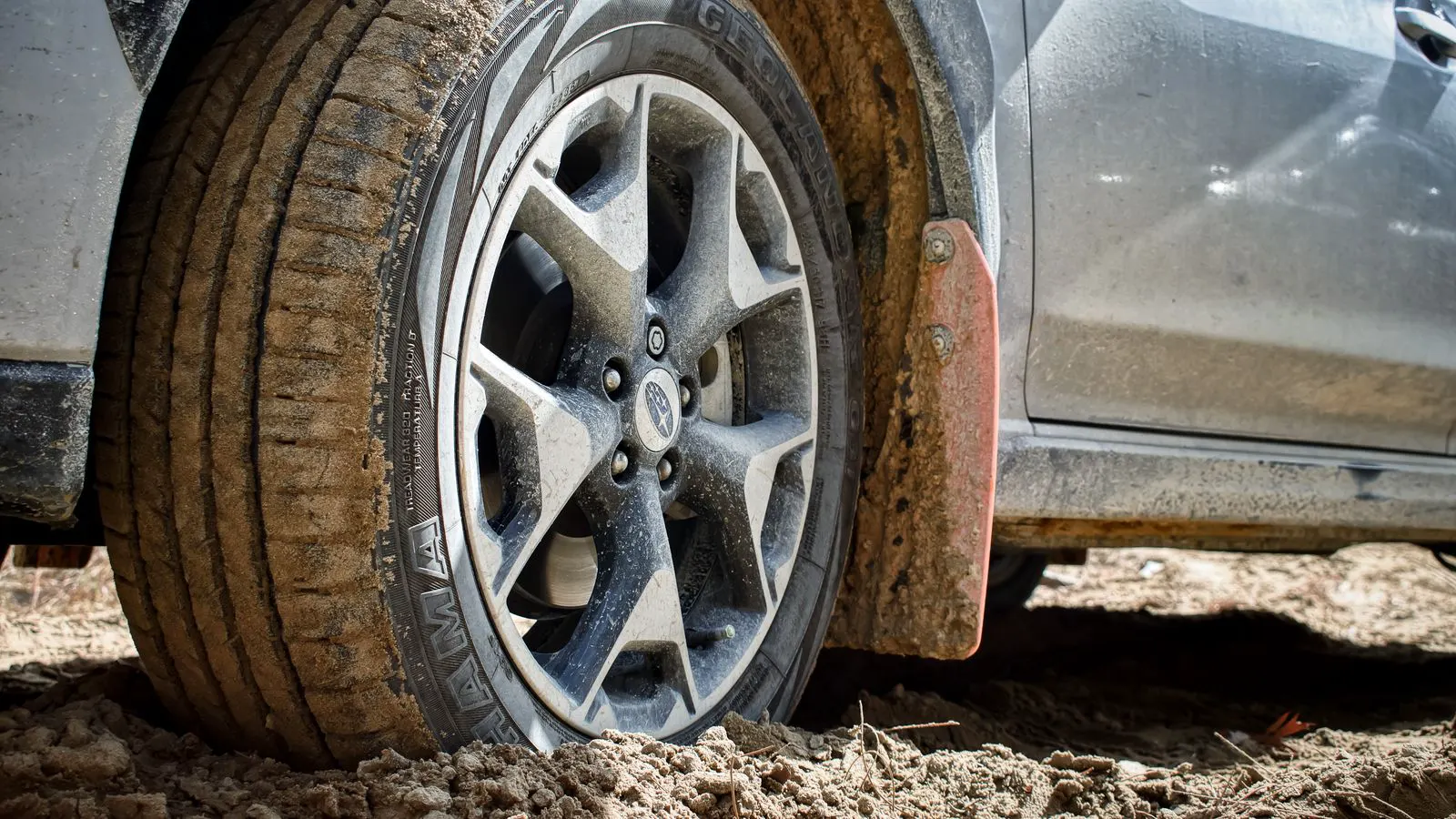
Check the tire location. UTQG is usually printed near the DOT code. It may appear as “Treadwear 600, Traction A, Temperature A” or in a compact format. Some tires display only the letters for traction and temperature without the treadwear number. Always verify the physical label before making a purchase decision.
Step 1: Locate the Treadwear Number
Find the number that follows “Treadwear” or “Tread Wear.” This is the first part of the UTQG triad. The number is a relative index. A tire with a 400 rating will wear roughly 33 percent slower than a tire with a 100 rating. A tire with a 700 rating will wear roughly 40 percent faster than a 100 rating.
Do not convert this number into miles. There is no universal formula. The number depends on the test conditions, the tire compound, the vehicle weight, and the driving style. Treat the number as a comparison tool. If you are replacing a tire with a 300 treadwear rating, a 400 rating will last longer. If you need maximum grip for a performance application, you will likely accept a lower number like 150 or 200.
Step 2: Understand the Traction Grade
Look for the letter that follows “Traction.” This grade measures wet-braking performance. The scale runs from A to D. There is no “B” and no “C” in the traction rating. This is a common point of confusion.
An “A” rating indicates the highest wet-braking performance in the manufacturer’s testing. A “B” rating is below “A” but still within the acceptable range for passenger vehicles. An “C” rating is the lowest. A “D” rating is generally not sold for passenger vehicles in North America. If you see a “C” for traction, the tire may be suitable for light truck or agricultural use, but it will stop significantly farther in wet conditions than an “A” rated tire.
Step 3: Identify the Temperature Grade
Find the letter that follows “Temperature.” This grade measures the tire’s ability to resist heat buildup during normal use. It does not measure maximum operating temperature. It does not tell you if a tire is safe for off-road use. It tells you how the tire handles heat generated during highway driving.
The scale runs from A to C. “A” is the highest resistance to heat buildup. “B” is acceptable. “C” indicates the tire is prone to rapid heat buildup. A “C” temperature rating is generally not recommended for passenger vehicles on highways. It may be acceptable for low-speed applications like farm tractors or small utility vehicles.
Step 4: Compare the Three Ratings Together
A single number or letter gives a partial answer. The full UTQG rating provides a profile. Consider a tire with a 400 treadwear, “A” traction, and “A” temperature rating. This is a balanced highway tire. It will wear slowly, stop well in the rain, and handle sustained heat.
Now consider a tire with a 150 treadwear, “A” traction, and “A” temperature rating. This is a performance or winter-oriented tire. It will wear quickly. The low number is a trade-off for a softer compound that grips better at lower temperatures and in wet conditions. The treadwear number drops because the compound is not designed to last.
Step 5: Match Ratings to the Vehicle Duty Cycle
A sedan driven 10,000 miles a year has different needs than a pickup truck driving 25,000 miles a year. The sedan owner may prioritize a higher treadwear number and “A” traction for a comfortable, long-lasting ride. The truck owner may need a higher temperature rating to handle the added weight and sustained highway speeds.
If you are specifying tires for a delivery fleet that operates in high-temperature urban environments, look for “A” or “B” temperature ratings. If the route is mostly rural and wet, traction grade becomes the priority. If the route is long-distance highway, treadwear and temperature are the main concerns.
Step 6: Check the DOT Code for Age and Origin
The UTQG rating does not tell you when the tire was made. The DOT code does. The last four digits of the DOT code represent the week and year of manufacture. For example, the code “2325” means the tire was made in the 23rd week of 2025.
A new tire with a perfect UTQG rating can still be a problem if it is out of date. Rubber degrades over time. Even if the tread is full, an old tire may have cracked sidewalls or weakened internal structures. Always check the DOT code alongside the UTQG rating.
Step 7: Verify the Rating Against the Manufacturer’s Data Sheet
The sidewall rating is a summary. The manufacturer’s technical data sheet provides the test conditions. It may list the specific compound, the ply construction, and the load range. A “C” temperature rating on a light truck tire means something different than a “C” rating on a passenger sedan tire.
Review the data sheet for the specific application. If the data sheet states the tire is for “light truck” use, do not specify it for a high-performance sedan. The UTQG rating is a guide, not a guarantee. The data sheet is the technical record.
Common Mistakes to Avoid
The most common error is reading the treadwear number as a mileage guarantee. A 600 rating does not mean 60,000 miles. It means it will outlast a 100 rating by a factor of six under test conditions.
Another mistake is ignoring the traction grade. A tire with a 500 treadwear rating and a “C” traction rating is not a good highway tire. It will wear slowly, but it will stop poorly in the rain. The “C” rating is a red flag for wet-weather driving.
Some buyers assume that a higher temperature rating is always better. It is not. A “C” temperature rating is acceptable for a tire that sits in a garage or is used at low speeds. For highway driving, “A” or “B” is the standard.
Final Verification Step
Before you finalize a purchase, perform a side-by-side comparison. Take two tires that meet your basic size requirements. Compare their UTQG ratings. Compare their DOT codes. Compare their load range and speed rating.
Ask the supplier for the test report if available. If the supplier cannot provide it, rely on the sidewall and the data sheet. If the sidewall and data sheet disagree, do not buy the tire. The discrepancy indicates a labeling error or a specification mismatch.
A final check of the physical tire is required. Look for uneven tread wear, bulges, or sidewall damage. A perfect UTQG rating on a damaged tire is meaningless. The physical condition must match the printed specification.
How to Read UTQG Ratings: A Quick Reference Table
| Component | Scale | Meaning | Typical Application |
|---|---|---|---|
| Treadwear | Number (100-800+) | Relative wear rate | Highway, daily driving |
| Traction | A, B, C, D | Wet braking performance | Passenger, light truck |
| Temperature | A, B, C | Heat buildup resistance | Highway, sustained speed |
| DOT Code | Week/Year digits | Manufacturing date | All tires |
| Load Range | A through E | Weight capacity | Light truck, SUV |
| Speed Rating | Letter (H, V, Y) | Max speed | Passenger, sport |
How to Read UTQG Ratings: Step-by-Step Checklist
- Locate the UTQG block on the sidewall.
- Record the treadwear number.
- Record the traction letter.
- Record the temperature letter.
- Check the DOT code for age.
- Compare the rating to the vehicle duty cycle.
- Verify the data sheet matches the sidewall.
Final Thoughts
UTQG ratings are a simple system that hides a lot of technical detail. The treadwear number is a relative index, not a mileage promise. The traction grade is a wet-braking indicator, not a dry-grip score. The temperature grade is a heat-resistance measure, not a maximum operating limit.
Read the three parts together. Match them to the vehicle. Check the DOT code. Verify the data sheet. This process takes less than two minutes. It prevents costly mistakes in fleet and vehicle selection.
Frequently asked questions
What does a treadwear rating of 100 mean?
It is the baseline index. A tire with a 200 rating will wear about 50 percent slower than a 100 rating. It is a relative measure, not a mileage figure.
Is there a "B" traction grade?
No. The traction scale uses A, C, and D. There is no B. This is a standard format used in the Uniform Tire Quality Grade system.
Can I use a tire with a "C" temperature rating for highway driving?
Generally, no. A "C" rating indicates rapid heat buildup. It is acceptable for low-speed or short-distance use, but not for sustained highway speeds.
Does UTQG apply to winter tires?
It can. Some winter tires carry UTQG ratings. However, they are designed for cold conditions. A "C" traction rating is common on winter tires because they prioritize grip in snow and ice over wet-braking performance.
Where is the UTQG rating located on the tire?
It is printed on the sidewall, usually near the DOT code. It may be labeled as "Treadwear," "Traction," and "Temperature" or shown in a compact format.