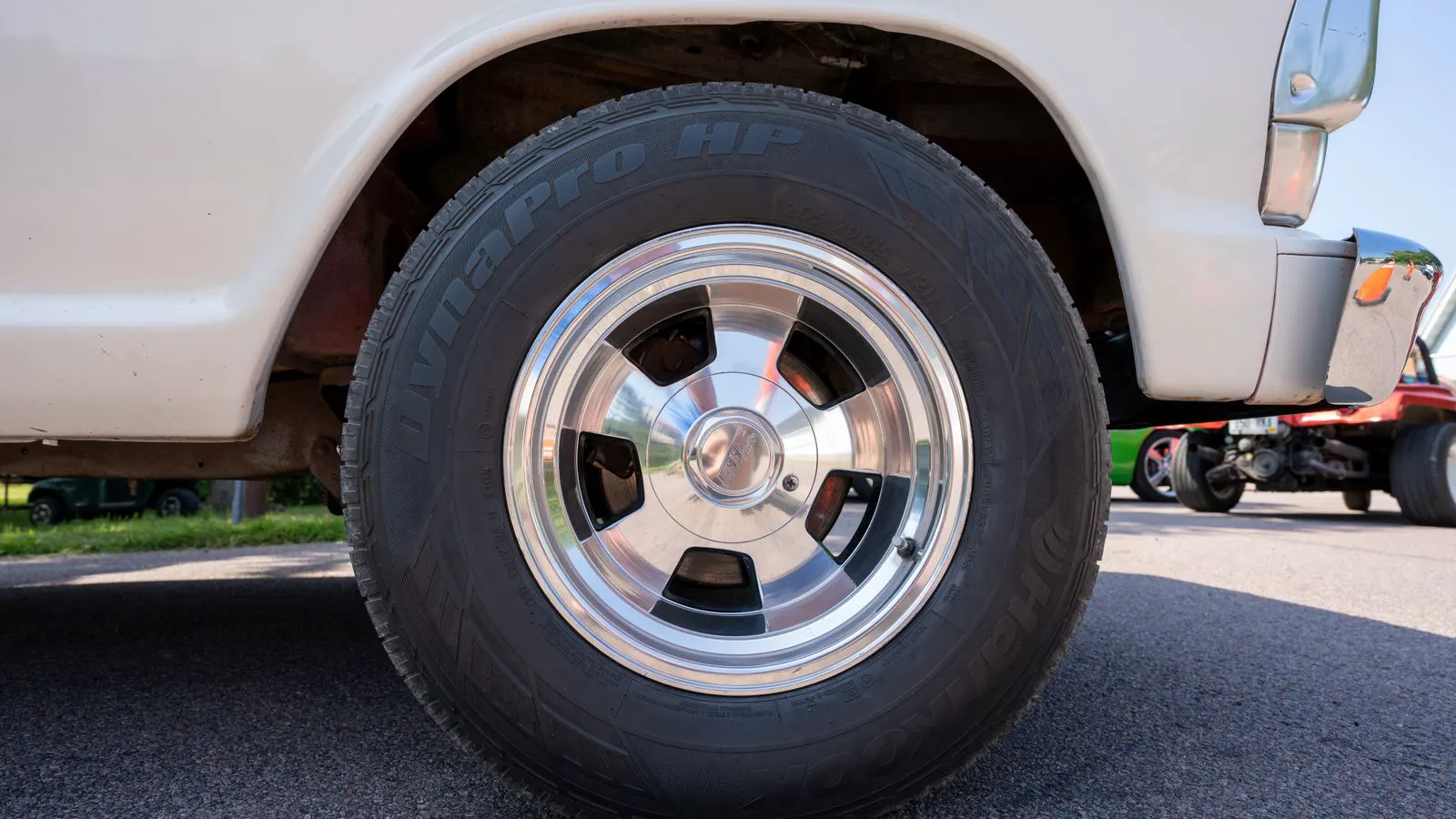
Rim tolerance standards differ because passenger wheels prioritize low-speed comfort and precise fitment, while commercial wheels focus on load integrity and durability. Wheel dimensional accuracy and tire mounting tolerances shift based on axle load, speed rating, and material choice.
- Passenger rim tolerance standards emphasize flatness and runout to reduce vibration and noise at lower loads.
- Commercial wheel dimensional accuracy priorities shift toward structural integrity under high axle loads.
- Tire mounting tolerances must align with wheel material, whether cast, forged, or stamped.
- Fleet managers should match wheel precision to tire speed ratings and service conditions.
- Regular inspection of wheel geometry prevents premature tire wear and mounting failures.
Why Rim Tolerance Standards Differ by Vehicle Class
The distinction between passenger and commercial wheel applications begins with the load on the axle. A passenger sedan carries a few hundred kilograms per wheel, while a heavy truck may push several tonnes. This difference changes what engineers measure and how tightly they hold the specifications. Passenger wheels often face tighter dimensional limits because even small deviations cause noticeable vibration or uneven tire wear. Commercial wheels tolerate slightly looser dimensional play in some areas but demand stricter control over structural deformation.
What Measures Define Wheel Dimensional Accuracy
Wheel dimensional accuracy covers multiple parameters. Runout measures the deviation of the wheel rim surface from a perfect circle. Flatness checks how much the seating surface bows inward or outward. Bead seat diameter must match the tire specification to keep the tire seated correctly. Rim width controls the tire cross-section. Each parameter has a specific impact on tire performance.
Passenger wheels usually require tighter runout limits. A small out-of-round condition creates a periodic force that travels through the suspension. On a light vehicle, the driver feels this as a shake at highway speeds. Commercial wheels often prioritize flatness and bead seat consistency. If the seating surface is warped, the tire may not sit evenly under load. This leads to edge wear, air leakage, or a bead lock failure during a hard turn.
How Tire Mounting Tolerances Affect Service Life
Tire mounting tolerances depend on the interface between the tire and the wheel. The bead must lock securely against the bead seat. If the wheel dimension is off, the tire sits at an angle. This changes the contact patch. The tire may wear on one shoulder or develop a flat spot.
Passenger tires often use a standard bead lock design. The tire bead presses against a smooth, flat rim edge. The tolerance for this surface is tight. Commercial tires, especially those used in heavy freight or off-road applications, may use reinforced beads or different mounting systems. The wheel must handle higher pressure differentials without shifting the bead. This changes the required dimensional accuracy.
Comparison of Rim Tolerance Standards
The table below compares the main approaches to rim tolerance standards across vehicle classes and materials.
| Option | Best for | Limitations |
|---|---|---|
| Tight dimensional control | Passenger cars, light SUVs, premium comfort applications | Higher material waste and longer machining time |
| Structural focus | Heavy commercial trucks, buses, off-road vehicles | May allow higher runout, leading to vibration |
| Cast alloy standard | Light commercial vans, mid-size trucks | Heavier than forged, requires strict quality checks |
| Forged steel standard | High-load commercial, racing, performance fleets | High cost and complex tooling |
| Stamped steel standard | Passenger cars, economy commercial fleets | Limited design flexibility, lower strength |
When to Choose Tighter Passenger Tolerance Standards
Passenger wheels benefit from tighter tolerance standards when the goal is ride comfort and tire life. If the wheel has a runout that exceeds the limit, the tire may not rotate evenly. This creates a hum or vibration. It also accelerates wear on the tire tread. Manufacturers often use CNC machining to hold these tight tolerances. The process removes material from the rim face and bead area.
Forged wheels often achieve tighter tolerances than cast wheels. Forging compresses the metal grain, making the material stronger. It also allows for more precise shaping. However, forged wheels are expensive. They are common in performance passenger cars and light commercial vehicles where weight and handling matter.
Stamped steel wheels are the standard for many passenger cars. They are light and cheap. The tolerance control is good, but the material is less flexible than cast or forged options. If a stamped wheel gets dented, the tolerance is gone. The wheel may need replacement.
When Commercial Tolerance Standards Take Precedence
Commercial wheels operate under different stress. The axle load is higher. The speed may be lower, but the duration of load is longer. A truck wheel carries the same load for thousands of miles. The material must not deform over time.
Commercial wheels often use cast or forged steel. Cast steel is strong and cheap enough for heavy use. Forged steel is stronger and lighter but costs more. The tolerance standards for these wheels focus on the bead seat and the structural integrity of the rim spoke area.
If a commercial wheel has a high runout, the tire may still work, but it will wear unevenly. This is expensive for a fleet. A fleet manager cares about cost per mile. A slightly looser tolerance on the rim face may be acceptable if the bead seat is perfect. The tire stays seated. The load transfers evenly to the ground.
How Material Choice Changes Tolerance Requirements
Material choice directly impacts the tolerance standards. Steel is tough and elastic. It can absorb some impact without breaking. Aluminum is lighter but less tough. It is used in passenger cars and light commercial vehicles.
Cast aluminum wheels are common in passenger cars. They are cheaper than forged aluminum. They may have slightly looser tolerance on the rim face, but the bead seat must be precise. Forged aluminum wheels are common in sport cars and performance vehicles. They hold tighter tolerances and are lighter.
For commercial trucks, aluminum is less common on heavy loads. Steel is the standard. The tolerance standards for steel wheels account for thermal expansion. The wheel heats up under braking and friction. The metal expands. The tire bead must remain seated during this expansion. The dimensional accuracy must account for this change.
Practical Checks for Fleet and Buyer Applications
Buyers and engineers need to verify that the wheels meet the required standards. This involves checking the documentation and the physical parts.
- Review the manufacturer’s certificate of conformity for each wheel lot.
- Measure the bead seat diameter with a calibrated micrometer.
- Check the runout using a dial indicator at the mounting surface.
- Inspect the rim face for flatness and surface defects.
- Confirm the bolt pattern and center bore match the vehicle specification.
- Test a sample of wheels for load integrity if the application is high-risk.
These checks help ensure that the wheel dimensional accuracy meets the application needs. They also verify that the tire mounting tolerances are within limits.
Common Mistakes in Wheel Selection
A common mistake is choosing a wheel based on price alone. A cheap wheel may have loose tolerance standards. This leads to tire wear, vibration, or safety issues. Another mistake is ignoring the axle load. A wheel designed for a light vehicle may not handle the load of a commercial van.
Fleet managers should also consider the tire speed rating. A wheel with high runout may be fine for a low-speed tire but dangerous for a high-speed tire. The higher the speed, the tighter the tolerance must be.
Material defects are another issue. Porosity in cast wheels can weaken the structure. Inclusion in forged steel can create stress points. These defects are not always visible. They require X-ray or ultrasonic testing in some applications.
Final Thoughts on Matching Tolerance to Application
Rim tolerance standards are not one-size-fits-all. Passenger wheels need tight dimensional accuracy for comfort and tire life. Commercial wheels need structural integrity for heavy loads. The best choice depends on the vehicle, the tire, and the service conditions.
By understanding the differences in tolerance standards, buyers can make informed decisions. They can match the wheel to the application. They can avoid costly tire replacements and safety risks. The goal is a wheel that performs reliably over its service life.
Frequently asked questions
What is the primary difference in rim tolerance standards between passenger and commercial wheels?
Passenger wheels prioritize tight runout and flatness for comfort and tire life. Commercial wheels focus on structural integrity and bead seat consistency under heavy loads.
How does wheel dimensional accuracy affect tire mounting tolerances?
Precise wheel dimensions ensure the tire bead seats evenly. Poor dimensional accuracy can cause uneven tire wear, air leakage, or mounting failures.
Which material is best for high-load commercial wheels?
Cast and forged steel are standard for high-load commercial applications. They offer the strength and durability needed for heavy axle loads.
Do stamped steel wheels meet the same tolerance standards as forged wheels?
Stamped steel wheels generally have looser tolerance standards than forged wheels due to manufacturing process and material properties.
How often should fleet wheels be inspected for tolerance drift?
Inspections should follow the fleet maintenance schedule and manufacturer recommendations. Regular checks help detect wear and damage early.