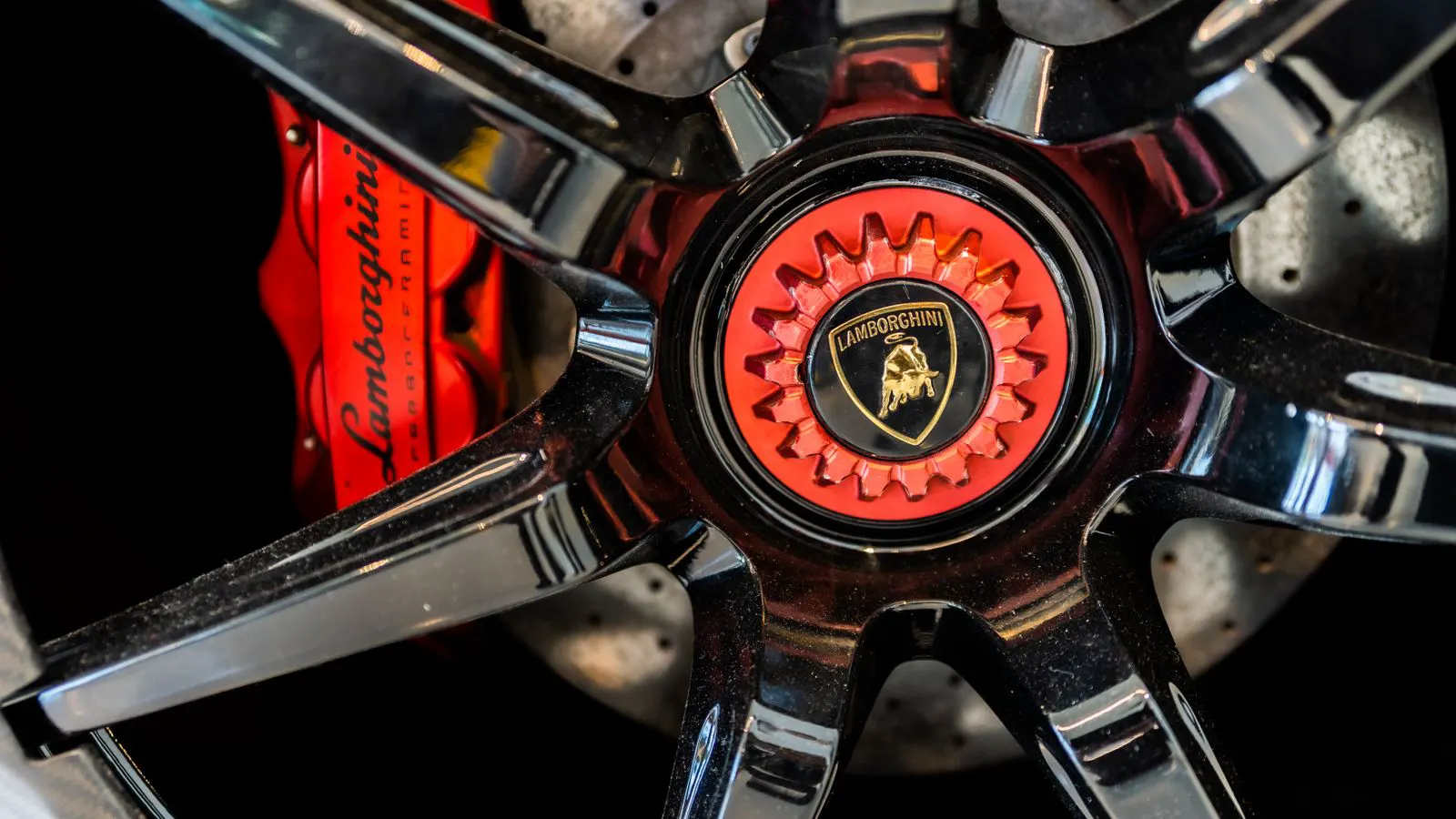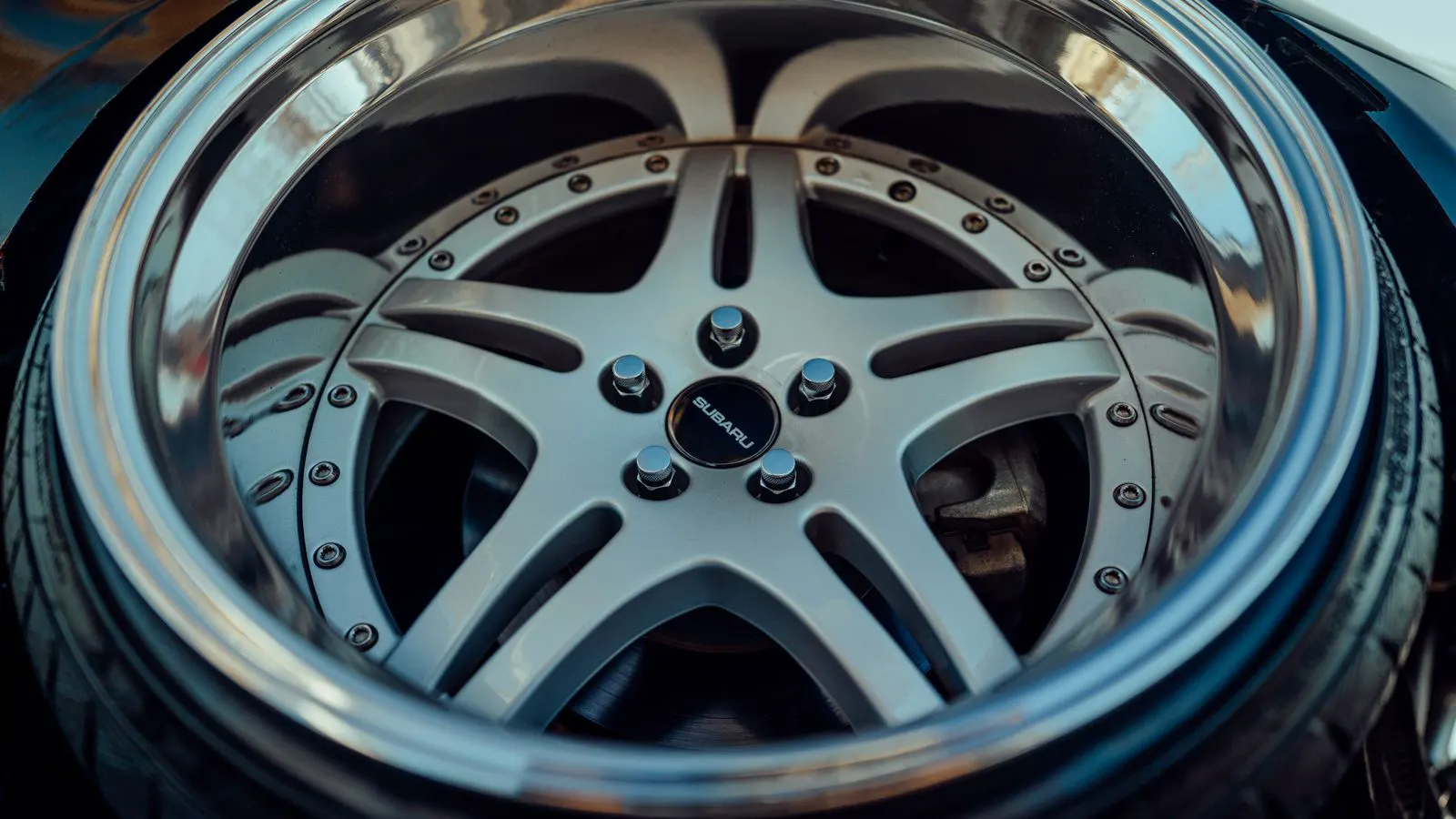
Lightweight rim materials reduce unsprung mass, improving EV fleet efficiency and tire life. Buyers should plan for material shifts, testing protocols, and supplier diversification. These changes affect procurement, maintenance, and total cost of ownership for electric fleets.
- Lightweight rim materials reduce unsprung mass, which improves EV range and reduces tire wear
- Buyers must update test protocols to verify new materials meet safety and load requirements
- Material shifts affect procurement lead times, supplier relationships, and long-term maintenance costs
- Mixed material fleets require updated inspection checklists to cover different alloy compositions
Why Unsprung Mass Matters More for Electric Fleets
Electric vehicles convert mechanical energy directly into motion. Every kilogram of rotating mass demands more power to accelerate and more braking energy to stop. Rims are part of that rotating assembly. Reducing rim weight reduces the energy lost to inertia during every stop and start in a fleet cycle.
This is not a theoretical benefit. Fleet operators manage thousands of short trips, frequent stops, and variable loads. A lighter rim changes how the drivetrain responds. It can extend range between charges and reduce the thermal load on brake systems. For electric delivery fleets running dense urban routes, these effects compound over millions of kilometers.
The shift in material science is accelerating. Cast aluminum remains the baseline for many production wheels. Forged aluminum, high-strength cast alloys, and hybrid structures are moving from premium passenger applications into commercial and fleet segments. The procurement question is no longer whether to adopt lighter materials, but how to manage the transition without disrupting supply chains or safety standards.
Five Material Shifts Buyers Should Plan For
Fleet buyers who wait for vendor brochures to catch up will miss cost and availability advantages. The following shifts are already visible in the supplier market and require planning.
-
High-strength cast alloys replacing standard castings. Suppliers are developing cast alloys with higher yield strengths. These allow thinner walls and lighter parts without sacrificing load capacity. The benefit is a modest weight reduction with minimal manufacturing changes. The risk is that older inspection methods may not detect microstructural defects in the new alloys.
-
Forged aluminum entering fleet price bands. Forging produces finer grain structures and higher strength-to-weight ratios. Historically, forged wheels carried a premium that excluded them from fleet procurement. As casting volumes shift and forging capacity expands, the price gap is narrowing. Fleets can now evaluate forged rims for high-mileage applications where tire wear reduction justifies the upfront cost.
-
Hybrid and multi-material construction. Some manufacturers are combining forged hubs with cast spokes, or using different alloys for load-bearing versus aesthetic sections. This approach targets specific stress points. The procurement challenge is that each hybrid design behaves differently under fatigue loading. Generic replacement part numbers no longer work.
-
Thermal management integration. Lightweight rims often run warmer in high-torque applications. Suppliers are adding features such as thicker brake hat sections or modified spoke profiles to manage heat. These features change the wheel’s thermal mass and affect how brake components behave. Fleet maintenance teams need to understand the difference between a standard alloy wheel and a thermally optimized version.
-
Recycled and low-carbon alloy sourcing. Environmental procurement requirements are pushing suppliers toward higher recycled content in aluminum alloys. The mechanical properties remain comparable, but certification documentation is now part of the bid package. Buyers must factor audit time and document verification into their supplier evaluation process.
How Alloy Rim Trends Affect Fleet Efficiency
Lightweight rim materials do not operate in isolation. They interact with tire selection, vehicle calibration, and charging infrastructure. Fleet operators should evaluate the system, not just the part.
Tire life improves when unsprung mass decreases. The tire flexes less against road irregularities, and the sidewall experiences fewer impact cycles. For a fleet of two thousand vehicles, even a modest increase in tire service life reduces replacement frequency and disposal costs.
Range extension is another direct benefit. Electric fleets calculate energy per kilometer with precision. A lighter rotating assembly reduces the energy required for acceleration. In urban delivery routes with frequent stops, this energy savings becomes significant over the fleet cycle.
Brake wear also changes. Lighter rims reduce the kinetic energy that must be dissipated during braking. Brake pads and rotors experience lower thermal loads. This can extend brake component life, though the effect depends on vehicle weight and driving style.
The table below summarizes the primary efficiency interactions for fleet procurement teams.
| Interaction Factor | Effect of Lighter Rim Materials | Procurement Consideration |
|---|---|---|
| Tire service life | Reduced sidewall impact cycles, longer tread life | Update tire replacement intervals in maintenance schedules |
| Energy consumption | Lower acceleration energy demand, improved range | Recalculate energy per kilometer for route planning |
| Brake thermal load | Reduced kinetic energy dissipation, lower pad wear | Adjust brake inspection frequency based on material changes |
| Vehicle calibration | Changes in rotating mass may affect suspension tuning | Review vehicle manufacturer specifications for load limits |
| Corrosion behavior | Different alloy compositions may age differently | Update corrosion inspection checklists for mixed materials |
Procurement Risks When Adopting New Rim Materials
The transition to lightweight rim materials introduces risks that traditional cast aluminum procurement did not require. Buyers must address these before signing long-term supply agreements.
Supplier concentration is a primary concern. Forged and high-strength alloy wheels often require specialized manufacturing equipment. If a fleet relies on a single forging supplier, a production disruption can halt fleet maintenance. Diversifying across at least two qualified suppliers is a standard practice, but it becomes harder when the material is newer to the market.
Certification complexity increases. New alloy compositions require updated testing for impact resistance, fatigue life, and weld integrity. The certification documents are longer and more technical. Procurement teams need engineers who can review test protocols, not just purchase orders.
Lead times vary by material. Cast aluminum has a mature supply chain with predictable delivery windows. Forged aluminum and hybrid constructions may have longer lead times due to smaller production batches. Fleets must build buffer stock for critical parts or negotiate flexible delivery terms.
The following numbered list outlines the minimum steps for managing these risks during a material transition.
- Map all current wheel specifications to new material options and identify compatibility gaps
- Qualify at least two suppliers for each new material or construction type
- Update internal test protocols to include fatigue and impact testing for the new alloys
- Revise maintenance checklists to cover inspection of hybrid and multi-material wheels
- Negotiate supply agreements that account for longer lead times and smaller batch sizes
- Train fleet technicians on identifying material-specific wear patterns and corrosion behavior
Preparation Steps for Fleet Procurement Teams
Preparing for lightweight rim materials requires a shift in how procurement teams evaluate vendors and manage inventory. The following actions should begin before any fleet-wide material change.
Audit existing wheel inventory. Catalog every rim model, alloy composition, and service history. This baseline is needed to compare new material performance against current standards. It also identifies which vehicles can accept lighter alternatives without affecting vehicle alignment or clearance.
Define performance thresholds. Set measurable targets for tire life, energy per kilometer, and brake wear. These thresholds guide supplier negotiations and post-installation validation. Without clear targets, efficiency claims from material suppliers cannot be verified against fleet reality.
Pilot on a controlled subset. Deploy new lightweight rims on a small fleet segment with consistent routes and loads. Track performance over a defined period. Compare tire wear, brake pad consumption, and energy usage against the control group. This data supports a phased rollout and identifies unexpected issues.
Update supplier contracts. Include specifications for alloy composition, heat treatment processes, and quality documentation. Require suppliers to provide material certificates and test reports for each production lot. This creates an audit trail that supports long-term fleet safety and warranty claims.
Train maintenance staff. Technicians need to understand how different alloys behave during normal service. Corrosion patterns, crack initiation points, and wear indicators vary by material. A short training session with visual examples reduces the risk of missed defects during routine inspections.
Long-Term Fleet Strategy for Material Transitions
Fleet operators who treat wheel materials as static parts will fall behind. The material market is moving toward lighter, stronger, and more sustainable alloys. The strategic advantage comes from planning for this shift rather than reacting to it.
Material transitions are not one-time events. They occur in phases. A fleet may start with high-strength castings, move to forged aluminum for high-mileage vehicles, and later incorporate hybrid or low-carbon alloys as costs and availability improve. Each phase requires updated procurement, maintenance, and training processes.
The total cost of ownership model must expand. Traditional fleet models focus on purchase price, tire cost, and labor. Lightweight rim materials introduce additional variables: certification costs, pilot testing, supplier diversification, and updated maintenance procedures. These costs are real and should be included in the business case for material changes.
Fleet operators who build these processes early gain a measurable advantage. They can standardize on proven materials, reduce downtime from unqualified parts, and maintain safety compliance across mixed-material fleets. The wheel is a small part of the vehicle, but its material choice has a long reach through the entire fleet operation.
Frequently asked questions
Do lightweight rim materials require different tire specifications for EV fleets?
Not always, but lighter rims can change tire behavior due to reduced unsprung mass. Fleet buyers should verify with the vehicle manufacturer that the tire-load combination remains within the rated limits for the specific wheel model.
How do I know if a new alloy rim is safe for my fleet?
Request material certificates, impact test results, and fatigue life data from the supplier. Cross-reference these documents against your fleet's typical load and service conditions. A pilot deployment on a small vehicle subset helps confirm real-world performance before a full rollout.
Will lightweight rims increase my tire replacement costs?
In most cases, they reduce tire replacement costs by lowering sidewall impact and extending tread life. However, the effect depends on tire selection and driving conditions. A controlled pilot test on your specific routes will provide a clearer answer than generic supplier claims.
Are forged alloy rims worth the premium for fleet applications?
For high-mileage electric fleets where tire and brake wear are significant, forged rims can justify the higher upfront cost through extended service intervals. For lower-mileage or mixed-use vehicles, high-strength cast alloys may offer a better cost balance.
How should I handle mixed-material fleets during a transition period?
Update maintenance checklists to cover inspection criteria for each material type. Train technicians to identify material-specific wear and corrosion patterns. Maintain a parts inventory that accounts for lead times and batch sizes for each alloy composition.