Tread patterns control how a tire moves debris, grips surface, and handles load. This guide breaks down open, closed, and hybrid designs to help buyers match tread design to specific off-road traction needs.
- Open tread blocks shed mud and rock debris, improving grip in wet and loose conditions.
- Closed and interlocking patterns offer stability on hard, uneven surfaces like rock and packed dirt.
- Hybrid designs balance self-cleaning with shoulder stability for mixed terrain operations.
- Match the tread design to the dominant surface type in the fleet route to reduce wear and downtime.
- Check lug depth and shoulder structure during inspection to verify the pattern is still effective.
How Tread Design Controls Traction
Tread design is the surface interface between the tire and the ground. It determines how much grip the tire has, how easily it sheds debris, and how it handles load. Buyers often focus on sidewall material or size, but the tread pattern dictates day-to-day performance. A pattern that works on a compacted service road may fail on a soft mud pit. The choice between open, closed, and hybrid designs depends on the specific off-road traction requirement of the operating route.
What Is Off-Road Traction?
Off-road traction is the ability of a tire to move a vehicle without slipping. It depends on three factors: surface grip, debris clearance, and load distribution. When a tire enters mud, the tread must push the material out from behind the lugs. If the design does not clear that material, the tire loses grip and the vehicle stalls. On rock, the tread must lock into edges and prevent the tire from sliding sideways. Sand requires a different approach. The tire must create a firm footprint without digging too deep. Each surface demands a different tread structure.
Open Tread Patterns for Mud and Loose Soil
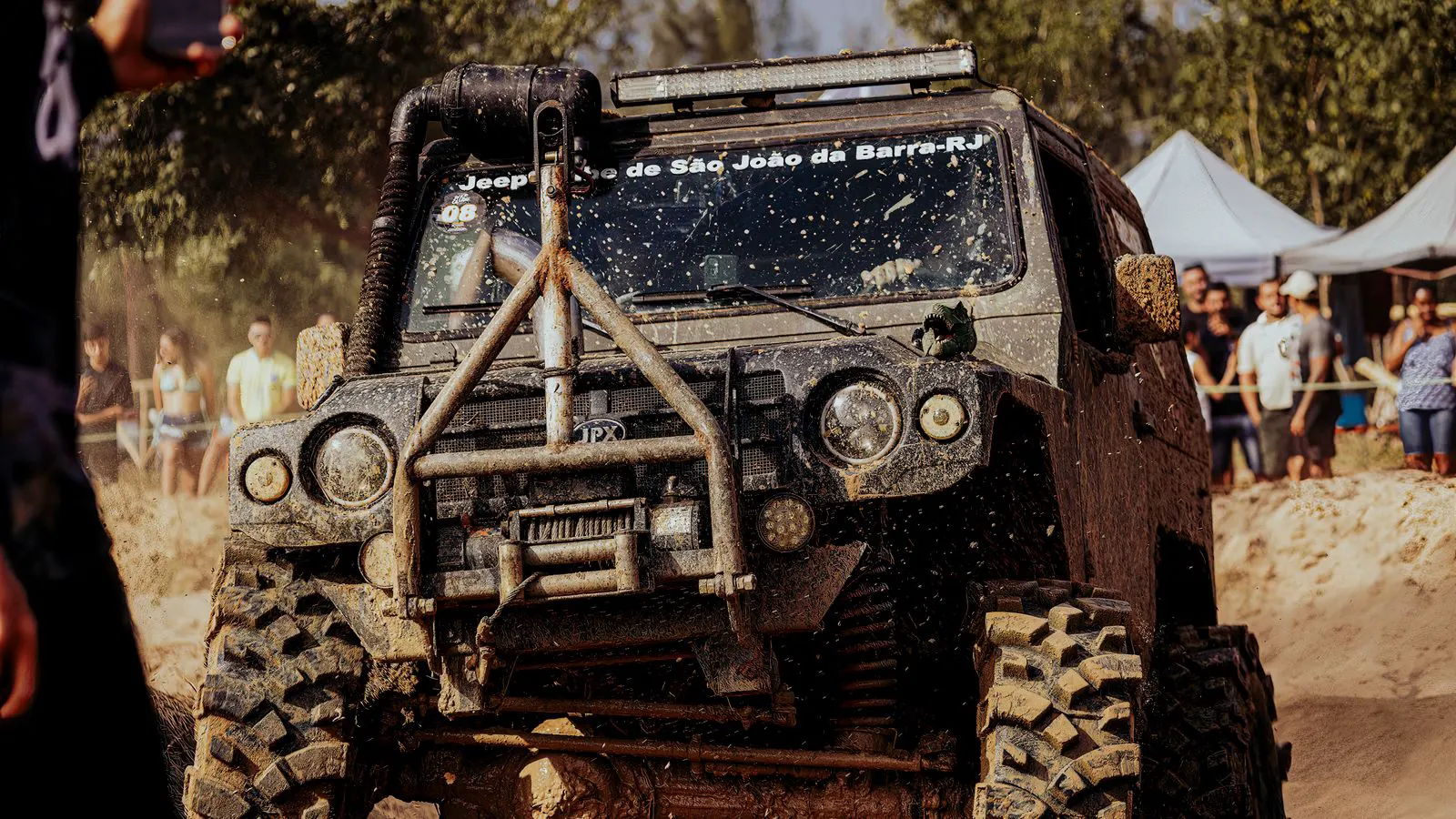
Open tread patterns use deep, widely spaced lugs. The gaps between the lugs act as channels for debris. This design is built for soft, wet, or highly variable surfaces. The deep voids allow mud and loose soil to escape, keeping the tread lugs exposed to the ground. This improves off-road traction in conditions where a closed pattern would quickly clog and lose grip. The trade-off is reduced shoulder stability. On hard, uneven surfaces, the wide gaps can allow the tire to flex and slide. The lugs also wear faster because they bear more load. For a fleet operating mostly in mud or soft earth, an open pattern is the standard choice.
Closed and Interlocking Patterns for Hard Terrain
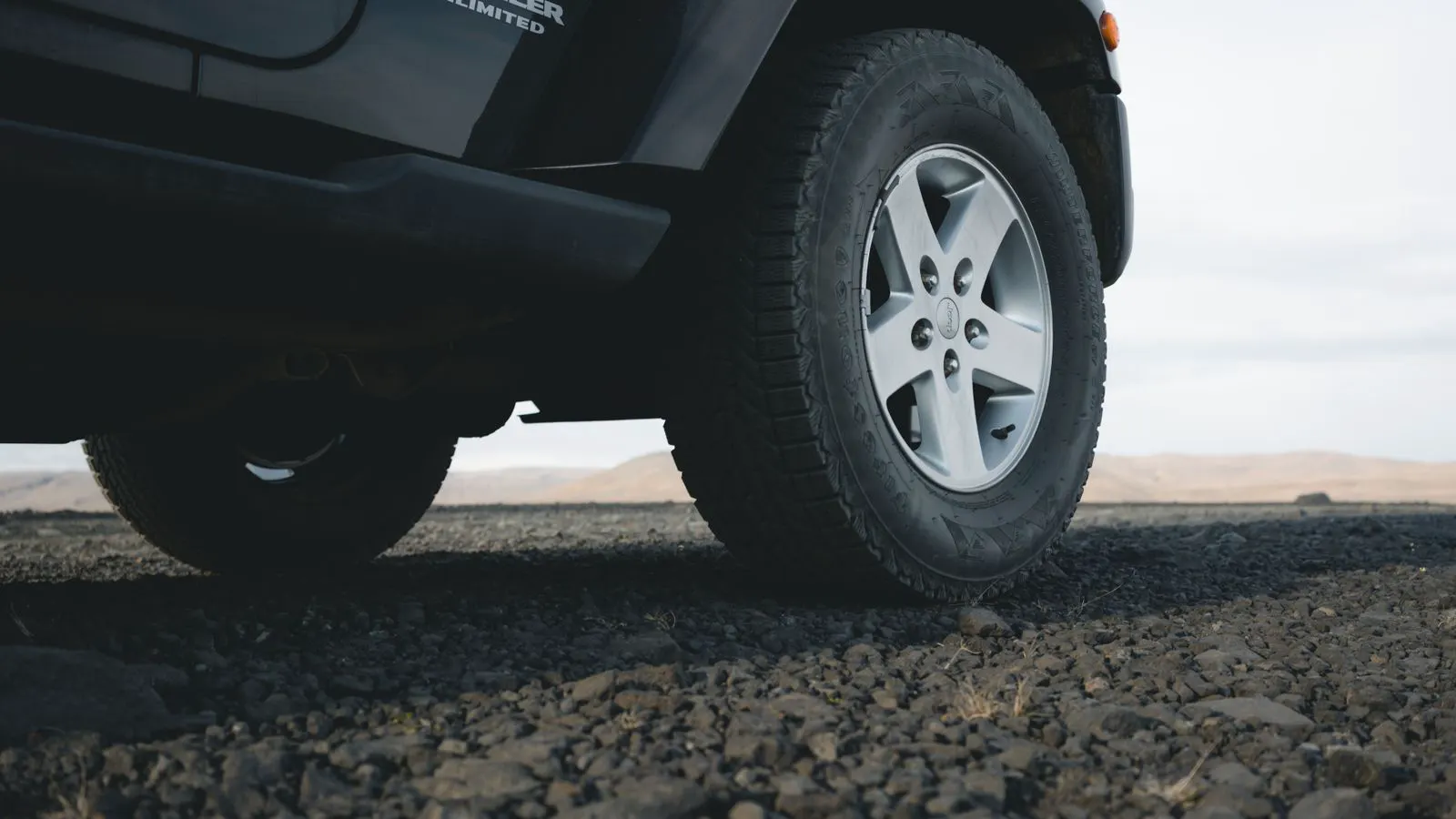
Closed tread patterns have lugs that are close together. Some designs use interlocking blocks that wrap around the tread. This structure creates a continuous contact patch on hard surfaces. On rock, the interlocking blocks can lock into small crevices. The closed design also supports the shoulder, which helps the tire resist lateral movement on steep or uneven ground. This is useful for heavy machinery that carries a large load over a compacted gravel or rock route. The main drawback is debris retention. In wet conditions or soft soil, a closed pattern can fill with material and lose its grip. The tread may look clogged and the vehicle may slip. This design suits routes with hard, packed, or rocky surfaces.
Hybrid and Aggressive Patterns for Mixed Use
Many off-road routes are mixed. A fleet may travel on packed dirt, cross a soft patch, and then reach a rocky section. Hybrid tread patterns attempt to balance the strengths of open and closed designs. They often use a center block with aggressive, interlocking lugs for stability, and wider spacing toward the shoulders for debris clearance. This allows the tire to maintain grip on the hard center while shedding material from the outer edges. Aggressive patterns push this balance further. They use tall, sharp-edged lugs that cut into soft material and lock into rock. These patterns work well in mixed conditions but wear faster. The sharp edges can chip if the tire hits hard rock or metal. The buyer must weigh the traction benefit against the expected service life.
Tread Depth and Lug Structure
The physical shape of the tread matters as much as the pattern layout. Tread depth is the distance from the top of the lugs to the base of the tread. Deeper treads provide more grip in loose material. They also have more room to hold debris, which can be a problem. As the tire wears, the tread depth decreases. When the depth drops too low, the pattern loses its ability to shed mud or lock into rock. The lug shape also matters. Rounded lugs tend to wear evenly and provide a smooth ride. Sharp-edged lugs cut into soft material and grip rock, but they chip. A buyer should check the lug structure during sourcing. A tire with a worn or chipped lug edge will not perform the same as a new tire, even if the tread depth looks acceptable.
Matching Tread Design to Fleet Routes
Sourcing decisions should start with the dominant surface type. If the fleet operates mostly on mud or soft earth, an open tread pattern is the primary choice. If the route is hard rock or packed gravel, a closed or interlocking pattern offers better stability. For mixed routes, a hybrid or aggressive pattern is the standard approach. The table below shows how different tread patterns perform across common off-road surfaces.
| Tread Pattern | Mud | Rock | Sand | Hard Dirt | Primary Use |
|---|---|---|---|---|---|
| Open | High | Low | Medium | Medium | Soft, wet, loose surfaces |
| Closed | Low | High | Low | High | Hard, packed, rocky routes |
| Hybrid | Medium | Medium | Medium | Medium | Mixed terrain operations |
| Aggressive | High | High | Medium | Medium | Challenging, varied terrain |
The table is a general guide. Specific tire construction, load rating, and inflation pressure also affect performance. A closed pattern with proper inflation can handle light mud. An open pattern with low pressure can grip rock. The pattern is the starting point, not the only factor.
Practical Inspection and Sourcing Checks
When sourcing off-road tires, inspect the tread before accepting the shipment. Look for consistent lug depth across the entire tread. Check for missing or chipped lugs, especially on the shoulders. Verify that the tread voids are clean and not filled with old debris. A clogged tread will not perform as designed. The buyer should also check the sidewall for cuts or abrasion. A tire with a damaged sidewall may fail under load, regardless of the tread design. For heavy machinery, match the tire size and load rating to the machine. A tread pattern that is perfect for a light truck may not work on a loaded excavator. The weight changes how the tread interacts with the ground.
A Worked Example in Plain Words
Consider a fleet of compact track loaders operating in a construction site. The site has a mix of soft mud, packed dirt, and rocky ground. The previous tires were a closed pattern designed for hard surfaces. In the mud, the tires quickly filled with material and the loaders stalled. The operators had to clear the treads by hand. The switch was to an aggressive hybrid pattern. The center blocks locked into the packed dirt and rock. The wider gaps in the shoulders shed the mud. The loaders moved through the mud without stalling. On the rock, the center blocks provided the necessary grip. The tires wore faster than the closed pattern, but the uptime increased. The fleet reduced downtime and operator labor. This example shows how a specific tread design change can solve a practical problem.
Common Mistakes in Tread Selection
Buyers often make a few common errors. The first is choosing a tread pattern based only on appearance. A tire with tall lugs looks aggressive, but the pattern may not shed mud. The second mistake is ignoring the surface type. A closed pattern on a mud route will fail. A third error is not checking the tread depth. A worn tire with a good pattern will not perform well. The final mistake is not considering load. A tire that works on a light vehicle may slip on a heavily loaded machine. The buyer must match the tread design to the actual operating conditions and load.
Final Thoughts on Tread Patterns
The tread pattern is the primary tool for off-road traction. It controls how the tire moves debris, grips the surface, and handles load. Open patterns shed mud. Closed patterns grip rock. Hybrid patterns balance both. The buyer must look at the route, the load, and the surface type. The physical structure of the tread matters as much as the layout. A well-chosen tread pattern reduces downtime and increases safety. A poor choice leads to slipping, wear, and extra maintenance. The decision is practical and direct. Match the tread design to the job.
Frequently asked questions
What is the main difference between an open and a closed tread pattern?
An open pattern has wide gaps that shed mud and loose debris. A closed pattern has lugs that are close together, which offers better stability on hard and rocky surfaces.
How do I know if a tire tread is clogged?
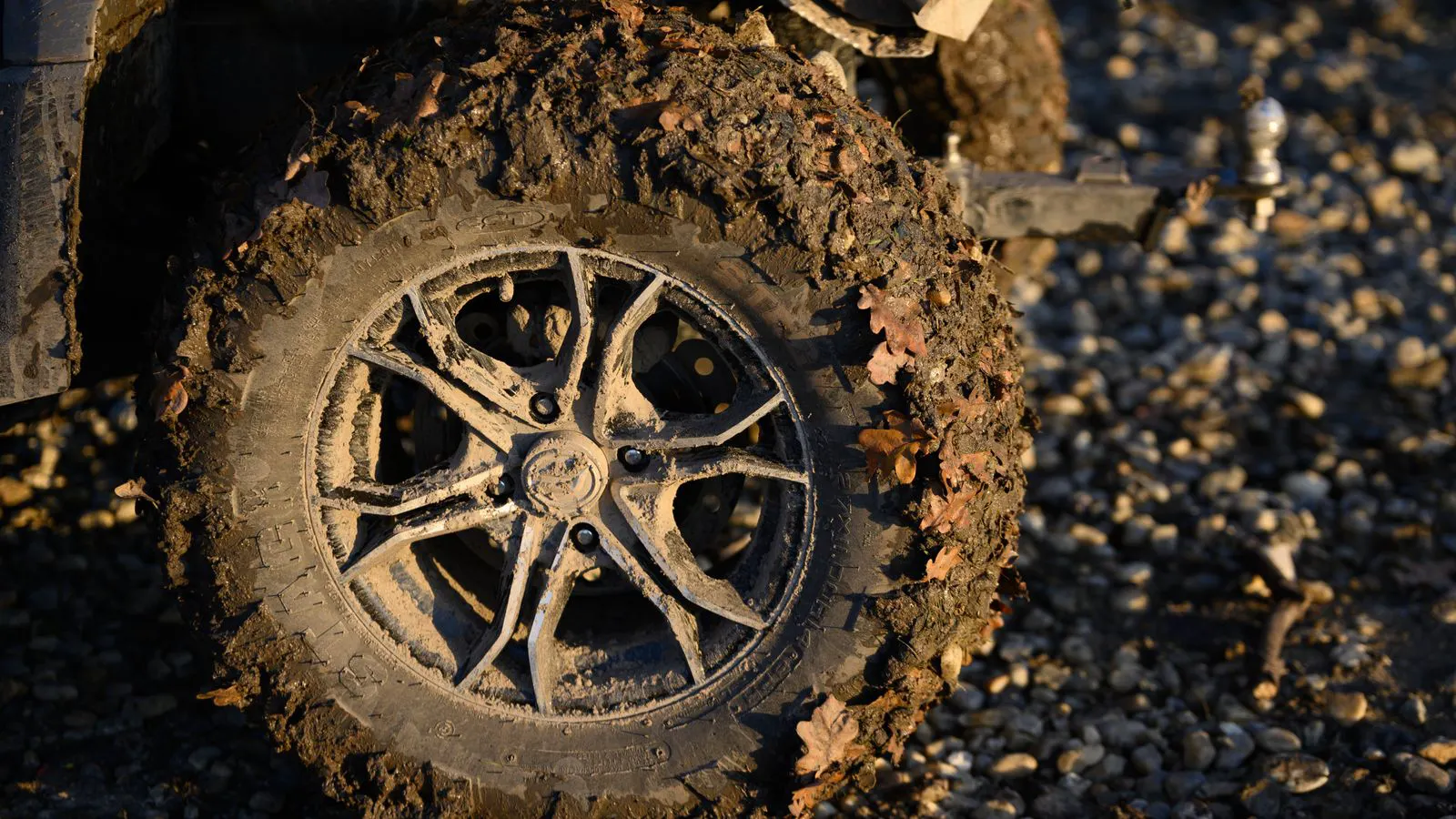
Look at the tread voids. If mud or soil is packed into the gaps between the lugs, the tread is clogged. The lugs are not touching the ground, so traction is reduced.
Does tread depth affect traction in rock?
Yes. As the tread wears, the lugs become shorter and less effective at locking into rock edges. A deep tread provides more grip, but it wears faster.
Can a single tread pattern work for all off-road conditions?
No single pattern works perfectly for all conditions. Open patterns fail on rock. Closed patterns clog in mud. Hybrid patterns offer a balance for mixed routes.
What should I check before buying off-road tires?
Check the tread depth, lug structure, and pattern type. Match the design to the dominant surface type on the route. Inspect the sidewall for damage and verify the load rating.