Select off-road tires by matching casing, tread, and compound to specific operating loads, terrain, and duty cycles. A structured framework helps engineers avoid mismatches that shorten tire life or reduce machine performance.
- Match casing construction and bead design to the machine's operating pressure and rim type.
- Align tread pattern and shoulder design to the dominant terrain and operating direction.
- Review service life, not just initial cost, when comparing commercial off-road options.
- Confirm the tire's load rating covers peak and average operating conditions.
- Document operating parameters before finalizing a fleet specification.
What determines the right off-road tire for heavy equipment
Choosing the correct off-road tire for heavy machinery requires matching three variables: load, terrain, and duty cycle. A tire that performs well in one environment can fail quickly in another. Engineers often see the same casing construction repeated across multiple machines. The difference usually comes down to tread design, compound, and operating pressure.
Commercial off-road applications span mining, construction, agriculture, and material handling. Each environment creates different stress patterns. A loader moving material on hard-packed ground wears tires differently than a grader working loose soil. The wrong match creates premature shoulder wear, casing damage, or excessive heat buildup.
The framework below walks through the key selection criteria. It helps buyers evaluate specifications without relying on marketing claims. The goal is a durable, predictable tire that fits the machine and the site.
How load capacity shapes the selection
Load capacity is the first technical filter. Every machine has a maximum gross operating weight, and the tire must support it under all operating conditions. A tire rated for a lighter load will run at higher temperatures when carrying heavier material. That heat accelerates casing fatigue and increases the risk of blowouts.
Check the machine’s axle load, not just the total vehicle weight. The rear axles usually carry more weight than the front axles. A machine loaded with dense material can shift weight distribution significantly. The tire’s load range must cover the peak load, not just the average.
Load capacity interacts with operating pressure. Higher pressure reduces the contact patch and concentrates load on a smaller area. Lower pressure increases the contact patch but raises rolling resistance and heat in the casing. The manufacturer’s pressure chart is a starting point. Site conditions may require adjustments.
A common mistake is selecting tires based on the machine’s rated capacity without considering the heaviest expected load. If the machine regularly carries material above the rated weight, the tire specification must reflect that.
What terrain conditions demand in tread design
Tread design must match the dominant surface. Deep, aggressive treads work in soft soil, mud, or rocky terrain. They provide traction and self-cleaning ability. Shallow, smooth treads suit hard, stable surfaces like compacted gravel or paved yards.
The shoulder area handles lateral forces during turning and grading. A wide shoulder with blocky lugs resists cut and abrasion. A narrower shoulder with interlocking ribs works better on hard surfaces. The tread pattern should consider the machine’s typical direction of travel. Machines that frequently reverse need symmetric or balanced tread patterns.
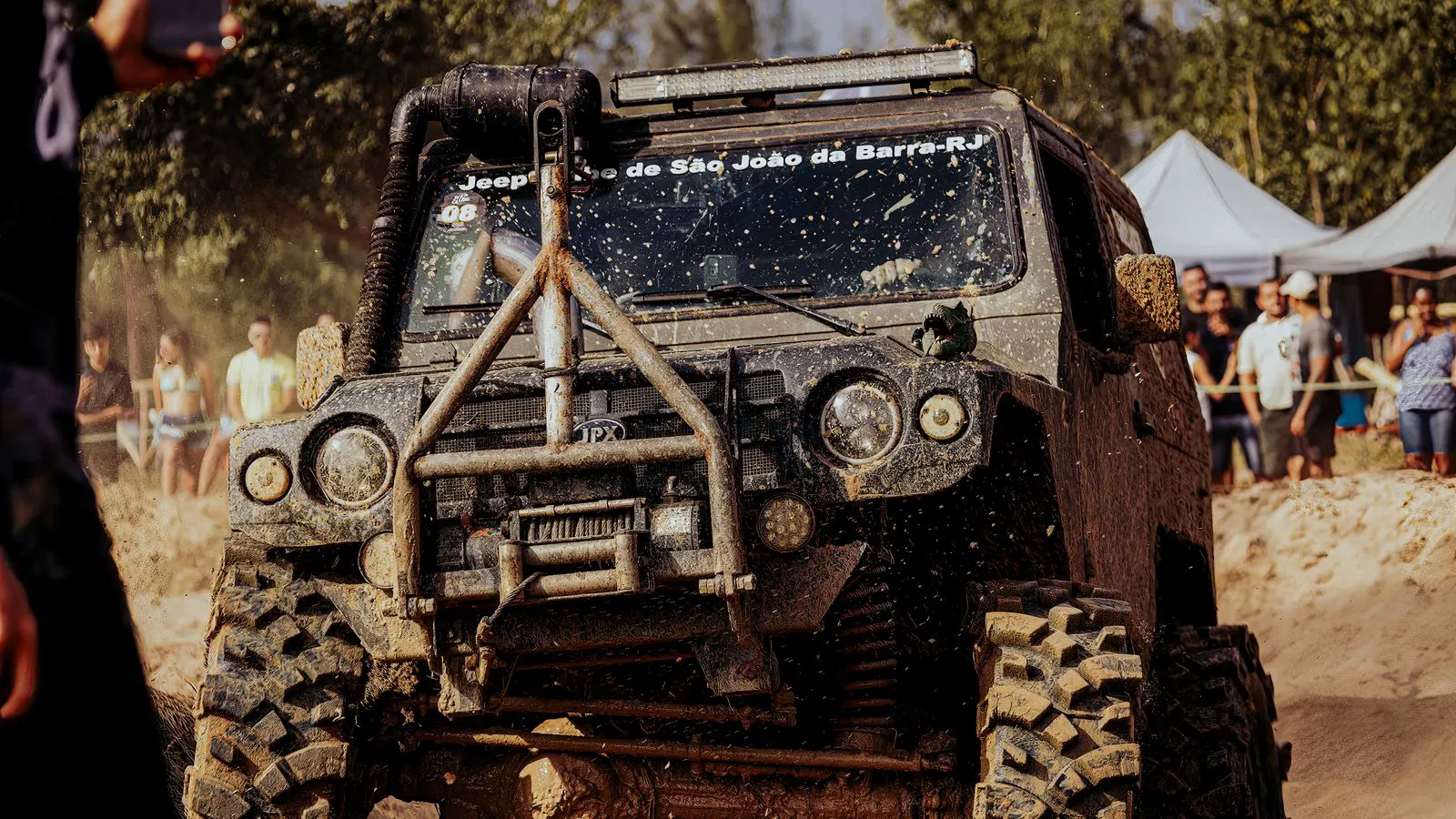
Self-cleaning ability matters in wet or muddy sites. Treads with open voids shed material. Closed patterns tend to hold mud. If the site has loose, wet soil, a pattern with wide channels and sharp edges performs better.
The tread compound also affects terrain performance. Softer compounds conform better to rough surfaces but wear faster. Harder compounds last longer on abrasive surfaces but may sacrifice grip in loose material. The compound selection is a trade-off between life and traction.
Which casing construction suits the application
Casing construction determines how the tire handles impacts, cuts, and heat. Heavy-duty casings use thicker sidewalls and reinforced belts. They resist punctures and abrasion better than standard casings. The trade-off is weight and rolling resistance. A heavier casing increases energy loss, which matters in fuel-conscious operations.
The belt package is critical. Multiple plies in the belt area add strength and cut resistance. The number of plies and the construction method vary by application. Mining tires often use multi-ply belts to handle high-impact loads from rocks and debris. Construction tires may use a single thick belt with added sidewall reinforcement.
The bead design must match the rim. A standard bead works with most heavy machinery rims. A reinforced bead handles higher pressures and larger rim diameters. A mismatch can cause bead movement or air loss. Confirm the rim specification before finalizing the tire.
Sidewall protection is another factor. If the machine operates near obstacles or in narrow spaces, a tire with an armored sidewall or cut-resistant design reduces the risk of damage. The sidewall also flexes with every wheel rotation. A thicker sidewall resists fatigue but may feel stiffer.
How duty cycle affects service life
Duty cycle is the pattern of use over time. A machine that runs eight hours daily in one location creates different stress than a machine that moves across multiple sites. The number of wheel revolutions, the load, and the surface all contribute to wear.
Operating temperature is a major driver of service life. Tires generate heat from rolling resistance and load. If the ambient temperature is high, the total heat load increases. This can shorten compound life and stress the casing. In cold environments, compounds may harden and lose flexibility.
The service life of a tire is often measured in operating hours or in distance traveled. Manufacturers provide general guidance, but actual life depends on site conditions. A tire rated for a certain number of hours may last significantly longer or shorter depending on the load and terrain.
To predict service life, look at the tire’s compound, casing, and tread design. A softer compound with a deep tread may last less on abrasive surfaces but provide better grip. A harder compound with a shallower tread may last longer on hard surfaces but offer less traction in soft soil.
A practical framework for comparison
The table below summarizes the key selection criteria. It helps buyers compare options side by side. Each criterion has a specific indicator and a reason why it matters.
| Criterion | What to look for | Why it matters |
|---|---|---|
| Load rating | Maximum axle load and load range | Prevents overheating and casing failure under peak loads |
| Tread design | Pattern depth, shoulder shape, self-cleaning | Matches traction and wear to the dominant terrain |
| Casing construction | Belt plies, sidewall thickness, bead type | Affects cut resistance, impact handling, and rolling resistance |
| Compound | Hardness, wear resistance, grip | Balances service life with traction in the operating environment |
| Operating pressure | Recommended range and site adjustments | Controls heat, contact patch, and rolling resistance |
| Service life | Expected life in hours or distance | Helps compare total cost of ownership across options |
Decision checklist for final selection
Before approving a tire specification, run through the following checklist. Each item addresses a common failure point.
- Confirm the machine’s maximum axle load and operating weight.
- Identify the dominant terrain and surface conditions.
- Review the machine’s duty cycle and operating hours.
- Match the casing construction to the impact and cut risks.
- Verify the tread design aligns with the typical direction of travel.
- Check the compound for the balance of wear and grip needed.
- Confirm the bead design and rim compatibility.
- Review the recommended operating pressure for the site.
- Compare service life and total cost of ownership, not just initial price.
- Document the specification and operating conditions for future reference.
This checklist reduces the risk of selecting a tire that looks correct on paper but fails in the field. It also creates a record that helps when comparing future purchases or troubleshooting wear issues.
Common selection mistakes to avoid
Buyers often make a few recurring errors. The first is selecting a tire based on visual similarity to an existing one. A tire may look identical but have a different casing, compound, or tread depth. Always check the technical specification.
The second mistake is ignoring the machine’s actual operating weight. A machine may be rated for a certain load, but the operator may exceed it. The tire must handle the real load, not just the nameplate rating.
The third is choosing a tire for the worst-case scenario without considering the average case. A tire designed for extreme mud may wear quickly on hard surfaces. A tire designed for hard surfaces may lack traction in soft soil. The dominant condition should guide the selection.
The fourth mistake is not reviewing operating pressure. Running a tire at the wrong pressure changes the wear pattern and heat generation. A pressure that is too low increases rolling resistance and heat. A pressure that is too high concentrates load and reduces traction.
These mistakes are avoidable with a structured approach. The framework above provides a repeatable method for selection. It helps buyers make consistent, informed decisions across different machines and sites.
Frequently asked questions
How do I know if a tire's load rating is sufficient for my machine?
Compare the tire's maximum axle load to the machine's actual rear axle load under full operation. Use the heaviest expected material, not just the rated capacity.
Can I use the same off-road tire on multiple machines in my fleet?
Yes, if the machines share similar axle loads, terrain, and duty cycles. A standardization across the fleet simplifies inventory and maintenance.
What is the difference between a soft compound and a hard compound?
A soft compound grips better in loose or rough terrain but wears faster. A hard compound lasts longer on abrasive surfaces but may sacrifice traction in soft material.
How often should I check the operating pressure?
Check pressure regularly, ideally at the start of each shift. Pressure drops can occur from temperature changes, slow leaks, or casing damage.
What is the main trade-off in selecting a deep tread?
A deep tread provides better traction and self-cleaning in soft or wet terrain. It may wear faster on hard, stable surfaces and increase rolling resistance.