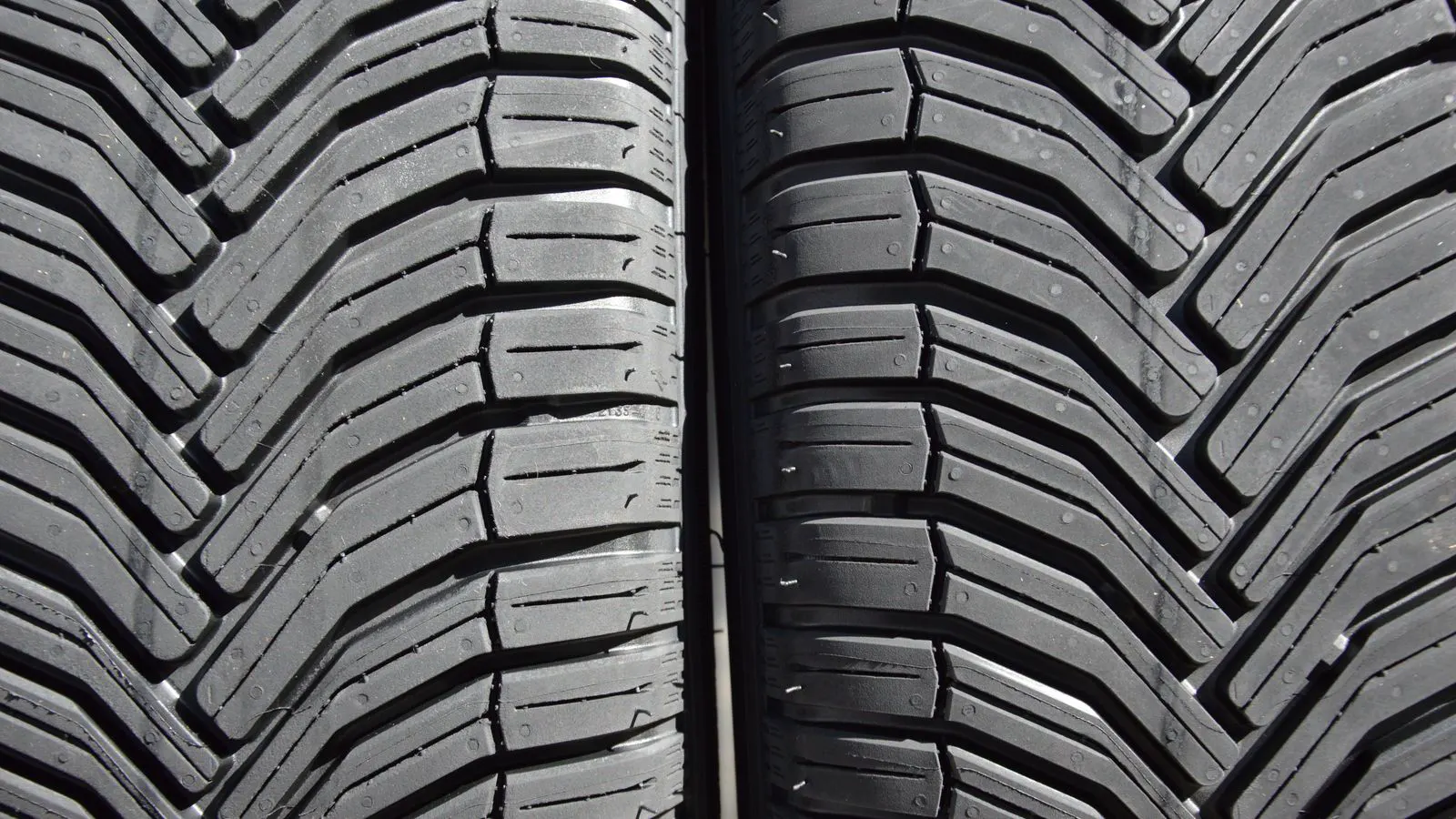
All-season tires balance wet and dry grip with longer tread life, while summer tires offer sharper handling and better performance in warm weather. Choose based on your climate, driving demands, and how long you want each set to last.
- All-season tires prioritize year-round usability and tread depth, while summer tires prioritize peak grip and handling in warm conditions.
- Wet-braking and cornering performance generally favor summer tires when temperatures stay above freezing.
- All-season tires typically wear longer and handle light snow and ice better than summer compounds.
- Tire selection depends on your region's climate, typical driving distance, and whether you prioritize handling or longevity.
- Check local regulations and seasonal temperature ranges before deciding between the two categories.
What separates all-season tires from summer tires
The difference between all-season and summer tires starts with the rubber compound. Summer tires use a softer, stickier blend that grips hot pavement and wet roads more aggressively. All-season tires use a harder, more balanced compound that tolerates cold air, light snow, and longer tread life. The trade-off is direct: the softer summer compound wears faster and stiffens below about four degrees Celsius, while the all-season compound sacrifices some peak grip to stay usable across a broader temperature range.
How do they perform on dry roads?
On dry asphalt, summer tires usually deliver a sharper steering response and higher lateral grip. The tread blocks are larger and more separated, which helps water and debris clear quickly. All-season tires still perform well in dry conditions, but the softer cornering resistance of the compound and the more filled tread pattern can make the tire feel slightly less connected to the road. For daily commuting, the difference is minor. For spirited driving or high-speed highway use, the summer tire often feels more direct.
What happens when it rains?
Wet traction is where the two categories diverge most clearly. Summer tires are engineered for wet weather. Their grooves are wider, and the rubber remains flexible at moderate temperatures, allowing the tread to conform to the road surface. All-season tires manage rain adequately, but their compound is less sticky and their tread design is optimized for year-round conditions rather than peak wet grip. In heavy rain, a well-maintained summer tire will typically brake more firmly and corner with more confidence. In light rain, the gap narrows, and an all-season tire can be perfectly adequate.
How do they handle cold weather and snow?
This is the area where all-season tires have a clear advantage. Summer compounds harden rapidly as temperatures drop below four degrees Celsius. Once the rubber stiffens, the tire loses its ability to bite into the road. All-season compounds remain flexible in mild winter conditions. They can handle light snow, slush, and cold pavement without becoming dangerously rigid. Neither category is designed for deep snow or heavy ice, but if your climate brings occasional cold snaps or early snowfall, all-season tires are the safer default.
What about tread life and cost?
Tread life is one of the most practical factors in the decision. Because summer tires use a softer compound, they wear more quickly. An all-season tire will often reach the legal tread depth limit later than a summer tire under similar driving conditions. This longer service life can offset the initial price difference over time. A tire that lasts two extra years may cost less per kilometer to run. Keep in mind that driving style, road surface, and load all affect wear. Aggressive driving on rough roads will shorten the life of both types, but the effect is usually more pronounced on the softer summer compound.
When to pick each option
The right choice depends on three main inputs: your climate, your driving style, and your budget horizon. If you live in a region where winters are mild or you change tires seasonally, summer tires are a strong option for the warmer months. They deliver the best handling and wet grip when the road is warm. If you live in a temperate or continental climate where temperatures swing widely and you want one set of tires that handles everything from summer heat to cold rain and light snow, all-season tires are the practical choice. They reduce the hassle of seasonal changes and give you a consistent level of performance across the year.
| Option | Best for | Limitations |
|---|---|---|
| All-season tires | Year-round driving in mild to cold climates, light snow, and mixed road conditions | Lower peak wet grip and handling compared to summer tires |
| Summer tires | Warm climates, high-performance driving, and maximum wet traction in summer | Loss of grip below four degrees Celsius, shorter tread life, not suitable for snow or ice |
| All-season with winter compound | Regions with frequent cold snaps but no heavy snowfall, drivers who want one set for all seasons | Still not a true winter tire; performance degrades in deep snow and ice |
| Summer with all-season tread pattern | Drivers who prioritize year-round usability but still want improved wet grip | Compromised handling and shorter life than a dedicated summer tire |
How to decide based on your specific situation
Start by looking at your average winter low temperature. If it regularly dips below four degrees Celsius, a summer tire is not a safe option for daily driving. All-season tires are the baseline. If you live in a region where winters are brief and mild, you can run summer tires for most of the year and switch to all-season or winter tires only when needed. If you drive long distances on highways, check the tire’s noise rating and comfort profile. All-season tires are often tuned for a quieter ride, while high-performance summer tires can be louder at highway speeds. Consider the tread depth you want to maintain before replacement. A tire that wears unevenly or too quickly will cost more in the long run, regardless of how it performs in the best conditions.
Common mistakes to avoid
The most frequent error is buying tires based only on the label. A tire marketed as all-season can still have many performance depending on its specific compound and tread design. Check the tread pattern, not just the marketing name. Another mistake is ignoring local regulations. Some regions require winter tires during specific months. If you live where winter tires are mandatory, an all-season tire may not meet the legal requirement, even if it handles light snow well. Finally, avoid mixing tire types on the same axle. A mismatch in compound or tread depth creates uneven grip and can make the vehicle handle unpredictably. Stick to identical tires on each axle, and check the load and speed rating on the sidewall to make sure it matches your vehicle’s requirements.
What to check before you buy
Before purchasing, verify the tire’s speed rating against your vehicle’s maximum speed. A tire rated for 180 km/h is not suitable for a car that can reach 240 km/h. Check the load index to ensure the tire can handle the vehicle’s maximum gross weight. Look at the tread depth and age. New tires are ideal, but even slightly used tires can be acceptable if the tread is deep and the rubber is not cracked. Check the date code on the sidewall to confirm the tire is not older than three years, as aged rubber loses flexibility and grip. Finally, read the warranty terms. Some manufacturers offer road hazard coverage, while others only cover manufacturing defects. Understand what is covered before you commit.
How to maintain whatever you choose
Regardless of which type you buy, proper maintenance extends the life and safety of the tire. Check tire pressure monthly and before long trips. Underinflation increases heat buildup and accelerates wear. Overinflation reduces the contact patch and can cause a harsh ride. Rotate tires every 8,000 to 10,000 kilometers, or as recommended by the vehicle manufacturer. Rotation helps even out the wear across the four tires. Keep the tires clean of debris and mud, which can hide cracks or cuts. If you notice uneven wear, pull the vehicle to a mechanic and check the alignment. Uneven wear is often a sign of a misaligned suspension, not a tire fault. Addressing the root cause prevents the need for early replacement.
When to consider an upgrade
If you find yourself switching tires twice a year and the cost of labor and storage adds up, a set of all-season tires may simplify your routine. If you drive a high-performance vehicle and want the best possible handling in summer, summer tires are the natural fit. If you live in a snowy region and still want to drive in winter without winter tires, look at all-season tires with a winter-rated compound. These tires are designed to handle light snow and cold rain while maintaining a reasonable level of grip. They are not a substitute for true winter tires in heavy snow, but they can make winter driving more manageable. The key is to match the tire to the conditions you actually face, not the conditions you hope to avoid.
Final thoughts
The choice between all-season and summer tires is not about which one is better. It is about which one fits your reality. All-season tires give you a consistent, low-maintenance experience across many conditions. Summer tires give you peak performance in warm weather, at the cost of reduced grip in cold and shorter tread life. There is no single right answer. The right answer is the one that matches your climate, your driving style, and your budget. Start by assessing your average winter temperature and your typical driving distance. Then choose the tire that covers those variables without forcing you to compromise on safety or convenience.
Frequently asked questions
Can I use all-season tires in the snow?
Yes, all-season tires can handle light snow and slush better than summer tires. They are not designed for deep snow or heavy ice, so true winter tires are still recommended in severe conditions.
Do summer tires wear out faster than all-season tires?
Generally, yes. The softer compound used in summer tires grips better but wears more quickly. All-season tires typically last longer under similar driving conditions.
Is there a temperature limit for summer tires?
Yes. Summer tire compounds stiffen and lose grip below about four degrees Celsius. In colder conditions, an all-season or winter tire is safer.
Should I buy tires based on the price?
Price alone is not enough. Consider tread life, wet grip, noise, and how the tire matches your climate. A more expensive tire that lasts longer and handles better may cost less over time.
Can I mix all-season and summer tires on the same vehicle?
No. Mixing different tire types on the same axle creates uneven grip and can make the vehicle handle unpredictably. Use identical tires on each axle.