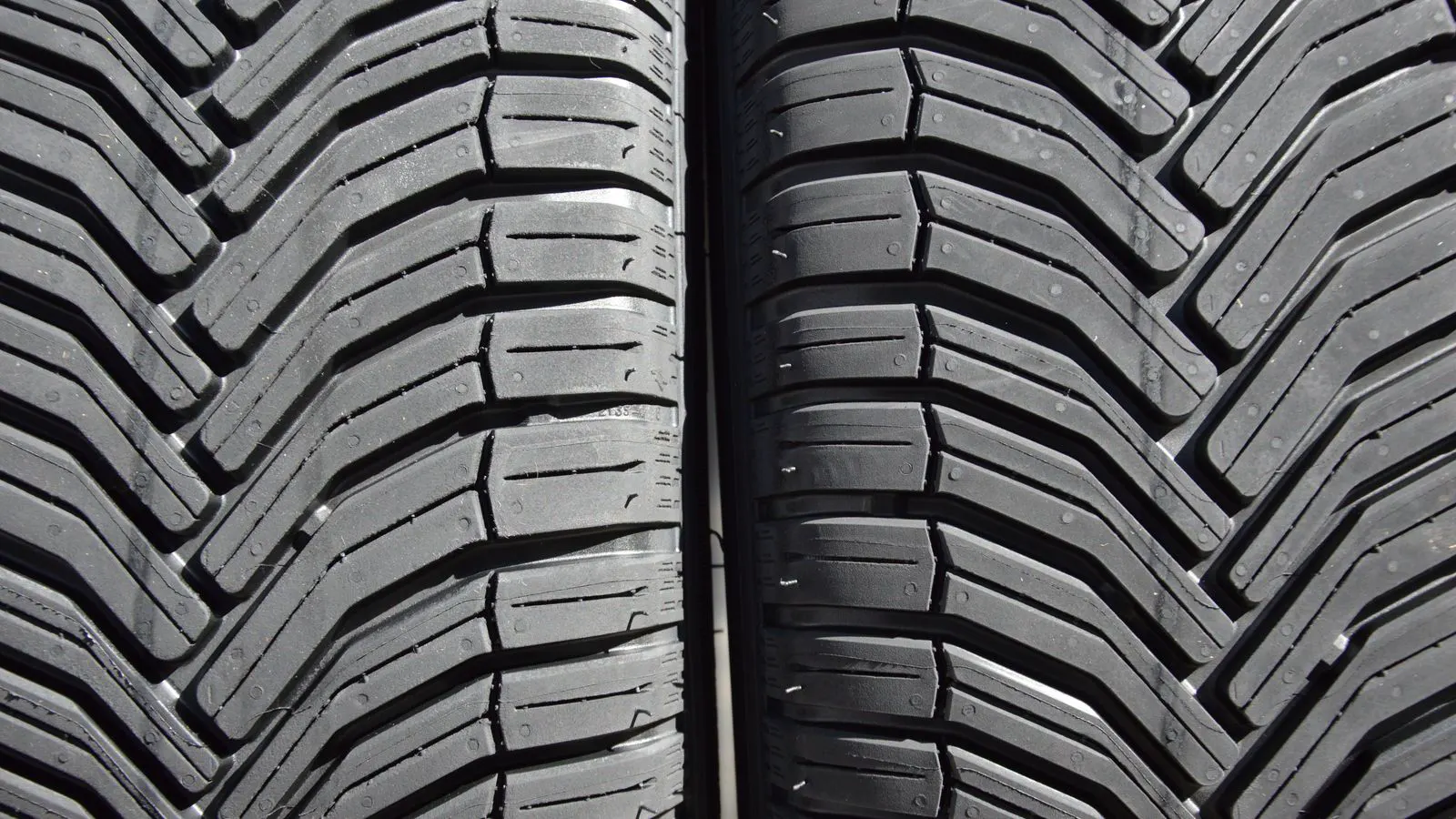
Passenger tire cost depends on raw material prices, shipping times, and freight rates. Overseas imports require careful comparison of duty, insurance, and delivery terms. This guide explains how to structure RFQs and evaluate quotes accurately for professional buyers.
- Raw material cycles and freight rates set the baseline for passenger tire cost.
- Shipping times and supply chain reliability affect total landed cost, not just unit price.
- Clear RFQs reduce quote variance and help you compare terms fairly.
- Landed cost includes duty, insurance, and inland transport, which change the final price.
- Document all assumptions in your comparison to avoid misreading supplier quotes.
What drives passenger tire cost
The price of passenger tires from overseas moves with several variables. Raw material costs are the first layer. Steel cord, synthetic rubber, natural rubber, carbon black, and oil all affect manufacturing cost. When these inputs shift, producers adjust pricing. A supplier may quote a stable unit price for one quarter and raise it in the next. Steel cord is often the single most expensive structural component in a passenger tire. It is made from high-strength steel wire that must withstand high internal pressure. If the price of steel rises, the cost of the casing rises with it. Natural rubber is subject to weather and harvest cycles. A dry season in Southeast Asia or a freeze in Brazil can reduce supply and push rubber prices higher. Synthetic rubber is more consistent but depends on petrochemical feedstocks. When oil prices move, the cost of synthetic rubber and carbon black follows. Carbon black is produced by burning fossil fuels. Its price tracks fuel costs closely. These materials make up a large portion of the tire bill. Any volatility in these inputs eventually appears in the supplier quote.
Freight and logistics form the second layer. Container availability, route congestion, and fuel surcharges change quickly. A direct shipment from Asia to a European port can differ in cost from a transshipment route. Shipping times and freight rates often move together. When vessels are full, rates rise, and delivery windows lengthen. Container shortages can force shippers to use smaller, more expensive boxes or to split shipments. This increases per-unit cost. Fuel surcharges are calculated based on fuel indices. If global oil prices spike, carriers add a surcharge to cover the higher cost of operating their ships. This surcharge is usually added to the base freight rate. It is not always included in the initial quote. You must ask if the quote includes fuel surcharges or if they are added later.
The third layer is trade policy. Duty rates, tariffs, and anti-dumping levies vary by country and product classification. A small change in a duty category can alter the landed price significantly. Importers must confirm the correct classification with their customs broker before accepting a quote. Tires are often classified under specific Harmonized System codes. Misclassification can lead to higher duties, delays at the border, or even seizure of goods. Anti-dumping duties are applied when foreign producers are found to sell below fair value. These duties can be substantial. They are usually applied per unit or as a percentage of the transaction value. They are not always predictable. You should build them into your cost model.
Labor costs and factory capacity also matter. A plant with high utilization may charge more for premium service levels. A factory with spare capacity may offer lower prices but with longer lead times. You need to know which scenario applies before comparing two suppliers. Labor costs vary by country. A plant in a region with higher minimum wages will have higher production costs than one in a region with lower labor costs. However, higher labor costs often correlate with better quality control and training. A factory with high utilization is running at or near full capacity. It may not be able to take on a new order without pushing back existing orders. This leads to longer lead times. A factory with spare capacity can produce quickly but may be selling at a discount to clear space. You must weigh speed against price.
How shipping times affect total cost
Shipping time is not just a calendar issue. It ties directly to cash flow and inventory risk. A longer transit time means you must hold more safety stock to cover gaps. That extra stock occupies warehouse space and ties up working capital. If you import from Asia, the ocean transit to Europe can take 30 to 45 days. Add production time, export clearance, and import clearance, and the total lead time can be 60 to 90 days. If a shipment is delayed by two weeks, you may run out of stock before the next one arrives. This forces you to buy from a local distributor at a premium price or to turn away customers.
If a shipment arrives late, the cost can appear in several ways. You may pay for emergency inland transport to meet a dealer deadline. You may face stockout penalties. You may lose a contract because the tires were not in stock when ordered. Emergency transport is expensive. You might pay for air freight to move a small batch of tires to a key customer. Air freight for tires is significantly more expensive than ocean freight. It is a last resort. Stockout penalties are contractual. If you are supplying a dealer or a fleet, you may have to pay a fine if you miss a delivery date. Lost sales are harder to quantify. If a customer buys tires from a competitor because you were out of stock, you may never see that customer again.
Shipping times also interact with seasonal demand. Passenger tire demand peaks in spring and early summer for many markets. If your import window overlaps that period, carriers and ports may be slower. Ports become congested when many ships arrive at once. Dwell time, the period a container sits at the port before being released, can increase. This adds days to your delivery schedule. You may face demurrage and detention charges if the container is not picked up on time. Plan for the season, not just the current month. If you need tires for the spring season, you must place your order in the previous winter. You need to account for production time, shipping time, and clearance time.
A practical check is to ask suppliers for their standard production time and then add a buffer for export clearance, vessel booking, and port handling. Do not rely on the fastest possible ship date. Use the reliable one. Ask for the average transit time over the last three months. Ask about recent delays. If a supplier claims a 30-day transit time, ask if that includes port congestion. If the answer is no, add 7 to 10 days. This buffer protects you from unexpected delays.
How to compare freight rates fairly
Freight quotes can look confusing if terms are mixed. One supplier may quote ex-works, another ex-factory, and a third free on board. You must convert all quotes to the same basis before comparing. The terms determine who bears the risk and cost of transport. Ex-works means the buyer is responsible for everything from the factory door. Free on board means the supplier is responsible for transport to the port of export and loading. You need to understand the difference. If one quote is ex-works and another is free on board, you cannot compare the unit price directly. You must add the cost of export transport to the ex-works quote to make it comparable.
The most useful basis for importers is landed cost. This includes the tire price, export handling, main freight, insurance, import duty, local transport, and any handling charges at the receiving depot. If two suppliers offer different terms, ask each to provide a landed cost estimate for your specific destination. Landed cost gives you the true price of the tires when they are ready to sell. It includes all the hidden costs. Without it, you may think you are saving money by choosing a lower unit price, only to discover that the total cost is higher due to freight and duties.
Fuel surcharges are often variable. Some carriers add a percentage, others add a fixed amount per cubic meter or per ton. Ask how the surcharge is calculated and when it is updated. Fuel surcharges can change monthly. They are usually based on a fuel index. If the index rises, the surcharge rises. This can add several dollars per container. You should ask for the surcharge amount in the quote. If it is not included, ask for a range. This helps you budget for the cost.
Port charges can also vary. Destination port terminal handling, storage, and drayage are often separate line items. Confirm who pays for these. A low freight rate can become expensive if the supplier expects you to cover destination port storage. Terminal handling charges are paid to the port authority. Storage, or demurrage, is paid if the container is not picked up within the free time allowed. Drayage is the trucking from the port to your warehouse. These costs can add up. You should confirm who pays for each of these items. A low freight rate may be offset by high port charges.
Key cost drivers in a table
The table below lists the main factors that affect passenger tire cost and delivery. Use it as a checklist when reviewing quotes.
| Cost Driver | What It Includes | Typical Impact |
|---|---|---|
| Raw Materials | Rubber, steel, oil, carbon black | Sets base manufacturing price |
| Freight Rates | Ocean or air freight, fuel surcharge | Varies by route and season |
| Shipping Times | Transit days, port dwell time | Affects inventory and stockouts |
| Duty and Tariffs | Import taxes, classification | Adds fixed or percentage cost |
| Production Capacity | Factory load, service level | Influences price and lead time |
| Inland Transport | Trucking, drayage, handling | Affects final depot cost |
How to write a clear RFQ
A vague request for a quote produces a vague answer. To get comparable numbers, your RFQ must define the scope. Start with the product specification. List the size, load rating, speed rating, and season type. If you need a specific tread pattern or compound, state it. For example, if you need a 225/45 R17 tire with a load rating of 95 and a speed rating of H, for summer use, list that. If you need a winter tire, state that. If you need a specific tread pattern, such as a directional or asymmetrical pattern, state it. This helps the supplier identify the correct product.
Next, define the quantity and packaging. Are you importing 200 tires or 2,000? Does the supplier pack in bulk bags or in retail boxes? Packaging affects container space and handling. A bulk bag may fit more units per container, but it may require different warehouse storage. Bulk bags are often used for fleet or wholesale accounts. Retail boxes are used for consumer accounts. The packaging affects the number of tires that fit in a 20-foot container. A 20-foot container can hold a certain number of tires in bulk bags. It can hold fewer tires in retail boxes because of the extra space taken by the boxes. You need to know the packaging to calculate the freight cost per tire.
State the Incoterms you want. For example, ask for a price on ex-factory terms or on free on board terms. If you are comparing suppliers, use the same Incoterm for all. This removes the confusion of different delivery obligations. Incoterms define the responsibilities of the buyer and the seller. They determine who pays for transport, insurance, and duties. If you ask for ex-factory terms, the supplier only quotes the price of the tires and the export packaging. You pay for all transport. If you ask for free on board terms, the supplier pays for transport to the port. You pay for the main freight and import duties. You must be consistent. If you ask one supplier for ex-factory and another for free on board, you cannot compare the prices directly.
Add your destination port and a target delivery date. If you have a specific window, say so. If you need the tires by a certain month, state that. Suppliers can then check their production schedule and shipping calendar. If you need the tires by May, you must order in January or February. This gives time for production, shipping, and clearance. If you do not specify a date, the supplier may give you a standard lead time. This may not fit your needs.
Finally, ask for payment terms and lead time. Payment terms affect cash flow. Lead time affects planning. If a supplier can deliver faster, ask what that costs. If they can deliver slower, ask if they can reduce the price. Payment terms can be prepayment, letter of credit, or open account. Prepayment is common for new suppliers. It is risky for both parties. A letter of credit is secure for both parties. It is expensive for the buyer. Open account is convenient but risky for the supplier. You should negotiate the terms. If you are a large buyer, you may negotiate open account terms. If you are a small buyer, you may have to prepay.
How to plan supply chain risk
Supply chain risk is not just about price. It is about continuity. A single source of tires can fail if a plant closes, if a raw material shortage hits, or if a port strike occurs. Diversifying suppliers reduces this risk but increases administrative work. If you have one supplier, you have one point of failure. If that supplier has a problem, you have no backup. You may have to buy from a local distributor at a higher price. This erodes your margin. If you have two or three suppliers, you can shift orders to a backup source if one fails. You also have more bargaining power. You can use one supplier to negotiate better terms with another.
Keep a record of your suppliers’ performance. Note their on-time delivery rate, their quote accuracy, and their response time. If one supplier consistently delivers late, adjust your safety stock or switch to a second source. On-time delivery is critical. If a supplier is late 10 percent of the time, you must hold more inventory to cover the gaps. Quote accuracy is also important. If a supplier quotes a price that is too low, you may have to pay more later. This is a form of risk. Response time matters too. If you have a problem, you need the supplier to respond quickly. A slow response can turn a small issue into a large one.
Monitor raw material trends. You do not need to predict the market, but you should know if rubber or oil prices are moving sharply. If they are, you may want to lock in prices with a supplier or place a larger order to cover a longer period. Locking in prices means agreeing on a fixed price for a set period. This protects you from price increases. It may limit you if prices fall. Placing a larger order means buying more tires than you need immediately. This ties up capital. It also increases storage costs. You must weigh the benefits against the costs. If prices are rising, locking in or buying more may be smart. If prices are falling, you may want to wait.
Use contracts with clear terms. Define what happens if input costs rise more than a set percentage. Define penalty clauses for late delivery. Define quality standards and inspection rights. A clear contract protects you when things go wrong. A contract should specify the price, the quantity, the delivery date, and the payment terms. It should also specify what happens if things go wrong. If input costs rise, does the price rise? If the delivery is late, is there a penalty? If the quality is poor, can you reject the goods? These clauses are essential. They prevent disputes. They make it easier to work with the supplier.
How to reduce total cost without sacrificing quality
Lower cost does not mean buying the cheapest tire. It means reducing waste in the process. Review your packaging and loading. If you leave empty space in a container, you are paying for air. Fill containers efficiently. If you are buying tires in bulk bags, make sure the bags are packed tightly. If you are buying tires in boxes, make sure the boxes are stacked correctly. Empty space increases the cost per tire. It also increases the risk of damage. Tires can shift during transport. If they are not packed tightly, they can move and get damaged. This leads to claims and returns.
Review your shipping route. A direct route may be more expensive than a transshipment, but it may be faster. If speed matters more than a small cost saving, choose the direct route. If cost matters more, consider the slower option. A direct route from Asia to Europe is faster than a transshipment via a third country. But it is also more expensive. A transshipment route may be cheaper but takes longer. You must decide what is more important. If you have a tight deadline, pay for the direct route. If you have time, choose the transshipment route.
Review your inventory levels. Holding too much stock increases carrying cost. Holding too little increases stockout risk. Find the balance that fits your sales pattern. Use historical data to set safety stock levels. Carrying cost includes storage, insurance, and the cost of capital. If you hold too much stock, you are paying to store it. If you hold too little, you are losing sales. You need to find the sweet spot. Use your sales history to calculate the average demand. Add a buffer for variability. This buffer is your safety stock. It protects you from demand spikes or supply delays.
Review your supplier mix. If one supplier offers a lower price but has poor service, the total cost may be higher. Factor in the cost of expediting, the cost of poor quality, and the cost of lost sales. A low price may be offset by high service costs. If a supplier is slow, you may have to pay for emergency transport. If they have poor quality, you may have to reject goods. If they are unreliable, you may have to hold more inventory. You must look at the total cost, not just the unit price. A slightly higher price from a reliable supplier may be cheaper in the end.
Frequently asked questions
What is the biggest factor in passenger tire cost?
Raw material prices and freight rates are the two largest drivers. They change frequently and affect both unit price and delivery time.
How do I compare quotes from different suppliers?
Convert all quotes to the same landed cost basis. Include duty, insurance, inland transport, and handling. Use the same Incoterms and destination for all quotes.
How long do passenger tire shipments usually take?
Transit times vary by route and mode. Ocean freight is slower but cheaper. Air freight is faster but more expensive. Check the specific route and current port conditions.
What should I include in my RFQ?
Include product specifications, quantity, packaging, Incoterms, destination port, target delivery date, payment terms, and lead time. Clear details reduce quote variance.
How do I manage supply chain risk?
Diversify suppliers where possible. Monitor raw material trends. Use contracts with clear terms for price changes and late delivery. Keep performance records.