Seasonal tires use distinct rubber compounds and tread patterns for specific temperatures. Summer tires grip hot pavement, winter tires flex in cold, and all-season tires offer a middle path. Matching the right type to local climate prevents performance loss and wear issues.
- Rubber compound determines how a tire flexes in heat and cold.
- Tread design controls water evacuation and snow traction.
- Temperature limits define when a tire shifts from useful to underperforming.
- Sourcing decisions must match expected operating conditions, not just legal minimums.
- Mixed-use vehicles benefit from seasonal rotation or all-season options.
What defines a seasonal tire
A seasonal tire is a tire engineered for a specific temperature band. The two main types are summer tires and winter tires. All-season tires sit between them, designed to perform acceptably in mixed conditions rather than optimally in any single one.
The difference starts with the rubber compound. Tire makers blend natural rubber, synthetic rubber, carbon black, and other additives. The final mix determines the tire’s stiffness and grip. Summer compounds stay flexible in warm weather. They provide strong cornering force on dry and wet asphalt. Winter compounds use softer resins and different silica levels to remain pliable near freezing. All-season compounds use a middle blend that resists excessive wear while maintaining reasonable grip in moderate conditions.
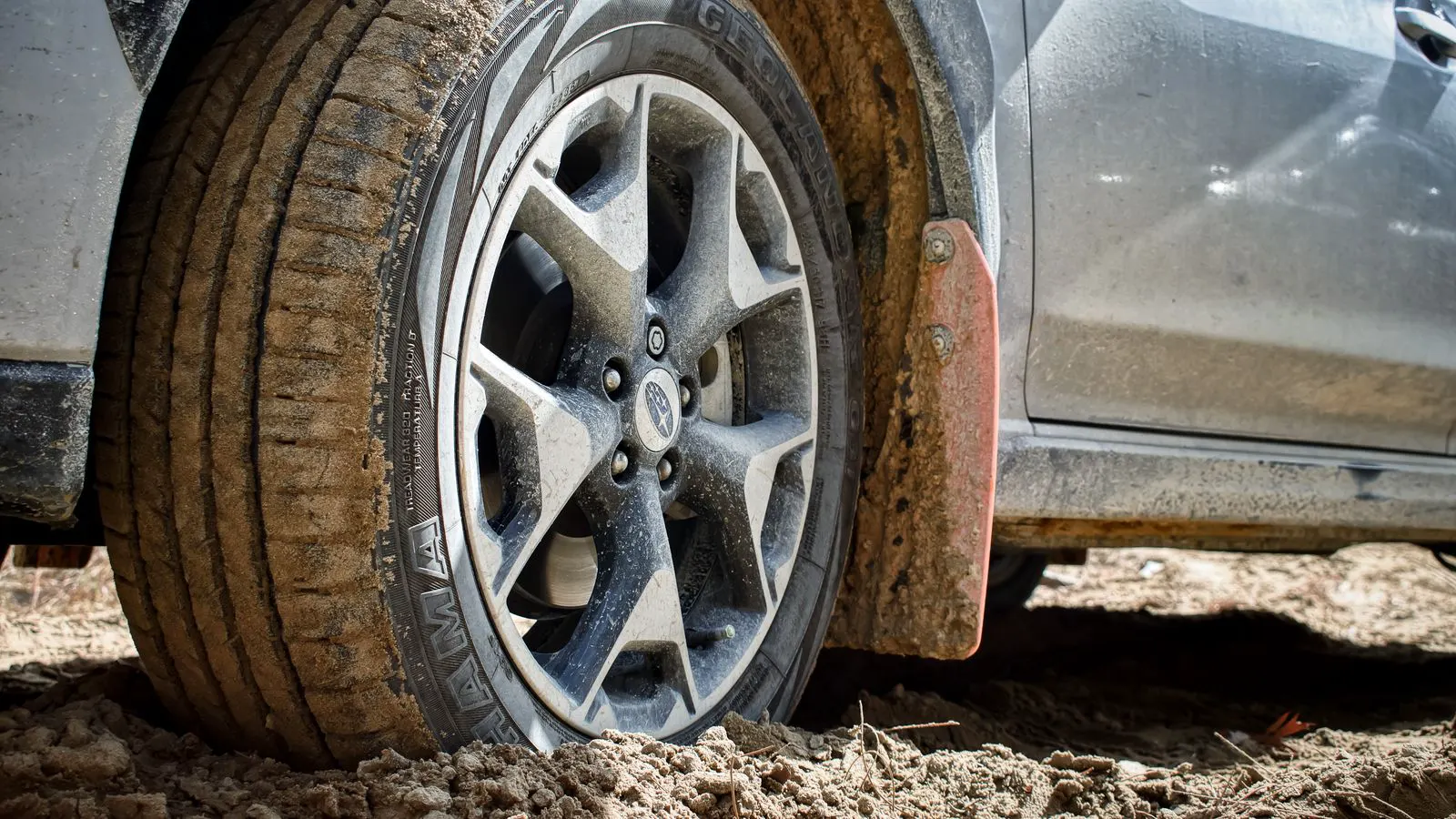
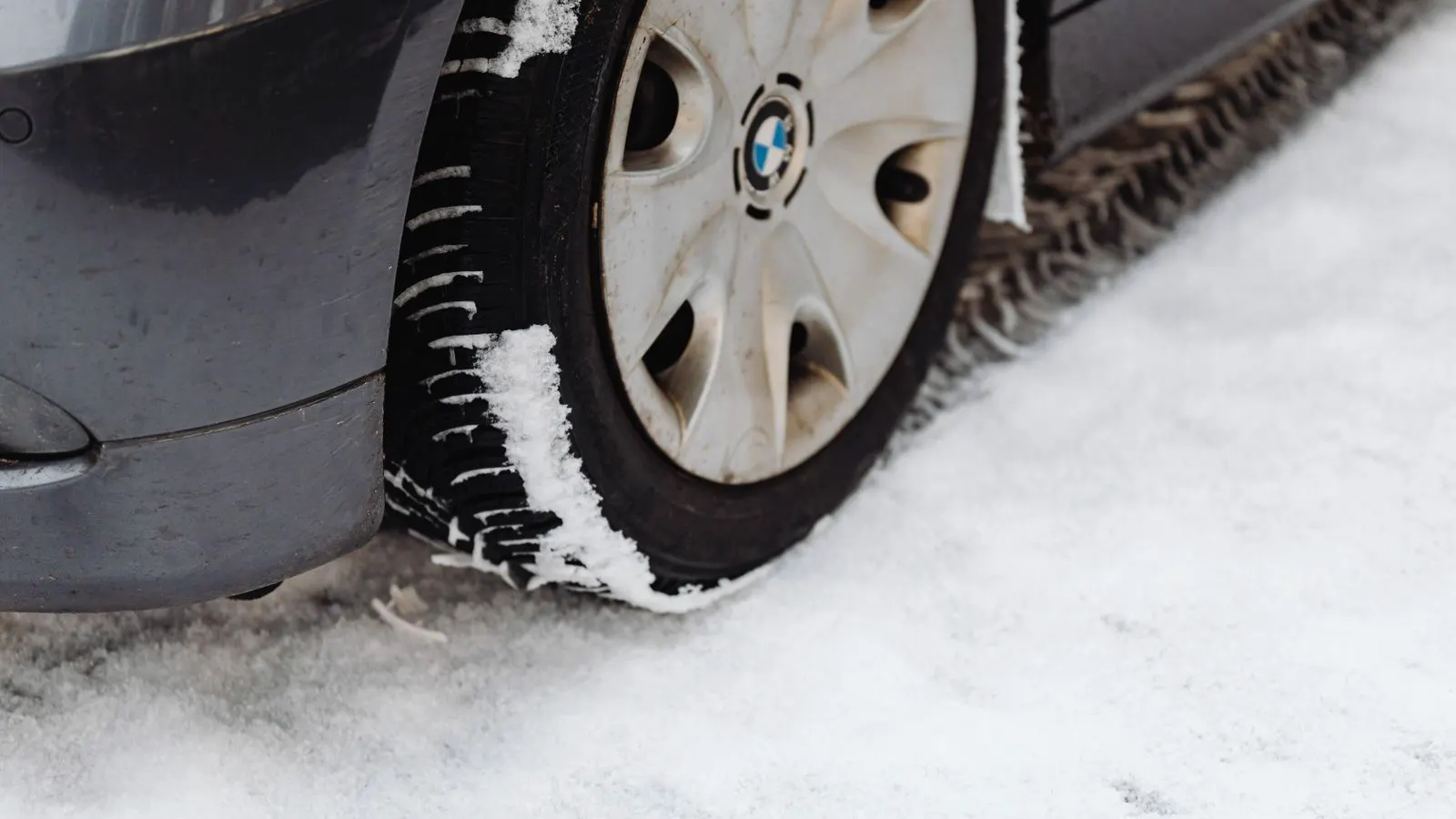
The tread pattern shapes performance too. Summer tires often feature larger, connected tread blocks that maximize contact area on smooth pavement. They shed water quickly but do not bite into snow. Winter tires use smaller blocks with deeper grooves and numerous sipes. Sipes are small slits in the rubber that create thousands of tiny edges. These edges grip ice and wet snow. All-season tires use a more moderate pattern that balances wet braking and light snow coverage.
How temperature changes tire behavior
Rubber behaves differently at different temperatures. In cold weather, stiff compounds lose flexibility. The tread blocks stop moving independently. Water and snow cannot be displaced quickly. Grip drops because the tire surface cannot conform to road texture.
Summer tires suffer most in cold conditions. Below about seven degrees Celsius, their compounds begin to harden. Tread contact area shrinks. Braking distances increase. In deep snow or ice, a summer tire may spin or slide with little warning. This is why many regions require winter tires in winter.
Winter tires handle cold pavement well. They maintain flexibility at low temperatures. Their sipes cut through ice. However, in hot weather, the soft compound wears faster. It may generate heat that reduces stability on long highways. The tread blocks can also wear unevenly in extreme heat.
All-season tires occupy a compromise zone. They perform adequately from mild winter to hot summer. They do not match the peak grip of a dedicated tire. The trade-off is convenience. Owners who drive in climates with moderate winters and occasional snow often choose all-season tires.
Tread patterns and weather conditions
Tread design controls how a tire moves water, snow, and debris. Each pattern has strengths and limits.
| Tire Type | Tread Feature | Best Condition | Limitation |
|---|---|---|---|
| Summer | Large blocks, few sipes | Dry and wet hot pavement | Poor grip on snow and ice |
| Winter | Small blocks, many sipes | Snow, ice, cold pavement | Faster wear in high heat |
| All-Season | Moderate blocks, some sipes | Mixed mild weather | Less grip than dedicated tires |
Summer tires excel on dry asphalt. The large tread blocks create a stable platform for steering. On wet roads, grooves channel water away from the contact patch. This reduces hydroplaning risk. The pattern is optimized for high-speed stability.
Winter tires prioritize traction in low-temperature conditions. The deep grooves store water and slush. The sipes increase the number of contact edges. On packed snow, the blocks flex and bite. On ice, the sipes cut into the surface. The design sacrifices some high-speed stability for low-speed grip.
All-season tires use a hybrid approach. The tread has moderate depth and a mix of block sizes. It handles rain and light snow. It does not match the snow bite of a winter tire or the dry grip of a summer tire.
All-season vs. dedicated seasonal performance
All-season tires offer a practical solution for moderate climates. They last through the year without rotation. The compound resists wear in both heat and cold. The tread handles rain and light snow. However, they are not extreme-weather tires.
In a heavy snowstorm, a dedicated winter tire provides significantly better stopping power. The sipes and soft compound work together to grip. In a hot summer, a dedicated summer tire maintains dry grip and reduces heat buildup. All-season tires may show reduced stability at higher speeds or in sustained rain.
Sourcing decisions should reflect local weather. If a facility operates in a region with regular snow and ice, dedicated winter tires are the standard choice. If the climate has mild winters and hot summers, all-season tires may suffice. If the vehicle is used for high-speed highway driving, summer tires provide the best dry and wet performance.
Sourcing and replacement considerations
When selecting seasonal tires, match the specification to the operating environment. Check the vehicle manufacturer’s recommendations for load and speed ratings. These ratings must be met regardless of tire type. A winter tire must carry the same load index and speed symbol as the original equipment tire.
Rotation matters. If a vehicle uses dedicated seasonal tires, rotate the wheels at least twice a year. This ensures even wear across all four tires. If the vehicle uses all-season tires, rotation is still recommended to manage wear patterns.
Inspect tires regularly. Look for uneven wear, cracking, or embedded debris. Winter tires show more wear in cold conditions. Summer tires wear faster in heat. All-season tires wear more slowly but may not perform as well in extremes.
Cost is a factor. Dedicated seasonal tires require two sets and rotation labor. All-season tires require one set but may need earlier replacement in mixed climates. The total cost depends on driving distance, climate, and vehicle use.
A worked example
Consider a regional logistics company that operates in a climate with cold winters and hot summers. The vehicles make daily deliveries in urban areas and occasionally travel on highways.
The company evaluates three options. First, dedicated winter tires for the cold months and dedicated summer tires for the warm months. This setup provides maximum performance in each season. The cost includes buying two sets of tires and paying for rotation labor. The benefit is optimal grip in snow and ice, as well as strong dry and wet highway stability.
Second, all-season tires for the entire year. This reduces the need for rotation and lowers the upfront cost of buying a second set. The tires handle light snow and rain. They may not stop as quickly in heavy snow or maintain as much dry grip on hot highways. The company accepts this trade-off if its routes avoid extreme conditions.
Third, a hybrid approach. The company uses all-season tires for most vehicles but switches to winter tires for vehicles that operate in the most exposed routes. This targets performance where it matters most and reduces overall cost.
Each option has merit. The decision depends on how much risk the company is willing to take. Heavy snow and ice demand dedicated winter tires. Hot, dry highways favor dedicated summer tires. Moderate conditions support all-season tires. The company must match the tire to the mission.
Final check for selection
Before finalizing a selection, verify the following.
- Confirm the temperature range of the operating environment.
- Match the tire compound to the expected weather conditions.
- Verify load and speed ratings match the vehicle requirements.
- Evaluate the cost of rotation and storage against the benefit of dedicated tires.
- Plan for regular inspection and replacement based on wear and age.
The right choice is not about finding a single best tire. It is about matching the tire to the conditions. Seasonal tires, summer tires, and winter tires each serve a clear purpose. All-season tires bridge the gap for moderate climates. Understanding the trade-offs supports better sourcing and longer vehicle life.
Frequently asked questions
Can I use summer tires in winter?
It is not recommended. Summer tires harden in cold weather and lose grip on snow and ice. They are designed for warm, dry, and wet pavement.
Do all-season tires replace the need for winter tires?
Not in severe climates. All-season tires handle light snow and rain but do not match dedicated winter tires in deep snow or ice.
How do I know when to replace my tires?
Check tread depth, look for cracking, and inspect for uneven wear. Follow the vehicle manufacturer's guidelines for age and mileage.
Do I need to rotate all-season tires?
Yes. Rotation helps distribute wear evenly and extends the life of the set. Follow the vehicle owner's manual for the recommended interval.
What is the main difference between summer and winter compounds?
Summer compounds stay flexible in heat and provide strong grip on dry and wet pavement. Winter compounds remain soft in cold weather and use sipes for traction on snow and ice.