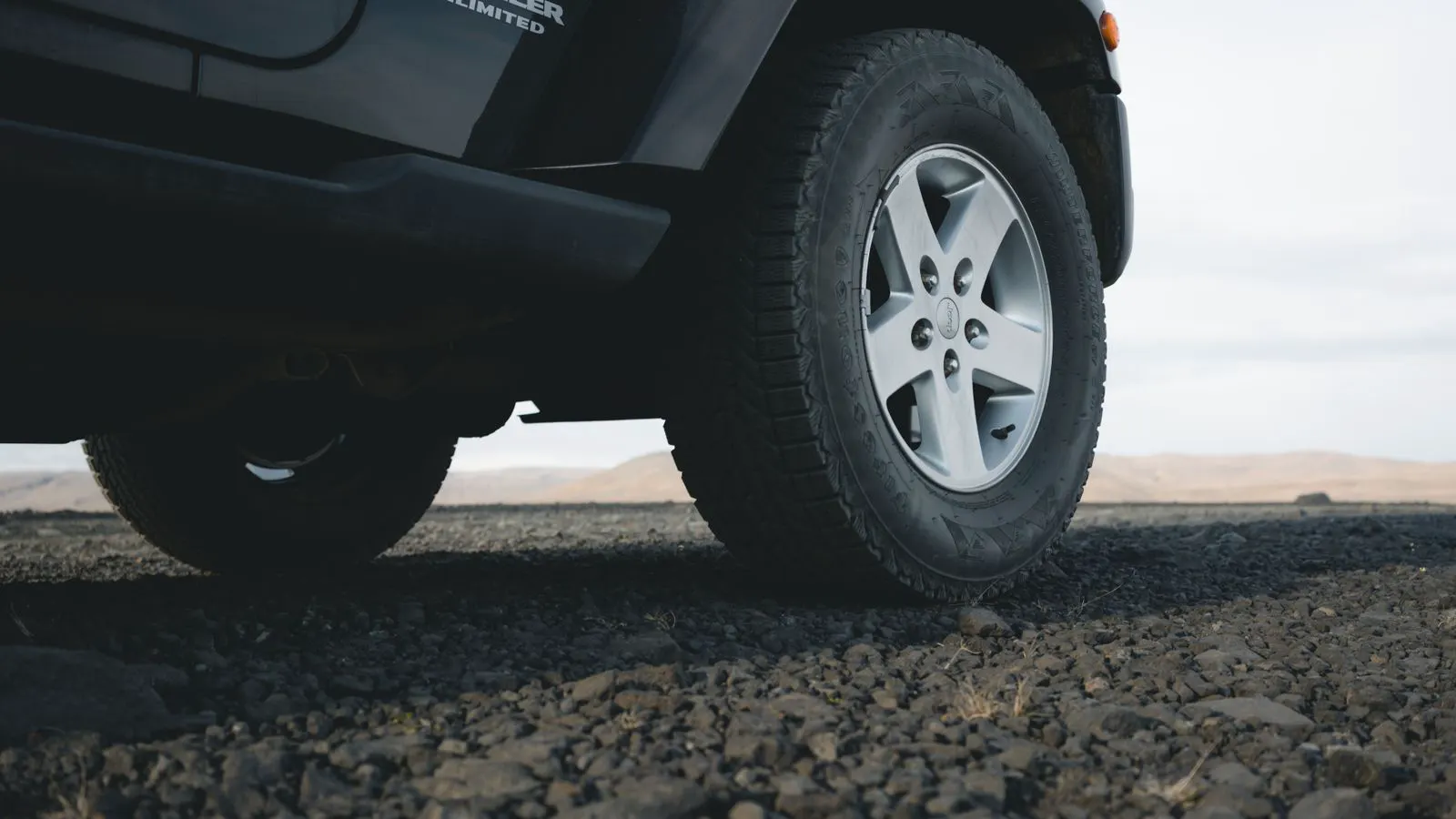
Light duty tires have lower unit costs but higher replacement frequency, while heavy duty tires cost more upfront but reduce total operating expenses through durability. Procurement decisions must weigh purchase price against expected service life, vehicle load, and operating conditions to determine the best total cost.
- Light duty tires offer a lower initial purchase price but require more frequent replacement due to shorter service life.
- Heavy duty tires command a higher unit cost but deliver longer tread life and better load capacity for professional vehicles.
- Duty cycle pricing reflects the intensity of use, with heavy daily mileage increasing the total cost of ownership for lighter tires.
- Procurement decisions should evaluate total cost of ownership rather than relying solely on the sticker price per tire.
How Unit Price Differs Between Tire Classes
Light duty tires typically cost less per unit than heavy duty tires. A standard passenger or light commercial tire often sells at a fraction of the price for a truck tire designed to carry heavy loads. The difference stems from material thickness, casing strength, and tread design complexity. A typical passenger tire casing uses a single ply or a few plies of fabric, while a heavy truck tire casing requires multiple plies of high-strength polyester or aramid to withstand the radial forces generated by a loaded axle.
Heavy duty tires use reinforced sidewalls and thicker rubber compounds. These materials resist the stress of high axle loads and prolonged use. The manufacturing process requires more raw materials and longer curing times. These factors drive up the initial invoice amount. The sidewall on a heavy truck tire must resist bulging when the tire is partially loaded or hit by a pothole. This structural requirement means the rubber compound must have higher tensile strength and tear resistance. The tread block on a heavy duty tire is also larger and deeper to accommodate the higher volume of material needed for traction and wear resistance.
When a buyer looks at a quote for a light truck tire versus a heavy truck tire, the per-unit price gap is immediate. However, the purchase price only represents a portion of the total expense. The remaining cost depends on how long the tire lasts and the labor involved in replacing it. A light duty tire may be replaced every six to twelve months depending on usage, while a heavy duty tire can remain on the vehicle for two to four years. The frequency of replacement changes the economic calculation significantly. A lower unit price does not always translate to a lower annual operating cost.
What Drives Commercial Tire Costs
Several factors influence the final commercial tire costs for any fleet or business. Raw material prices, such as carbon black and natural rubber, affect the baseline cost of production. Carbon black is used as a reinforcement and UV stabilizer in the rubber compound. Natural rubber provides elasticity and durability. Prices for these materials fluctuate based on global supply chains and harvest cycles. When raw material costs rise, the baseline cost of every tire increases, regardless of the tire class.
Labor costs in the manufacturing region also contribute to the final price. Tires are manufactured in specific plants where labor rates vary by region. A tire manufactured in a region with higher minimum wage standards will generally have a higher production cost than one made in a region with lower labor costs. This cost difference is passed through to the final invoice.
Vehicle application plays a major role. A tire for a delivery van faces different stresses than a tire for a construction vehicle. The van tire prioritizes fuel efficiency and quietness. The construction tire prioritizes puncture resistance and load bearing. These different performance goals create different price points. A van tire uses a softer compound to reduce rolling resistance and improve grip on wet pavement. This softness increases wear rate but improves comfort. A construction tire uses a stiffer compound with higher abrasion resistance. It wears slower but generates more heat and noise during operation.
Tread pattern and compound formulation also change the cost. Aggressive treads for off-road conditions often require more rubber and complex molding. Smooth or highway-oriented treads may use less material but wear differently. Buyers must match the tire specification to the vehicle’s actual operating environment. A tire with a deep, chunky tread pattern for mud or gravel requires more rubber volume. The molding process for these complex shapes takes longer and requires more skilled labor. A smooth highway tire uses less rubber and simpler molding, reducing production costs. However, a smooth tire wears faster on rough surfaces. The cost of the tire must be weighed against the cost of replacement if the tread fails prematurely due to a mismatched application.
The Role of Duty Cycle in Pricing
Duty cycle pricing reflects the intensity and duration of tire use. A vehicle that drives five hours a day on paved roads has a different duty cycle than a vehicle that operates twelve hours a day on rough terrain. The more severe the conditions, the faster the tire wears. Duty cycle is often measured in hours of operation per day and the load percentage relative to the tire’s maximum rating.
This reality affects the economics of light versus heavy duty tires. A light duty tire may wear out in half the time of a heavy duty tire under the same load. If a fleet uses a light tire that fails early, the labor cost for mounting and balancing increases. The purchase savings on the tire itself vanish. For example, if a light duty tire costs 40% less than a heavy duty tire but wears out twice as fast, the annual cost of the light tire is 50% higher. The labor cost for changing the tire adds further expense. The downtime required for the vehicle to be out of service also increases.
Heavy duty tires are engineered to handle higher stress levels. They maintain their structural integrity longer. While the initial cost is higher, the tire stays on the vehicle for more miles. This extends the service interval and reduces the frequency of maintenance stops. The heat generated inside the tire during high-load operation is a critical factor. Heavy duty tires have better heat dissipation capabilities due to their thicker rubber compounds and reinforced casings. This allows them to operate safely at higher temperatures without degrading.
Comparison of Tire Pricing Strategies
| Option | Best for | Limitations |
|---|---|---|
| Light Duty Tires | Passenger cars, light vans, short distance delivery | Shorter tread life, lower load capacity, higher replacement frequency |
| Heavy Duty Tires | Trucks, construction vehicles, long haul transport | Higher upfront cost, heavier weight, potential for higher rolling resistance |
| Medium Duty Tires | Mid-size commercial vehicles, mixed use applications | Compromise in load capacity, may not meet extreme load requirements |
| Specialty Tires | Specific off-road or industrial applications | Limited compatibility, specialized mounting requirements, niche availability |
When to Choose Light Duty Tires
Light duty tires make sense for vehicles that operate within standard load limits. A small business that uses vans for local office visits benefits from the lower purchase price. The expected mileage per tire is lower, so the shorter service life does not translate into frequent replacements. A typical light commercial van used for urban deliveries might cover 15,000 to 20,000 kilometers per tire life. This is sufficient for the vehicle’s operational needs without requiring frequent changes.
These tires are also lighter. Reduced unsprung weight can improve fuel efficiency in light vehicles. For a buyer focused on minimizing capital expenditure for a small fleet, light duty tires offer a lower barrier to entry. The initial investment is lower, which is beneficial for businesses with tight cash flow. The lower rolling resistance of light duty tires also translates to better fuel economy. For a vehicle that spends most of its time in city traffic, where fuel costs are a significant part of the operating expense, this efficiency gain is valuable.
The limitation is clear. If the vehicle regularly carries near its maximum payload, the tire may fail prematurely. The sidewall may bulge, or the tread may separate. In these cases, the cheaper initial price becomes a liability. A light duty tire used on a heavily loaded vehicle generates excessive heat. This heat degrades the rubber compound and weakens the casing. The tire may fail in a catastrophic manner, leading to a dangerous situation. The cost of a new light duty tire is not the only expense. The cost of vehicle downtime and potential safety incidents can far exceed the savings from the lower unit price.
When to Choose Heavy Duty Tires
Heavy duty tires are the standard for vehicles designed to carry significant weight. A construction fleet or a long distance hauler requires tires that can handle high axle loads without deforming. The reinforced casing prevents the damage that leads to early failure. A heavy duty tire must withstand the forces generated by a fully loaded truck. The casing must resist the radial forces that push the tire outward. The tread must resist the shear forces generated by the vehicle’s acceleration and braking.
These tires also feature tread patterns that shed debris and water effectively. In wet or muddy conditions, the deeper treads provide traction. The durability of the rubber compounds allows the tire to resist cracking and aging over time. Heavy duty tires are often designed with a “bias” or “radial” construction that allows them to flex without losing structural integrity. The rubber compound is formulated to remain flexible at low temperatures and harden at high temperatures. This thermal stability is critical for long haul transport, where the tire operates at high temperatures for extended periods.
The primary drawback is the higher cost per tire. For a one-time purchase, the budget impact is significant. However, for a fleet that runs high miles, the longer service life offsets the initial expense. The tire stays on the truck longer, reducing downtime and labor costs. A heavy duty tire might last 100,000 to 150,000 kilometers, compared to 40,000 to 60,000 kilometers for a light duty tire. The cost per kilometer drops significantly for the heavy duty tire. The labor cost for changing the tire is also higher for heavy duty tires due to their weight and complexity. However, the frequency of changes is lower, which reduces the total labor cost per year.
Evaluating Total Cost of Ownership
Procurement decisions should focus on total cost of ownership rather than unit price. To calculate this, a buyer must estimate the number of tire changes per year. A light duty tire might require two changes. A heavy duty tire might require one. The total cost of ownership includes the cost of the tires, the labor for installation, the cost of disposal, and the cost of vehicle downtime.
If the light tire costs 500 dollars and the heavy tire costs 1200 dollars, the light tire seems cheaper. However, if the light tire requires two sets per year, the annual cost is 1000 dollars. The heavy tire, lasting longer, costs 1200 dollars annually. The difference is small, but the labor and downtime costs for the light tire add further expense. The labor cost for changing a light duty tire might be 100 dollars per tire, while the labor cost for changing a heavy duty tire might be 300 dollars per tire. If the light duty tire is changed twice a year, the labor cost is 200 dollars per tire. The heavy duty tire is changed once a year, so the labor cost is 300 dollars per tire. The total labor cost for the light duty tire is 200 dollars, while the total labor cost for the heavy duty tire is 300 dollars. The total cost of ownership for the light duty tire is 1200 dollars (1000 tires + 200 labor), while the total cost of ownership for the heavy duty tire is 1500 dollars (1200 tires + 300 labor). The light duty tire is cheaper in this scenario.
This calculation changes when mileage increases. At high mileage, the heavy tire’s longer life becomes more advantageous. The per-mile cost drops significantly. For low mileage vehicles, the light tire may remain the better economic choice. The buyer must consider the specific operating conditions of the vehicle. A vehicle that drives 50,000 kilometers per year will have different cost implications than a vehicle that drives 150,000 kilometers per year. The higher the mileage, the more the longer service life of the heavy duty tire benefits the buyer.
Practical Steps for Accurate Pricing Comparison
- Identify the maximum load per axle for your vehicle. Check the manufacturer’s specifications to determine the required tire rating. The load rating is usually marked on the tire sidewall. A light duty tire might have a load rating of 100, while a heavy duty tire might have a load rating of 160. The load rating must be equal to or greater than the vehicle’s maximum axle load.
- Estimate the average annual mileage and operating conditions. Consider road surface type, weather patterns, and load consistency. A vehicle that drives on rough gravel roads will require a different tire than a vehicle that drives on smooth paved roads. The operating conditions affect the wear rate of the tire. A tire used on rough roads will wear faster than a tire used on smooth roads.
- Request quotes for at least two tire classes: light duty and heavy duty. Ensure the quotes include installation and disposal fees. The quote should include the cost of the tires, the labor for installation, and the cost of disposing of the old tires. This provides a complete picture of the total cost.
- Calculate the expected service life for each tire class based on similar vehicle usage data. Look for data on tire life for vehicles with similar operating conditions. If possible, consult with tire manufacturers or distributors for specific recommendations. The expected service life is a key factor in the total cost of ownership calculation.
- Divide the total cost by the expected number of miles to find the cost per mile for each option. The cost per mile is a useful metric for comparing different tire options. It allows the buyer to make a decision based on a standardized measure. The cost per mile should be calculated for both the light duty and heavy duty tires.
- Select the tire that offers the lowest cost per mile while meeting the safety and performance requirements. The tire with the lowest cost per mile is not always the best choice. The buyer must also consider the safety and performance requirements of the vehicle. A tire that meets the safety and performance requirements but has a higher cost per mile may be the better choice. The buyer should also consider the availability of the tire and the service network for that tire.
Frequently asked questions
Do light duty tires always cost less than heavy duty tires?
Generally, light duty tires have a lower unit price than heavy duty tires. However, specialty light duty tires for specific applications can sometimes cost more than standard heavy duty tires.
How does vehicle load affect tire pricing?
Higher load requirements necessitate stronger casings and more material, which increases the manufacturing cost. Tires rated for heavy loads command higher prices to reflect this additional complexity and material usage.
Can I use light duty tires on a heavy truck?
No, using light duty tires on a heavy truck is unsafe and likely to cause premature failure. The tire rating must match the vehicle's load capacity to prevent blowouts and structural damage.
What is the biggest hidden cost in tire pricing?
Labor and downtime are the major hidden costs. Frequent tire replacements require technician time and vehicle unavailability, which adds significant expense beyond the purchase price.
How often should I review my tire procurement strategy?
Review your strategy at least annually or when vehicle usage patterns change. Changes in route, load, or fleet size can shift the optimal tire choice from light to heavy duty.