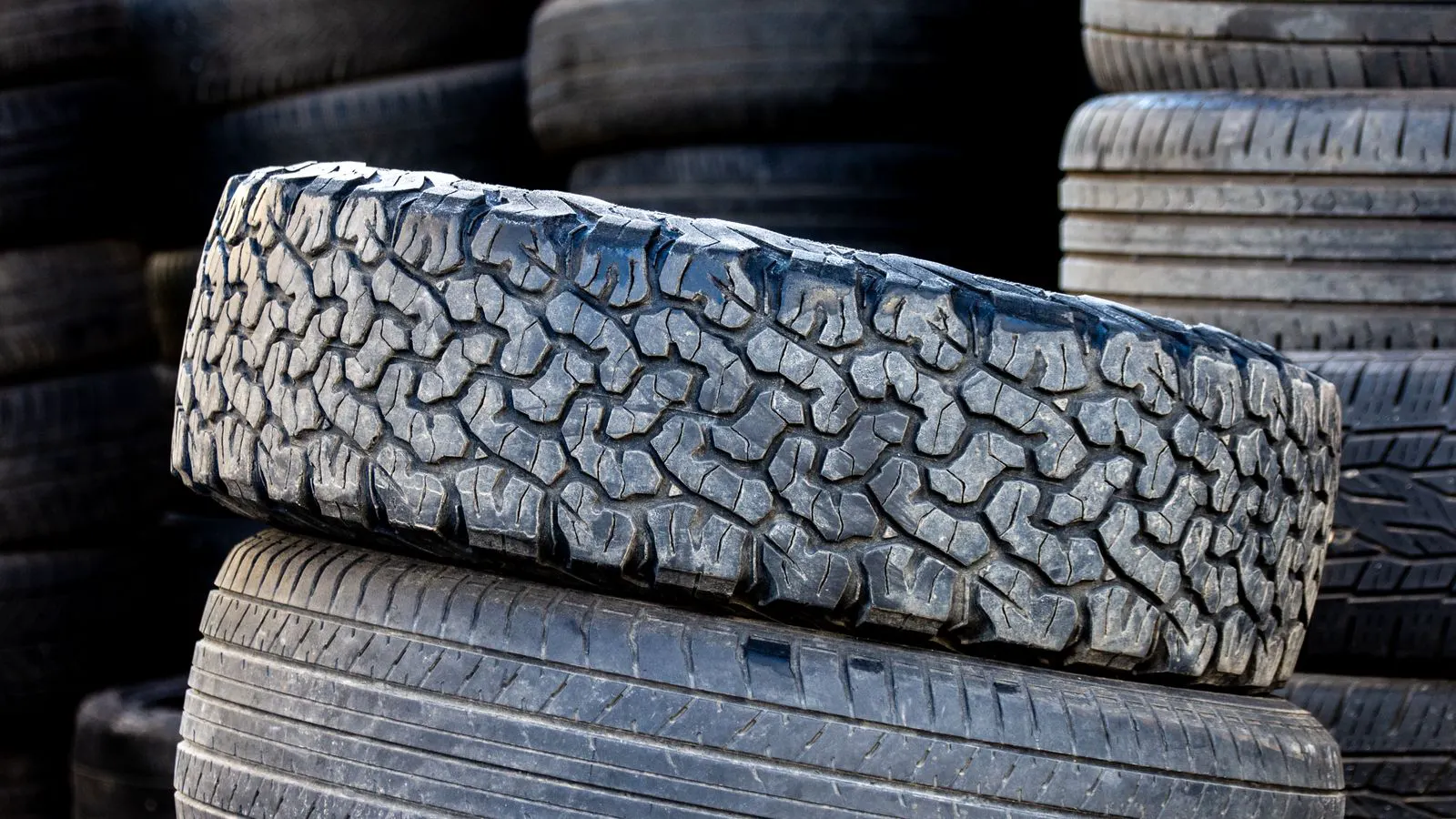
Winter tire ratings focus on low-temperature traction and snow performance, while all-season labels cover a broader temperature range. This guide compares the technical differences in rating systems to help buyers select the right specification for their fleet or application.
- Winter ratings prioritize low-temperature compound behavior and snow grip over highway speed limits.
- All-season labels balance traction across a wider temperature band, sacrificing peak winter performance.
- Temperature ratings indicate the thermal window where a tire maintains its specified chemical structure.
- Labeling differences matter for compliance, fleet planning, and seasonal rotation strategies.
- Buyers must match the rating type to the specific operating environment and regulatory requirements.
The Core Difference in Rating Systems
Winter tire ratings and all-season performance labels serve different engineering goals. A winter tire is formulated for low-temperature operation, where rubber stiffens and loses contact with the road surface. The rating system for these tires highlights snow depth, ice grip, and low-temperature flexibility. An all-season tire, by contrast, targets a compromise. It must perform adequately in rain, dry pavement, and light snow, but it will never match the peak grip of a dedicated winter profile in deep snow or on black ice.
For professional buyers and engineers, the choice is rarely about comfort. It is about risk management. A fleet operating in a climate with frequent sub-zero temperatures requires winter-specific specifications. A vehicle that travels primarily in mild climates, with occasional exposure to light snow, may find an all-season profile sufficient. Misreading the labels leads to underperformance and increased wear.
How Winter Ratings Measure Performance
Winter tire ratings are built around the physics of cold weather. The primary metric is low-temperature traction. This is not just about how fast a tire accelerates. It is about how much friction exists between the rubber compound and the road surface when the temperature drops below freezing. The rubber in a winter tire contains softer polymers that remain pliable at low temperatures. This allows the tread blocks to conform to the road texture.
The rating also reflects snow penetration. Tread depth, siping density, and block spacing all contribute to how the tire pushes slush away from the contact patch. A high snow rating indicates that the tire maintains traction in deep, unconsolidated snow. Ice grip is another factor, though it varies by compound type. Studded winter tires, where legal, provide a mechanical advantage on packed ice. Unstudded tires rely on compound adhesion and tread design.
The temperature rating for winter tires is not a single number. It is an implicit threshold. The tire is designed to operate effectively down to specific low temperatures. Below that point, the compound hardens, and traction drops. Above that point, the tire may wear excessively rapidly because the soft compound is not optimized for heat.
How All-Season Labels Define Performance
All-season performance labels use a different logic. These tires are tested in a mix of conditions. The rating reflects how the tire maintains grip in rain, dry pavement, and light snow. The compound is stiffer than a winter tire to handle heat and wear. This stiffness reduces the tire’s ability to conform to cold, wet surfaces.
The temperature rating here is a range. The tire is designed to function from mild winter conditions to hot summer days. The label does not claim to handle deep snow or black ice. It promises balanced performance. If the weather falls outside this range, the tire will struggle. In heavy snow, an all-season tire may hydroplane or lose grip. In extreme heat, it may wear unevenly.
The tread design of an all-season tire is a compromise. It has sipes for light snow and grooves for water evacuation. The blocks are larger than in a winter tire to reduce noise and improve highway stability. This design works well on paved roads but lacks the aggressive contact patch needed for off-road or snowy conditions.
Comparison Table: Winter vs All-Season Ratings
The following table compares the key aspects of winter and all-season tire ratings. This overview helps buyers quickly assess the differences in labeling and performance.
| Option | Best for | Limitations |
|---|---|---|
| Winter Tire Ratings | Fleets in sub-zero climates, regions with heavy snowfall, and safety-critical applications. | Poor performance in hot weather, increased wear on dry pavement, and potential regulatory restrictions in some regions. |
| All-Season Ratings | Mixed-climate areas, urban commuting, and light snow exposure. | Reduced grip on ice and deep snow, shorter tread life in high-heat conditions, and higher rolling resistance in some designs. |
| Studded Winter Ratings | Regions where studded tires are legal and ice grip is the primary concern. | Noise, road wear, seasonal legal restrictions, and increased cost. |
| Highway All-Season Labels | Long-distance travel on paved roads with mild weather. | No capability for deep snow or ice, and performance drops in wet cold conditions. |
| Touring All-Season Labels | Passenger vehicles prioritizing comfort and noise reduction. | Lower traction in adverse weather, and less durable tread compounds. |
Temperature Ratings and Compound Chemistry
Temperature ratings are often misunderstood. They are not just about the outside air temperature. They are about the road surface temperature. The road surface can be colder or warmer than the air, especially in shade or on wet asphalt. A temperature rating of 40 degrees Fahrenheit for a winter tire means the compound maintains its elasticity at that road surface temperature. Below that point, the rubber hardens.
All-season tires have a temperature range. The lower limit is where the compound starts to lose flexibility. The upper limit is where the compound begins to degrade rapidly. The goal of all-season design is to stretch this range as wide as possible. This is achieved through a blend of softer and harder rubber compounds. The result is a tire that performs acceptably in many conditions but peaks in none.
Understanding this chemistry is critical for fleet management. A tire with a low-temperature limit of 30 degrees Fahrenheit will struggle in a region where road temperatures drop to 20 degrees. The compound will be too stiff to conform to the surface. Traction will drop, and stopping distances will increase. The same tire in a region with road temperatures above 90 degrees will wear quickly. The soft compounds that provide cold-weather grip will break down in the heat.
Regulatory and Labeling Implications
Tire labeling is not just about performance. It is about compliance. Different regions have different labeling standards. The EU Tyres Label, for example, requires specific performance metrics to be displayed on the sidewall. These metrics include rolling resistance, wet grip, and noise levels. Winter tires may have additional symbols or ratings that indicate their suitability for cold weather.
Buyers must ensure that the labels on their tires match the regulatory requirements of the region where the vehicle operates. A tire rated for winter use may not be legal in certain areas during specific months. An all-season tire may be legal year-round but may not meet the performance standards required for winter operation in some jurisdictions.
For commercial vehicles, the labeling is even more critical. The EU Tyres Label for Commercial Vehicles includes specific ratings for load and speed. These ratings must be compatible with the vehicle’s operational profile. A tire rated for light commercial use may not be suitable for a heavy-duty truck. The temperature rating must also align with the expected operating conditions.
Choosing the Right Rating for Your Application
Selecting the right tire rating starts with a clear understanding of the operating environment. If the vehicle operates primarily in a region with frequent snowfall and sub-zero temperatures, winter tire ratings are the standard. The benefits of improved traction and safety outweigh the higher cost and seasonal rotation requirements.
If the vehicle operates in a region with mild winters and occasional light snow, an all-season label is sufficient. The tire will perform well in rain and dry conditions, and it will handle light snow without issue. However, it will not match the safety of a winter tire in heavy snow or on ice.
For fleets that operate across multiple climates, the solution is often a dual-tying strategy. Vehicles are equipped with winter tires during the cold season and all-season tires during the warm season. This ensures optimal performance in each climate. It also extends the life of both tire sets.
Common Mistakes in Reading Ratings
One common mistake is assuming that a higher temperature rating means better performance. A tire rated for 90 degrees Fahrenheit is not necessarily better than a tire rated for 40 degrees Fahrenheit. The rating indicates the thermal window where the tire is designed to operate. A tire with a high temperature rating may have a soft compound that wears quickly in the heat. A tire with a low temperature rating may have a stiff compound that performs poorly in the cold.
Another mistake is ignoring the tread depth. A tire with a high performance rating but a worn tread will not perform as expected. The tread is what provides the contact patch and the ability to evacuate water and snow. A worn tire will hydroplane and lose grip, regardless of its original rating.
Finally, buyers often overlook the speed rating. A tire with a high speed rating is designed to handle heat generated at high speeds. A tire with a lower speed rating is designed for lower speeds and may overheat if used at higher speeds. The speed rating must match the vehicle’s maximum operating speed.
Conclusion
Winter tire ratings and all-season performance labels are not interchangeable. They are designed for different environments and serve different safety needs. Winter tires prioritize low-temperature traction and snow grip. All-season tires prioritize balanced performance across a wider range of conditions.
For professional buyers and engineers, the choice is about matching the tire specification to the operating environment. A fleet in a cold climate needs winter ratings. A fleet in a mild climate can use all-season ratings. Understanding the technical differences in these labels ensures that the vehicle operates safely and efficiently.
The temperature rating is a key part of this equation. It indicates the thermal window where the tire maintains its performance. Buyers must ensure that the tire is used within this window. Using a tire outside its rated temperature range leads to poor performance, increased wear, and safety risks.
By carefully reading the labels and understanding the underlying chemistry, buyers can make informed decisions. The goal is not to find the “best” tire. The goal is to find the right tire for the job.
Frequently asked questions
Can an all-season tire replace a winter tire in heavy snow conditions?
No. All-season tires are designed for light snow and mild conditions. In heavy snow or on ice, they lack the compound and tread design needed for safe traction.
What does a temperature rating of 40 degrees Fahrenheit mean for a winter tire?
It means the tire compound is designed to maintain flexibility and traction at road surface temperatures down to 40 degrees Fahrenheit. Below this point, the rubber hardens and grip decreases.
Do winter tires have a higher speed rating than all-season tires?
Not necessarily. Winter tires often have lower speed ratings because they are designed for low-temperature operation, not high-speed highway driving. All-season tires can have higher speed ratings for highway use.
How do regulatory labels affect the choice between winter and all-season tires?
Regulatory labels define which tires are legal for use in specific regions and seasons. A tire must meet the local labeling standards to be legally operated on public roads.
Can I use an all-season tire year-round in a region with occasional snow?
Yes, but with caution. All-season tires can handle light snow and ice, but they will not perform as well as winter tires in heavy snow or on black ice. Always check the tire's tread depth and condition before relying on them in winter.