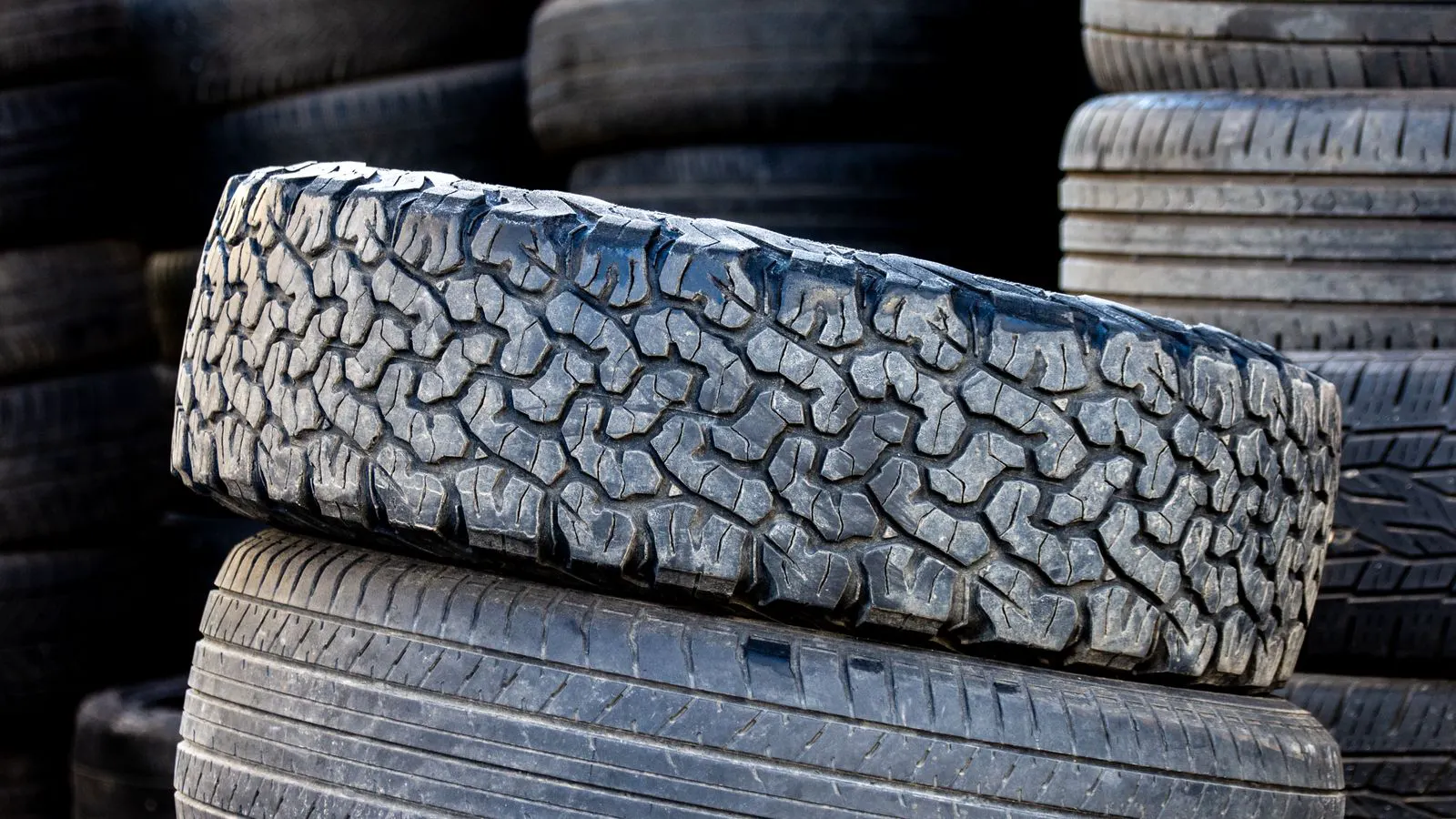
DOT 140 defines minimum safety and performance requirements for tires sold in the U.S. market. It sets rules for construction, markings, and testing. Understanding these rules helps buyers verify compliance and avoid nonconforming inventory.
- DOT 140 requires manufacturers to declare speed and load ratings on the sidewall.
- The standard links tire construction to specific use cases and service limits.
- Buyers should verify markings against fleet operating conditions to avoid overloading.
- FMVSS 120 and 122 form the technical backbone of DOT 140 compliance.
- Regular inspections catch degraded tires before they become safety risks.
What is DOT 140 and who regulates it
DOT 140 is a set of federal requirements governing tires sold in the United States. The Department of Transportation enforces these rules through two primary agencies. The Federal Motor Carrier Safety Administration focuses on commercial vehicles and heavy-duty transport. The National Highway Traffic Safety Administration oversees consumer and passenger vehicles. Together, they define the technical, construction, and performance boundaries for tires entering U.S. supply chains.
This standard creates a mandatory baseline. It is not a voluntary certification. If a tire lacks the required markings or fails the specified performance tests, it cannot legally enter the U.S. market. For commercial buyers, this standard serves as a primary verification tool. You rely on the sidewall markings to confirm that the tire matches the vehicle configuration, the legal weight limits, and the intended duty cycle. Without these markings, the tire is non-compliant and poses a significant liability risk during regulatory inspections.
How DOT 140 defines speed and load ratings
The sidewall of a compliant tire displays two key figures that define its operational limits. The load index is a number that indicates the maximum weight the tire can safely carry. The speed rating is a letter that indicates the maximum sustained speed for which the tire is engineered. These two values work together to define the safe operating envelope of the tire.
For example, a “C” speed rating generally suits slower service, such as urban delivery or short haul. In contrast, an “H” or “V” rating suits higher-speed operation, such as interstate travel or mixed-duty fleets. A load index of 100 carries a different weight limit than an index of 140. The exact pound or kilogram value depends on the specific tire size and ply rating, but the relative difference matters significantly for fleet planning. If you assign a high-load tire to a low-load vehicle, you may experience excessive tire flexing and premature wear. If you assign a low-load tire to a heavy truck, you risk overheating and structural failure.
| Rating Type | Typical Application | Sourcing Consideration |
|---|---|---|
| Low load index | Light trucks, short haul | Lower cost, shorter lifespan under heavy loads |
| High load index | Heavy trucks, long haul | Higher cost, better thermal management |
| Lower speed rating | Urban delivery, low speed | Cheaper, not for highway use |
| Higher speed rating | Interstate travel, mixed use | Higher cost, better heat dissipation |
When sourcing, match the index and letter to the actual Gross Vehicle Weight Rating of your fleet. Do not assume that a higher rating is always better. A tire with a higher speed rating often uses softer rubber compounds that degrade faster in low-speed, high-torque applications.
The role of FMVSS standards in tire compliance
FMVSS standards provide the technical detail behind the DOT 140 umbrella. FMVSS 120 covers the construction and labeling of tires. FMVSS 122 addresses the performance testing of those tires. These two regulations work together to ensure that what is printed on the sidewall is backed by actual engineering and laboratory testing.
FMVSS 120 requires that the tire construction be adequate for the claimed load and speed. It mandates that the DOT code be present and legible on the tire sidewall. The code serves as a unique identifier for the specific tire unit. FMVSS 122 requires that the tire withstand specific test conditions in a controlled environment. These tests verify that the tire does not fail under maximum load or speed over a defined period. The tests include load inflation, static load, and dynamic endurance cycles.
When a supplier claims a tire meets DOT 140, they are effectively claiming it meets both FMVSS 120 and FMVSS 122. Buyers should treat the DOT code as a certificate of compliance, not just a marketing label. If a tire lacks the code, it is not a DOT 140 compliant product. It is a non-compliant product that cannot be legally sold in the United States.
How to read the DOT code on a tire sidewall
The DOT code is a string of digits and letters printed on the tire sidewall. It identifies the manufacturer, the country of origin, and the week of production. The first two digits represent the year of manufacture. The last two digits represent the week. The middle section identifies the specific plant and the tire model.
This information helps buyers track inventory and manage age-related degradation. If a tire is older than expected, it may have degraded even if it has low tread wear. Age-related cracking in the sidewall or belt area is a common failure mode. Rubber hardens and becomes brittle over time. UV exposure and ozone accelerate this process. Inspecting the DOT code during receiving and periodic checks helps prevent these failures.
A worked example: A fleet manager receives a pallet of tires. The DOT code shows the tires were made in the 38th week of the previous year. The tires have been sitting in a warehouse for two years. The manager checks the sidewall for cracks. If cracks appear, the tires may fail before reaching the end of their service life. The DOT code reveals the age, allowing the manager to adjust the replacement schedule. In this scenario, the manager might decide to use the tires on lower-stress routes or replace them immediately if the fleet operates in extreme climates.
Why durability and safety compliance affect sourcing decisions
Durability is not just about tread depth. It is about how the tire behaves under heat, load, and vibration. DOT 140 requires that tires maintain structural integrity under these conditions. A tire that meets the standard should not fail prematurely under normal use. However, “normal use” is defined by the vehicle’s operating profile. A tire designed for city driving may fail quickly on a highway if the heat build-up exceeds its design capacity.
Safety compliance is about preventing accidents. A tire that fails on the highway can cause a crash. DOT 140 is designed to reduce this risk by setting minimum performance levels. When sourcing tires, buyers should look for evidence of compliance. This includes checking the sidewall markings, reviewing the supplier’s documentation, and verifying the DOT code. The supplier should be able to provide the test reports or compliance certificates if requested.
A common mistake is buying tires based on price alone. A cheaper tire may meet the basic standard but may not perform well in the specific duty cycle. For example, a tire rated for low speed may overheat if used for highway travel. The DOT code tells you the limit, but you must match the limit to the use case. If your fleet operates at 70 mph or higher, you need a tire with a speed rating of at least “H”. If your fleet carries near-maximum load, you need a load index that matches the Gross Vehicle Weight Rating.
How DOT 140 interacts with other tire labels
The DOT 140 standard works alongside other labeling systems. The EU Tyres Label provides information on fuel consumption, wet grip, and noise. UTQG ratings provide information on treadwear, traction, and temperature. These labels serve different purposes and should not be confused with the DOT compliance standard.
DOT 140 is a minimum compliance standard. It tells you if a tire is legal to sell in the U.S. EU and UTQG labels tell you how the tire performs in specific categories. A tire can be DOT 140 compliant and still have a low EU fuel efficiency rating. A tire can be DOT 140 compliant and still have a low UTQG traction rating. The EU label is often more relevant for passenger vehicles and light trucks where fuel economy is a primary concern. The UTQG rating is often more relevant for passenger cars where treadwear and wet grip are top priorities.
Buyers should not confuse these labels. DOT 140 is the baseline. Other labels are value-adds. When making a purchasing decision, start with DOT 140 compliance. Then look at EU or UTQG ratings to find the best fit for the fleet’s specific needs. For a heavy-duty commercial fleet, the EU label may be less relevant. The focus should be on load capacity, speed rating, and durability. For a light commercial vehicle, the EU label may provide useful insights into fuel efficiency and rolling resistance.
What to check during tire inspections
DOT 140 compliance can degrade over time. The tire may have been compliant when it was new, but it may not be after years of use. Inspections should check for wear, damage, and age. The goal is to catch issues before they become safety hazards.
Look for uneven wear. This can indicate alignment issues or improper inflation. Cupping or feathering often points to suspension problems or low pressure. Sidewall cuts or bulges are signs of internal damage. A bulge indicates that the internal structure has failed and the rubber is expanding outward. This is a critical failure mode that requires immediate replacement.
Look for the DOT code. If it is missing or illegible, the tire may be noncompliant. In many jurisdictions, driving a vehicle with a non-compliant tire is a traffic violation. It also voids the manufacturer’s warranty. If the code is obscured by dirt or damage, clean it immediately. Do not guess the age or origin of the tire.
Inflation pressure is another key factor. DOT 140 requires tires to be inflated to a specific pressure for the load they carry. Under-inflation causes overheating and premature failure. It leads to excessive flexing of the sidewall. Over-inflation causes reduced traction and a harsher ride. It also increases the risk of punctures from road debris. Checking pressure regularly helps maintain compliance. The correct pressure is usually printed on a placard inside the vehicle door frame or in the owner’s manual.
A practical tip: Keep a log of tire inspections. Record the DOT code, the date, the mileage, and any observations. This log helps you track tire life and identify patterns. If a batch of tires fails early, the log can help you trace the problem back to the manufacturer or the installation. It also provides a paper trail for insurance claims or regulatory audits.
The bottom line for fleet buyers
DOT 140 is the foundation of tire safety in the U.S. It ensures that tires meet minimum standards for load, speed, and durability. Understanding this standard helps you make informed purchasing decisions and maintain a safe fleet. The standard is not optional. It is a legal requirement.
Do not rely on the supplier’s word alone. Check the sidewall. Verify the DOT code. Match the ratings to your operating conditions. Keep tires in good condition through regular inspections and proper inflation. These steps protect your fleet and your drivers. They also reduce downtime and unexpected repair costs. By treating DOT 140 as a non-negotiable baseline, you ensure that your tire procurement is both legal and effective.
Frequently asked questions
What is the difference between DOT 140 and FMVSS 120?
DOT 140 is the umbrella term for tire compliance rules in the U.S. FMVSS 120 is the specific regulation that covers tire construction and labeling. DOT 140 includes FMVSS 120 and other related rules.
How do I verify if a tire is DOT 140 compliant?
Look for the DOT code on the sidewall. Check that the speed and load ratings are clearly marked. Verify that the manufacturer's name and country of origin are present. If any of these are missing, the tire may not be compliant.
Does DOT 140 apply to all tires?
Yes, DOT 140 applies to all tires sold in the United States. This includes passenger, light truck, and commercial tires. The specific requirements may vary by tire type, but the baseline compliance is mandatory.
Can a tire be DOT 140 compliant but still fail?
Yes. A tire can meet the initial standard but fail due to age, misuse, or damage. DOT 140 sets a baseline, not a guarantee of infinite life. Regular inspections and proper maintenance are still required.
What happens if a tire is not DOT 140 compliant?
It cannot be legally sold or used on public roads in the U.S. Buyers should avoid noncompliant tires as they may not meet safety requirements and could result in liability issues.