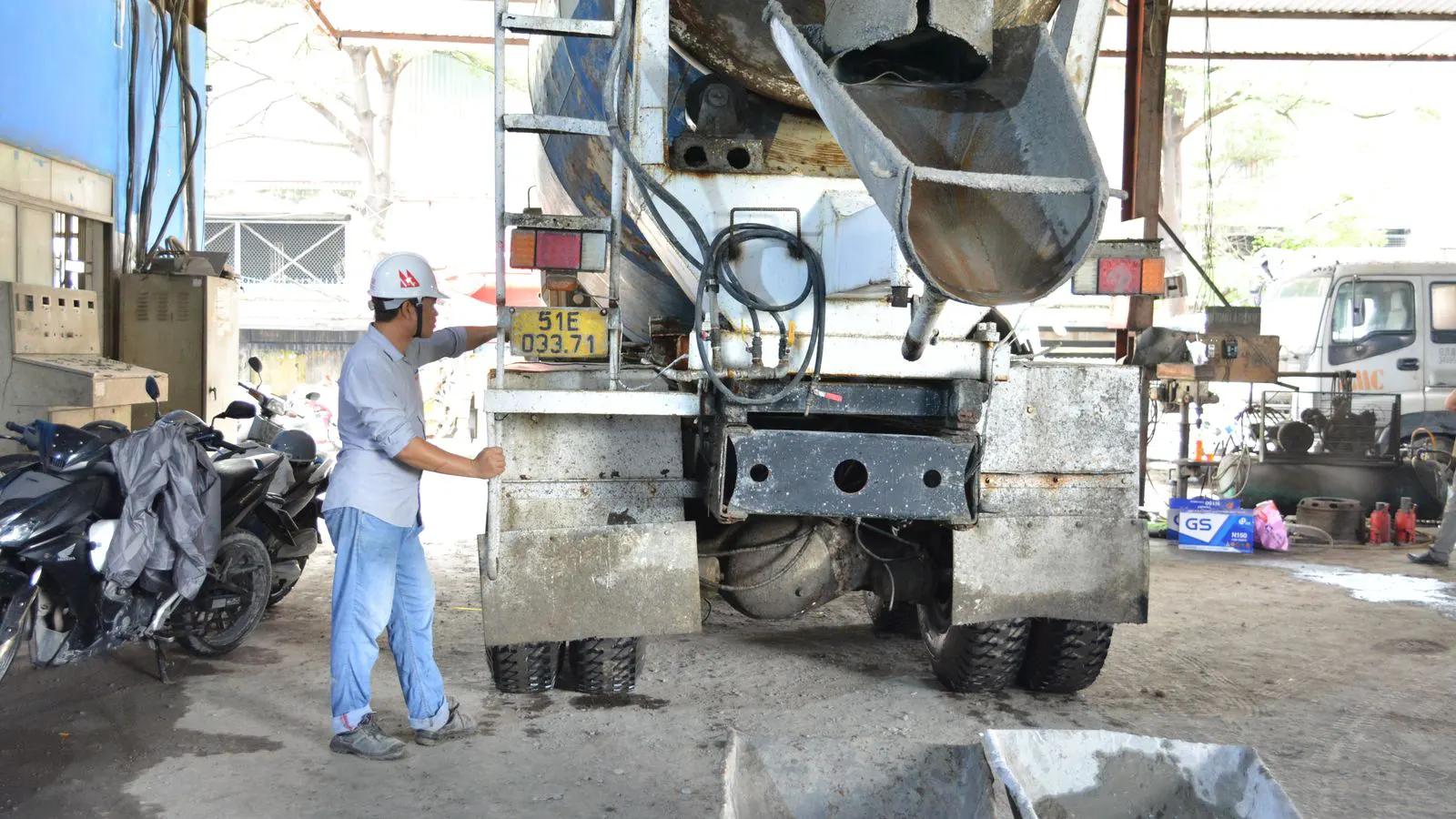
A structured fleet tire maintenance checklist helps operators standardize tire inspection, maintenance schedules, and fleet management protocols. It reduces unplanned downtime, protects load integrity, and supports safety compliance across mixed truck and bus fleets.
- Standardize tire inspection intervals and document findings to make fleet tire maintenance repeatable and auditable.
- Track tire wear, pressure, and service history by axle position to catch uneven load transfer early.
- Use a fixed maintenance schedule for torque checks, rotation, and pressure calibration to prevent avoidable failures.
- Red flags such as cupping, slow pressure loss, or sidewall damage require immediate removal from service.
- Pair physical checks with fleet management records so the same tire or axle is not repeatedly under- or over-serviced.
What belongs on a daily pre-trip tire inspection
Daily checks are the front line of fleet tire maintenance. They take minutes but catch the problems that cause breakdowns. The inspection should cover every tire on the unit, including the spare. The operator or driver should walk around the vehicle and look for visible damage before the engine starts.
Check the tread depth first. Use a gauge or a standard reference coin method that your fleet manual defines. The goal is to confirm that the tread is above the legal or company minimum. Even if the tire is legal, a shallow tread on a bus or heavy truck reduces wet traction and increases the chance of a hydroplaning event.
Next, inspect the sidewall. Look for bulges, cuts, exposed cords, or embedded objects. A bulge is a structural failure sign. Do not drive on a tire with a visible sidewall injury. Also look for stone chipping, which often appears as a small nick near the shoulder. If the nick is deep enough to feel the cord layer, the tire needs professional inspection.
Pressure is the other daily priority. Check cold pressure, not hot pressure. Hot readings are inflated by friction and give a false sense of security. Compare the reading against the placard or fleet specification for that axle position. A pressure loss of even a small number of psi over a shift can indicate a slow leak or a damaged valve stem.
Document the findings. A simple log or digital entry should record the date, vehicle ID, tire position, pressure reading, and any visible defects. This record supports fleet management and makes it easier to track which tires are wearing out of pattern.
How often should you perform a full tire inspection?
A full inspection goes beyond the daily walk-around. It includes measuring tread depth at multiple points, checking for uneven wear, inspecting the rim, and verifying that the tire is the correct specification for the axle. The frequency depends on the operating profile, but a reasonable baseline is every 5,000 to 10,000 miles for heavy-duty truck and bus fleets.
High-mileage or mixed-use vehicles may need more frequent checks. A bus that operates in stop-and-go city traffic will heat tires differently than a long-haul truck. A truck that carries heavy loads on steep grades will show shoulder wear faster. Adjust the schedule based on what the data shows.
Use a consistent method for measuring tread. Check the center and both edges of the tread at multiple points across the width. Record the lowest reading. If the tire shows a distinct wear pattern, such as cupping or feathering, the full inspection should include a review of the alignment, suspension, and load distribution.
The full inspection also covers the rim. Look for cracks, bent flanges, or corrosion. A damaged rim can cause a tire to seat unevenly and create a slow leak or a blowout risk. Clean the rim face and check the lug nuts for proper torque. If a lug nut is loose or missing, the tire must not be returned to service.
What does a standard maintenance schedule include?
A maintenance schedule turns tire care into a repeatable process. It defines what is checked, when, and by whom. Without it, fleet tire maintenance becomes reactive. With it, the same tasks happen in the same order, and gaps become visible.
The schedule should include tire rotation, torque verification, pressure calibration, and tread measurement. Rotation helps even wear across the fleet, especially when steer and trailer tires have different load and heat profiles. Torque verification prevents wheel wobble and uneven load transfer. Pressure calibration ensures the gauge is accurate and the inflation target is correct.
The schedule should also include a review of the spare tire. A spare that has been stored for years may have a dry-rotted sidewall or a low-pressure valve. It is not a maintenance item that should be forgotten until a failure occurs.
Keep the schedule tied to the vehicle, not just the tire. A truck with a history of slow leaks or a bus that operates in a high-salt environment may need more frequent rim cleaning and valve inspection. The fleet management system should flag these vehicles for extra attention.
What red flags require immediate action
Some tire conditions are not suitable for the next trip. They require immediate removal from service and a professional assessment. The following are common red flags.
| Red Flag | What It Means | Required Action |
|---|---|---|
| Sidewall bulge | Structural damage inside the casing | Do not drive. Replace or rebuild if possible. |
| Exposed belt cords | Tread failure or cut damage | Do not drive. Replace the tire. |
| Pressure drop over 10 psi in 24 hours | Slow leak or valve failure | Inspect valve, rim, and tread for cuts. |
| Deep cupping or feathering | Alignment, suspension, or load issue | Check alignment and suspension before continuing. |
| Loose or missing lug nut | Wheel not secured properly | Do not drive. Torque to specification. |
| Tread at or below legal minimum | Reduced traction and safety risk | Replace or move to a lower-load axle. |
A red flag is not a reason to “watch it for a while.” In a mixed fleet, a single bad tire can become a fleet-wide problem if it is allowed to continue in service. The checklist should have a clear rule: if a red flag is present, the vehicle is tagged out of service until the issue is resolved.
This rule also protects the driver. A driver who reports a tire problem and is told to continue may be exposed to a failure that is not their responsibility. A clear red-flag policy reduces that risk and creates a documented decision.
How to make fleet management records useful
Fleet management is not just a software tool. It is the system that connects the physical tire to its service history. The goal is to know what happened to each tire, where it is now, and what it needs next.
The records should include the tire position, installation date, mileage at installation, and any service events. They should also include the next scheduled inspection date and the pressure target for that axle. If a tire is moved to a different axle or vehicle, the record should reflect that change.
Use the records to spot patterns. If a particular axle position always shows low pressure, the issue may be a valve type, a rim seal, or a load distribution problem. If a particular tire size wears out faster in one fleet, the cause may be alignment, steering geometry, or a specific route.
The records also support compliance. Many jurisdictions require that tire inspections be documented and that pressure be maintained to a specified level. A well-kept fleet management file makes it easier to show that the operator followed a defined maintenance schedule.
Finally, use the records to make purchasing decisions. If a tire brand or size consistently shows a short service life on a particular axle, the fleet can evaluate alternatives before the next purchase. The data is only useful if it is captured consistently.
How to train drivers and technicians on the checklist
A checklist only works if the people using it understand it. A driver who does not know the difference between a slow leak and a structural cut will either ignore the problem or overreact. A technician who does not follow the same inspection standard will create gaps in the fleet tire maintenance process.
Training should be hands-on. Show the driver how to use the tread gauge, how to check cold pressure, and how to document a finding. Show the technician how to inspect the rim, how to verify torque, and how to record the service in the fleet management system.
Use real examples from the fleet. If a tire had a slow leak that was caught early, show that record. If a tire failed because a red flag was missed, review that incident without blame. The goal is to build a shared understanding of what the checklist is trying to prevent.
Make the checklist easy to use. A long document that no one reads is worse than no document. Keep the daily check short and the full check detailed. Use clear language and simple fields. The checklist should take the minimum time needed to catch the problems that matter.
How to adapt the checklist to your fleet
A one-size-fits-all checklist can miss the specific risks of your operation. A fleet that runs mostly long-haul trucks will have different wear patterns than a fleet of city buses. A fleet that operates in a cold climate will see different pressure behavior than one in a hot climate.
Start with a baseline checklist and then adjust it. Add items for specific risks. If the fleet operates on routes with lots of gravel, add a check for stone chipping and embedded objects. If the fleet uses a particular tire size that is known to show shoulder wear, add a more frequent tread measurement at the edges.
Keep the checklist under review. After each quarter, review the fleet management records and look for trends. If a particular tire position is consistently failing, the checklist may need a new check. If a particular maintenance task is not catching a problem, the procedure may need to change.
The best fleet tire maintenance program is not the one with the most rules. It is the one that is actually used, consistently documented, and adjusted when the data shows it needs to change.
Frequently asked questions
How often should I check tire pressure in a fleet?
Check cold pressure daily or at least once per shift before the vehicle enters service. Compare the reading to the fleet specification for that axle position and document any loss.
What is the difference between a daily check and a full tire inspection?
A daily check is a visual and pressure review done before service. A full inspection includes tread measurement, rim condition, torque verification, and a review of wear patterns.
Can I continue driving if a tire has a small sidewall cut?
No. Any cut that reaches the cord layer or shows a bulge should be removed from service. A small nick that does not reach the cord may be monitored, but it should be documented and checked at the next inspection.
How do I know if my tire rotation schedule is too long?
Look at the wear data. If a tire shows uneven wear, cupping, or feathering before the next rotation, the schedule may be too long for that application. Adjust based on the fleet management records.
What should I do if a tire pressure drops slowly over a week?
Inspect the valve stem, the rim seal, and the tread for slow leaks. If the cause is not found, replace the valve or the tire. Do not assume the loss is normal.