Truck tire blowouts stem from underinflation, damage, and load stress. This guide lists common symptoms, likely causes, and fixes, then outlines practical blowout prevention steps for fleet operators.
- Underinflation is the leading cause of tire failure due to heat buildup and casing stress.
- Regular visual inspections catch sidewall damage, embedded objects, and tread separation before they cause blowouts.
- Proper load management and inflation pressure checks prevent premature tire failure.
- Maintaining wheel alignment and axle health reduces uneven wear and stress points.
- Documenting tire wear patterns helps identify systemic issues affecting multiple tires.
What Are the Most Common Symptoms of a Truck Tire Blowout
A tire blowout on a truck does not always happen without warning. In many cases, small signs appear weeks or months before the tire fails completely. Operators who watch for these symptoms can often intervene before a catastrophic failure occurs. The visual and mechanical cues are often subtle to a casual observer, but they are distinct to anyone who spends time around heavy-duty vehicles. Recognizing these signs early is the primary line of defense against roadside failures.
The first sign is often visible sidewall bulging. This happens when the internal casing layers separate from the tread. Heat and flexing accelerate this process. A bulge usually appears on the sidewall or near the shoulder area. It may look like a soft patch or a raised section. If you run your hand over the surface, the area feels spongy or distinct from the surrounding rubber. This is a clear indicator that the tire has lost structural integrity. The internal ply packages have shifted, and the tire can no longer contain the air pressure safely.
Tread separation is another major warning sign. This occurs when the tread block detaches from the carcass. You may see chunks of rubber falling out or a visible gap between the tread and the casing. This is common in steer tires under heavy braking. When the tread separates, the tire loses its ability to grip the road surface. The remaining rubber is unstable and can peel away rapidly during a hard stop or a sudden maneuver.
Uneven wear patterns also point to underlying problems. Cupping, feathering, or one-sided wear indicates alignment issues, improper inflation, or a damaged wheel. These wear patterns increase stress on specific parts of the casing. Over time, that stress leads to failure. For example, severe cupping creates high stress points at the edges of the tread blocks, while one-sided wear often suggests a wheel that is out of true or a bearing issue that causes the tire to scrub against the pavement.
Finally, a sudden change in vehicle handling can signal a developing problem. The truck may pull to one side, feel loose in the steering, or vibrate at certain speeds. These changes often precede a blowout by a short margin. A driver who notices a new vibration at 60 miles per hour or a persistent pull to the left should stop the vehicle and inspect the tires immediately. These handling changes are the vehicle’s way of communicating that the tire structure is compromised.
How to Diagnose the Root Cause of Tire Failure
Identifying the exact cause of a blowout requires examining the failed tire and the vehicle. A tire that bursts may tell you what happened if you look closely at the internal structure. The debris and the remaining rubber often preserve evidence of the failure sequence.
The most common internal cause is heat damage from underinflation. When the tire is not inflated to the recommended pressure, the casing flexes more than it should. This generates heat inside the tire. The rubber softens, and the casing layers weaken. Eventually, the tire cannot hold the pressure and bursts. This is known as a thermal failure. In a thermal failure, you will often find a darkened, charred area on the inside of the casing or the belts. The rubber in that zone will be brittle and blackened. The failure usually starts at the point where the casing deflection was greatest.
Mechanical damage is another frequent cause. This includes punctures from nails, screws, or sharp rocks. It also covers sidewall cuts from curbs, loading dock edges, or low-hanging branches. If the damage is small, the tire may continue to operate, but the internal structure is compromised. The tire may fail suddenly when the stress becomes too great. In cases of mechanical damage, the cut or puncture site is often visible on the exterior. The rubber around the damage may show signs of tearing or delamination.
Load stress is a third major factor. Running a tire at or above its maximum load rating shortens its life. Excessive load increases the deflection angle in the casing. This creates higher stress on the belts and cords. The tire may fail at a pressure lower than its normal operating range. When a tire fails from overloading, the failure is often uniform across the tread or sidewall, rather than localized to a single point of impact. The rubber may show signs of extreme stretching or thinning.
Troubleshooting Common Tire Blowout Symptoms
The table below lists common symptoms, their likely causes, and the actions you should take. Use this as a quick reference for fleet technicians and drivers. It helps prioritize repairs and prevents unnecessary replacement of tires that are still serviceable.
| Symptom | Likely cause | What to do |
|---|---|---|
| Sidewall bulge or soft spot | Internal casing separation from heat or impact | Remove tire from service immediately. Replace the tire. Inspect the wheel for damage. |
| Tread separation or chunks | Casing failure from underinflation or age | Replace the tire. Check inflation pressure on all tires. Review load history for that axle. |
| Deep puncture or cut | External damage from sharp objects | Repair if within manufacturer guidelines. If the cut is in the casing area, replace the tire. |
| Uneven wear on one edge | Wheel misalignment or incorrect inflation | Check wheel alignment. Verify inflation pressure against load rating. Correct any wheel defects. |
| Vibration at specific speeds | Wheel imbalance or tire damage | Balance the wheel. Inspect the tire for damage. Check the hub and axle for play. |
| Sudden pressure loss without a puncture | Internal leak or valve stem failure | Replace the tire. Inspect the valve stem and wheel for cracks. |
How to Prevent Truck Tire Blowouts
Prevention focuses on three areas: proper inflation, regular inspections, and correct load management. These steps are straightforward but require consistent discipline. Neglecting any one of these areas can undermine the safety of the entire vehicle.
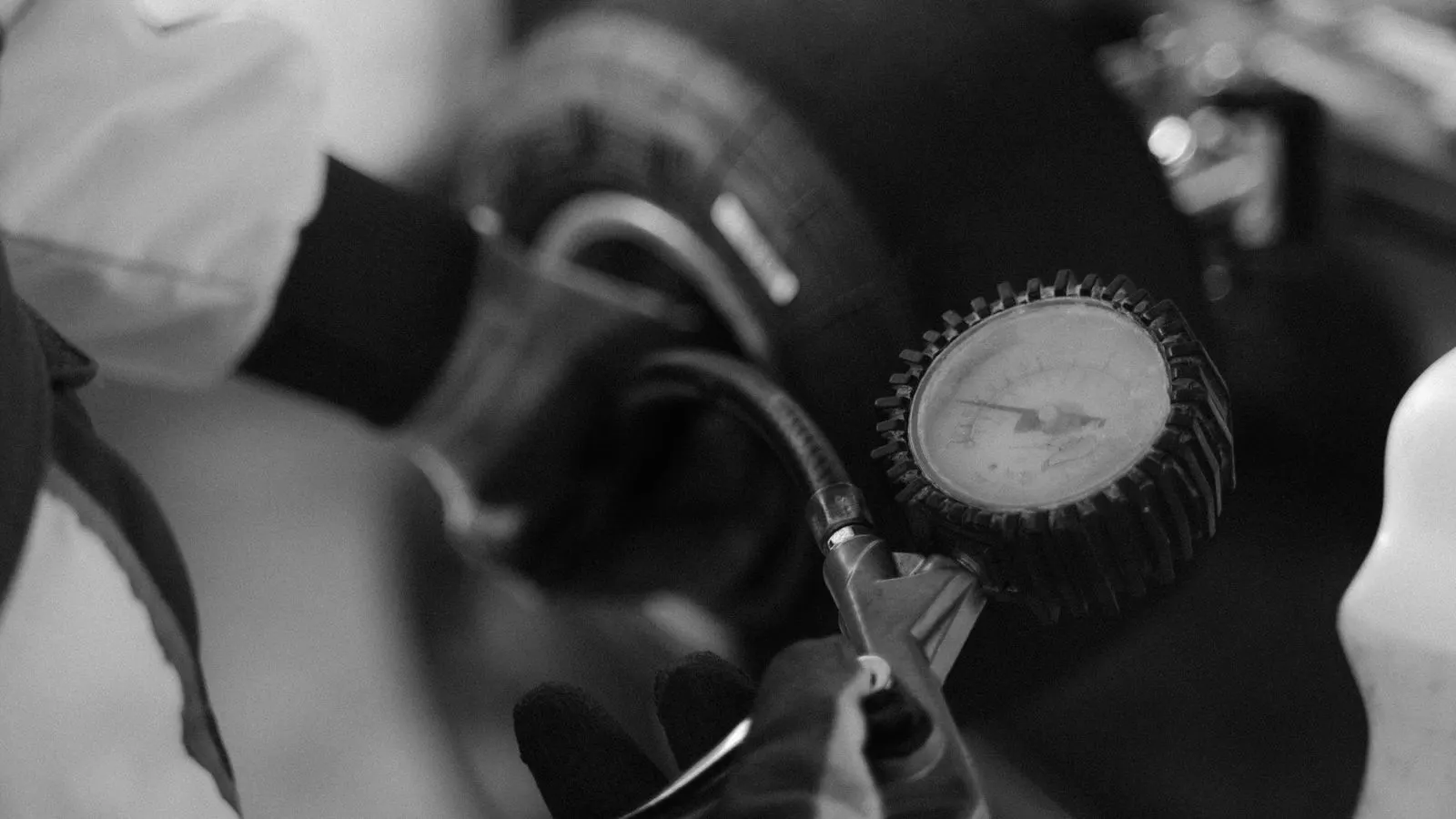
First, maintain correct inflation pressure. The pressure you apply depends on the load carried by each axle. A tire on a heavily loaded steer axle may need a different pressure than a trailer tire. Check the manufacturer’s load chart. Do not rely on the pressure marked on the tire sidewall. That number is the maximum, not the operating pressure. Using the maximum pressure for every load can lead to harsher riding and increased stress on the wheel and axle. Using too little pressure leads to heat buildup and failure. Use a digital gauge for accuracy. Check tires before every trip and at least once a week during the season. Cold temperatures also affect pressure, so re-check after the vehicle has been parked for several hours.
Second, inspect tires regularly. Walk around the truck and look at every tire. Check the tread depth with a gauge. Look for embedded objects, cuts, or bulges. Pay close attention to the steer tires and the tires that carry the most load. A small cut on the sidewall is a major risk. If you find damage, tag the tire and get it inspected. Do not drive on a damaged tire unless it is a minor tread puncture that can be repaired safely. During inspections, also check the valve stems for cracks or leaks. A dry valve stem is a common source of slow leaks.
Third, manage the load. Never exceed the gross vehicle weight rating of the truck or the axle rating. Distribute cargo evenly. If the truck is overloaded, the tires work harder than they were designed to. This creates heat and stress. If you must carry a heavier load, check the tire load rating and inflation requirements carefully. Overloading is a leading cause of catastrophic failures. The weight of the cargo is the primary factor in determining the required pressure. Weigh the vehicle after loading to confirm the axle loads are within safe limits.
The Role of Wheel and Axle Condition
Tires do not fail in isolation. The wheel and axle affect tire life and safety. A bent wheel can cause uneven contact patch pressure. This leads to localized heat and casing damage. A loose axle or hub creates vibration, which stresses the tire mounting area. The wheel is the foundation on which the tire sits. If that foundation is compromised, the tire will suffer.
Check the wheels for bends, cracks, or corrosion. A wheel that does not seat properly on the hub can create uneven wear. Replace damaged wheels immediately. Do not attempt to straighten a bent wheel with a hammer or press unless you have the proper equipment and training. Improper repair can leave internal stresses in the metal that cause the wheel to crack later. A wheel crack can lead to a sudden loss of the tire.
Also, check the wheel bearings. If the bearings are worn, the wheel can move slightly under load. This movement causes the tire to flex in ways it was not designed to. Regularly inspect the bearing play and lubrication. A noisy bearing or excessive play is a sign of failure. When bearings fail, the tire mounting area is subjected to abnormal forces. This can cause the tire to pull off the wheel or develop a sidewall cut. Replacing bearings is a cheap repair compared to the cost of a new wheel and tire.
When to Replace a Tire Instead of Repairing
Some tire damage can be repaired, but not all. Manufacturers and regulations set limits on what can be fixed. A small puncture in the tread area can often be plugged or patched. However, damage to the sidewall, shoulder, or casing must not be repaired. The structural integrity is too compromised. The casing is the heart of the tire. It holds the air pressure and supports the vehicle weight. If it is cut or cut, it cannot be restored to its original strength.
If a tire has been exposed to extreme heat or has a large area of damage, replacement is the only safe option. A repaired tire may fail again under stress. In commercial fleets, a failed repair can lead to a total blowout and a safety incident. The cost of a new tire is a small fraction of the cost of a breakdown, a safety incident, or a lost shipment. Document the reason for replacement. This helps you track patterns and improve your maintenance routine. If you notice a trend of similar failures, investigate the cause. It may be a problem with the inflation equipment, the load distribution, or the driving conditions.
Frequently asked questions
What is the most common cause of a truck tire blowout?
Underinflation is the most common cause. It leads to excessive heat buildup and casing separation.
Can a tire blowout happen without any warning signs?
Yes, it can. A tire may fail suddenly if it has internal damage that is not visible from the outside.
How often should I check my truck tire pressure?
Check the pressure before every trip and at least once a week. More frequent checks are recommended during heavy load periods.
Is it safe to drive on a tire with a sidewall cut?
No. A sidewall cut compromises the casing. The tire should be replaced immediately.
How do I know if a tire is overloaded?
Check the load on each axle against the tire load rating. If the load exceeds the rating, the tire is overloaded.