This guide provides a structured inspection protocol for imported passenger tires. It covers physical verification, documentation checks, and quality control steps to ensure compliance and reduce return risks for distributors.
- Verify load indices and speed ratings match the purchase order and destination market regulations.
- Check for consistent tread depth and sidewall condition to identify manufacturing defects early.
- Cross-reference date codes and manufacturer documentation to ensure freshness and traceability.
- Document every deviation with photos and serial numbers to protect your position in disputes.
Importing passenger tires involves more than checking the quantity on a pallet. The moment a container arrives, the importer bears the responsibility for confirming that the product meets the specific requirements of the end market. A single defective batch can damage a distribution channel. The following checklist organizes the technical checks into four groups: physical identification, surface quality, dimensional consistency, and documentation.
Use this list as a standing protocol for receiving staff. Assign a specific inspector for each container. Keep the checklist printed or available on a tablet at the unloading dock. The goal is consistency. If every container is checked the same way, you create a paper trail that supports claims with manufacturers and freight forwarders.
Confirming Identity and Load Ratings
The first step is to verify that the tires on the pallet are exactly what was ordered. This seems basic, but mix-ups happen during consolidation. Check the sidewall lettering against the purchase order line by line.
The primary keyword for this step is passenger tire specs. You are looking for the exact model name, the size in metric or inch notation, and the compound code if applicable. The size must match the order. A 225/45R17 is not interchangeable with a 225/45R17 if the load index differs.
Check the load index and speed rating next. These two numbers determine the legal and physical limits of the tire.
- Load Index: This is a number that indicates the weight capacity. For example, a load index of 95 supports a different weight than a load index of 99. The difference can be significant for heavier vehicles.
- Speed Rating: This letter indicates the maximum sustainable speed. A “H” rated tire performs differently than a “V” rated tire, especially in braking and handling tests.
If the load index or speed rating does not match the destination market requirements, the tires are non-compliant. Do not accept the shipment without a written correction from the supplier. In some regions, selling a tire with a lower load rating than required for the vehicle class is a safety violation.
| Inspection Item | What to Look For | Common Error |
|---|---|---|
| Model Name | Exact match to purchase order | Generic substitutions |
| Size Notation | Metric or inch format consistency | Mixed size types in one pallet |
| Load Index | Number matches order and local law | Under-rated tires for heavy vehicles |
| Speed Rating | Letter matches order | Lower speed rating than required |
| DOT Code | Visible and legible | Faded or missing manufacturing date |
Checking Tread Depth and Pattern Integrity
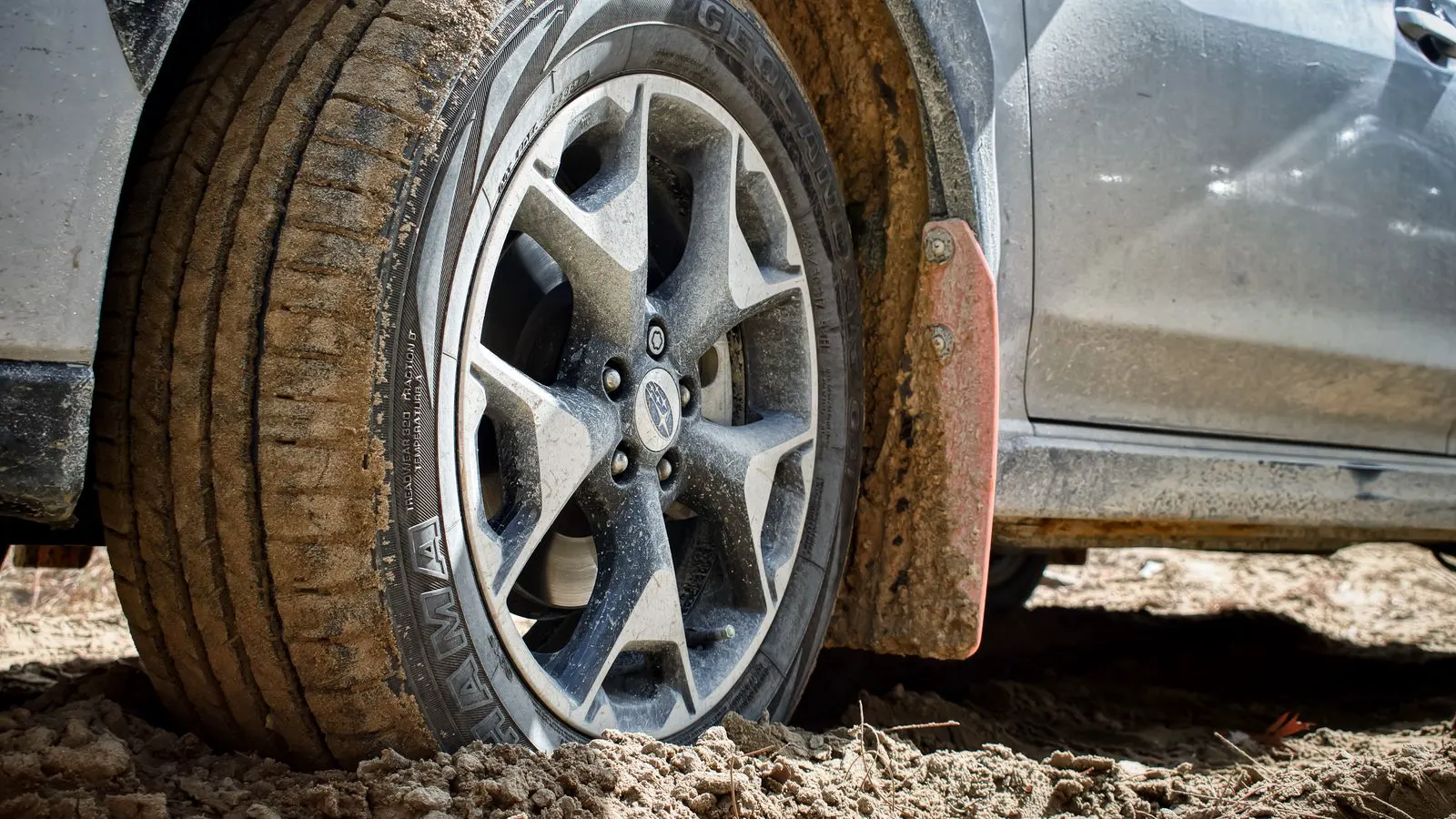
Once identity is confirmed, move to the tread. This is where quality control becomes visible. You are not measuring the exact millimeter of every single tire. You are looking for consistency and defects.
Use a tread depth gauge. Pick three tires from the top layer and three from the bottom layer of the pallet. Measure the depth at the center and at the shoulder of the tread.
- Uniformity: The depth should be even across the tread. If one side is significantly shallower than the other, the tire may have warped during curing or storage.
- Pattern Clarity: The tread blocks should be sharp. Worn-in or fuzzy edges suggest the tires have been sitting in a humid environment or were exposed to sunlight.
- Groove Width: Check the circumferential grooves. They should be uniform in width. A variation in groove width can indicate a molding defect that may affect water evacuation.
Red flags include visible cracks in the tread rubber, chunks of rubber missing from the shoulder, or a shiny appearance on the tread face. A shiny tread often means the rubber has been exposed to heat or direct sunlight for an extended period. This can harden the outer layer and reduce the tire’s grip.
Inspecting Sidewalls and Bulges
The sidewall is the most visible part of the tire and the first thing the end customer sees. It also takes a lot of stress during manufacturing.
Look for bulges. A bulge is a raised area on the sidewall. It usually indicates that the internal casing layers are separated. A bulged sidewall is a safety hazard. Do not accept any tire with a visible bulge.
Check for cuts and nicks. Small cuts are common in handling. Large cuts that expose the casing threads are a major defect. If you see a cut that reaches the steel cord or the fabric layers, reject that specific tire. If the damage is minor and does not expose the internal structure, you may mark it as “accepted with wear” or “rework” depending on your internal quality standards.
Also check for the presence of the manufacturer’s logo and markings. These should be raised and clear. If the markings are flat or missing, the tire may be a counterfeit or a re-sold tire that has been re-wrapped.
Verifying Date Codes and Freshness
Every passenger tire has a DOT code. The last four digits of this code represent the week and year of manufacture.
For imported tires, freshness matters. Rubber ages. Even in a controlled warehouse, the chemical structure of the rubber begins to change over time. Older tires have a higher risk of dry rot, especially in the sidewalls.
Check the date codes on a random sample of tires from the container.
- Age Calculation: Determine how many weeks the tires have been sitting.
- Storage Conditions: Ask the supplier about the storage environment. Were they in a cool, dry warehouse? Or were they in a container in a hot climate?
If the tires are more than two years old, ask the supplier for a storage report. If the tires are from a hot climate, inspect the sidewalls carefully for dry rot. Dry rot appears as small, shallow cracks in the rubber. It is often on the shoulders or the top of the tire.
Reviewing Documentation and Compliance
Physical checks are only half the job. The other half is paper. Import compliance depends on the documents that travel with the tires.
Check the following documents against the physical tires:
- Commercial Invoice: Must match the model names, quantities, and values.
- Certificate of Origin: Required for customs clearance in many jurisdictions.
- Test Reports: Some markets require specific test data for passenger tire specs. Verify that the reports cover the exact batch number you are receiving.
- Safety Certifications: Depending on the destination, you may need to see specific safety marks. Ensure these marks are physically present on the tire sidewall and match the paperwork.
If a document is missing or incorrect, hold the shipment. Do not release it to the warehouse. A missing certificate of origin can delay the entire container. A missing test report can make the tires legally unsellable.
Handling Discrepancies and Claims
If you find issues, how you handle them determines whether you get a replacement or a discount.
- Photograph Everything: Take high-resolution photos of the defect, the tire’s DOT code, and the pallet label.
- Record the Location: Note which layer and position on the pallet the bad tire is in.
- Notify the Supplier: Send the photos and the details to the supplier’s quality team. Do not wait.
- Log the Discrepancy: Update your internal records. Keep a log of all defects found per container.
If the supplier disputes the claim, the log and the photos are your defense. Without them, it is a word against a word.
Final Sign-Off
Before you sign the delivery note, walk the pallet one last time. Check the top tire and the bottom tire. Confirm the count matches the bill of lading. If everything looks correct, sign the note. If you find a defect, note it on the delivery note before signing. Do not sign a clean note for a dirty load.
This process takes time. It slows down the unloading. But the cost of a bad batch is much higher. A bad batch means returns, lost sales, and angry customers. A good batch means a smooth distribution run.
The checklist above is a starting point. Adjust it to fit your specific import routes and supplier relationships. Some suppliers are consistent. Others need more scrutiny. Use your history with each supplier to adjust the depth of your checks.
For more on how to manage these products, refer to the guide on seasonal tire performance and selection. It helps you understand why the specific specs you are checking matter so much to the end user.
Frequently asked questions
How many tires should I inspect from a full container?
A random sample of at least 10 to 15 tires from different layers is a standard practice. Increase the sample size if the supplier has a history of quality issues.
What is the maximum age for passenger tires?
There is no single global rule. However, most retailers and manufacturers recommend replacing tires that are more than five to six years old. For imports, anything over two years old warrants a closer inspection.
Can I accept tires with minor sidewall scratches?
Small scratches that do not expose the casing are usually acceptable. If the scratch is deep or exposes the internal fibers, it is a defect that should be returned or replaced.
What if the load index on the tire does not match the order?
Do not accept the shipment. The load index is a safety specification. If it does not match the purchase order, the tires are not what you bought. Return them or demand a credit.
Do I need to check the tread depth of every single tire?
No. Measuring every tire is time-consuming. A random sample is sufficient for detecting manufacturing defects. Use the sample to identify if the whole batch has a problem.