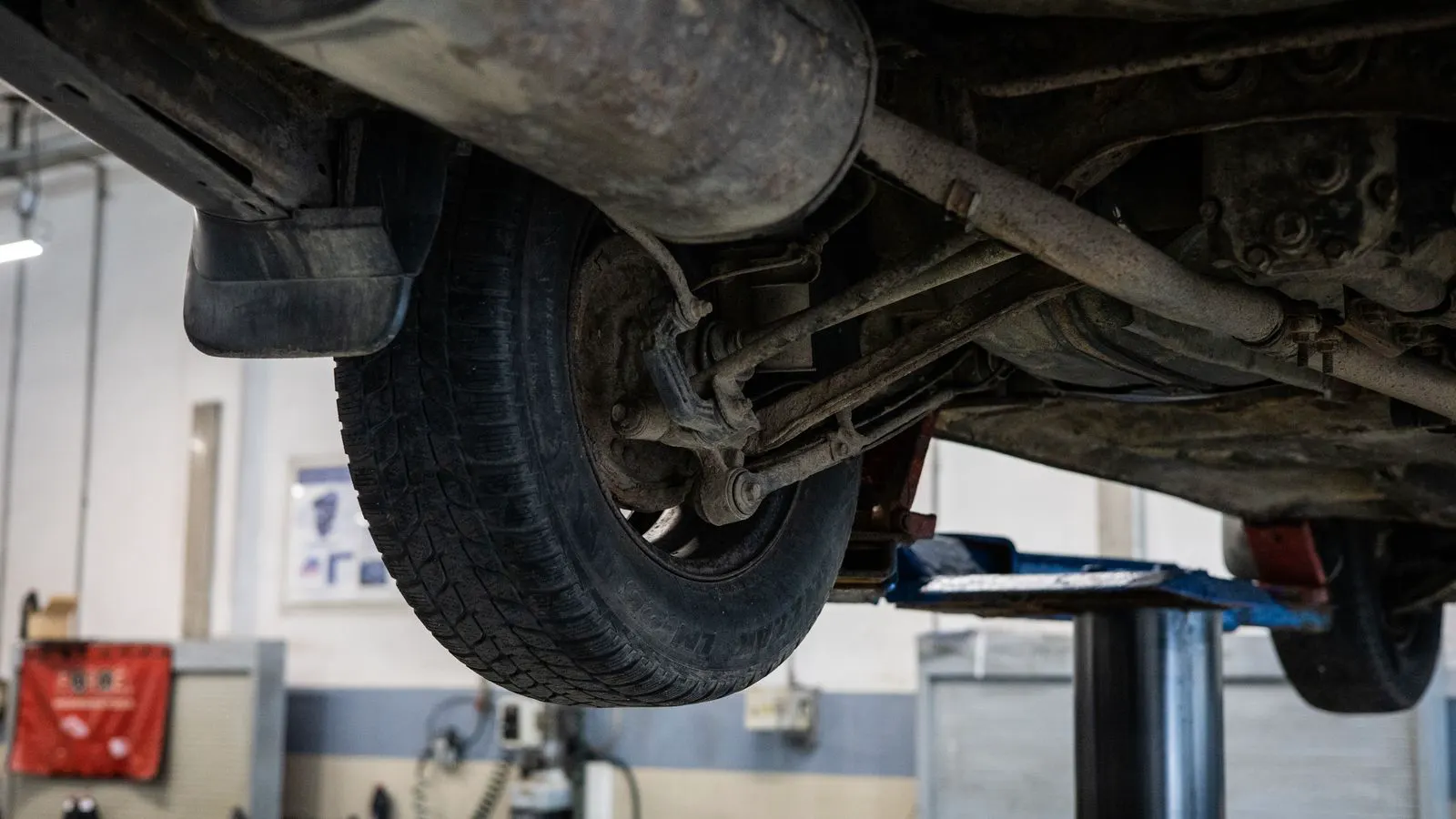
Rim offset determines lateral wheel position relative to the hub, directly influencing tire clearance, steering geometry, and alignment stability. This explainer defines offset, explains how it affects sourcing and fitment, and provides a plain-language example for wheel buyers and engineers.
- Rim offset measures the distance from the wheel mounting face to the wheel centerline, and it shifts the entire wheel assembly forward or backward relative to the suspension.
- Changing offset alters tire-to-fender clearance, steering angles, and the load path through the wheel bearings, which can affect alignment wear and handling.
- Sourcing wheels requires matching offset to the vehicle's suspension design and tire size, not just the bolt pattern and diameter.
- A worked example shows how a positive offset change reduces front tire clearance and increases inner tire contact, affecting fitment and alignment.
What Is Rim Offset and How Is It Measured
Rim offset is the distance between the wheel mounting face and the wheel centerline, measured in millimeters. The mounting face is the surface that contacts the hub or hub adapter. The centerline is the imaginary plane that divides the wheel barrel into two equal halves.
When the mounting face sits closer to the vehicle side than the centerline, the offset is positive. When it sits closer to the vehicle center, the offset is negative. Zero offset places the mounting face exactly at the centerline.
Offset is usually stamped on the wheel barrel, but stamped values can wear or be inaccurate. For sourcing decisions, a physical measurement is more reliable. The measurement process uses a caliper or dedicated offset gauge to find the wheel centerline and the mounting face plane.
For buyers, offset is not a cosmetic choice. It is a structural parameter that determines where the tire sits relative to the suspension components, the fender, and the vehicle centerline. Two wheels with identical diameter, width, and bolt pattern can produce very different vehicle behavior if their offsets differ.
How Offset Changes Tire Clearance
Tire clearance is the space between the tire sidewall and the fender, wheel arch, or other surrounding components. Offset changes the lateral position of the tire, so it directly affects this clearance.
A more positive offset moves the wheel and tire toward the vehicle center. The inner edge of the tire moves closer to the suspension, and the outer edge moves closer to the fender. A more negative offset does the opposite.
This shift is not uniform. The tire sidewall is not a flat vertical surface. It bulges at the shoulder and tapers at the center. The clearance change is greatest at the tire shoulder, where the sidewall is widest. A small offset change can reduce shoulder clearance noticeably, especially with wider tires.
For sourcing, tire clearance requirements must be checked at the shoulder, not just at the bead seat. A wheel may pass a simple width check but fail when the tire is inflated and the sidewall bulges.
How Offset Affects Vehicle Alignment
Vehicle alignment involves setting the steering and suspension angles so the tires roll straight and wear evenly. Offset changes the wheel’s position relative to the steering axis and the suspension mounting points.
A change in offset moves the wheel hub relative to the suspension. This alters the steering angle, the toe angle, and the camber relationship at the tire contact patch. The wheel bearing load path also changes, because the hub is no longer centered over the bearing race in the same way.
The alignment effect is usually small for standard passenger vehicles. A change of a few millimeters may require a re-alignment after installation. For commercial vehicles or vehicles with larger tires, the effect can be more pronounced.
For engineers, offset is a variable in the suspension kinematics model. A change in offset changes the effective steering geometry. For buyers, it means a wheel change can alter the alignment settings that were previously correct.
Worked Example in Plain Words
Consider a vehicle with a front suspension designed for a specific wheel offset. The factory wheels have a positive offset that places the mounting face slightly ahead of the centerline. This keeps the tire centered in the fender and maintains the intended steering geometry.
Now replace the wheels with aftermarket rims of the same diameter and width but with a higher positive offset. The mounting face moves further ahead of the centerline. The entire wheel assembly shifts toward the vehicle center.
The tire shoulder now sits closer to the fender. Clearance decreases. The tire also sits closer to the suspension arm. The steering axis is no longer centered over the bearing in the same way. The alignment angles shift.
After installation, the vehicle may still drive straight, but the tire wear pattern changes. The inner shoulder may wear faster, or the outer shoulder may contact the fender at full steering lock. A re-alignment is needed to restore the intended angles.
This example shows why offset is not interchangeable with wheel width. The width changes the tire footprint, but the offset changes the tire position. Both matter for fitment.
Sourcing Decisions and Fitment Checks
When sourcing wheels, offset must be matched to the vehicle’s suspension design and tire size. The bolt pattern and diameter are the first checks, but they do not define fitment. Offset is the second critical dimension.
A common mistake is selecting wheels based on bolt pattern and diameter only. The offset is assumed to be compatible. In practice, the offset may be too positive or too negative for the vehicle’s suspension.
The sourcing decision should include the tire size as well. A wider tire needs more lateral space. The same wheel with a different offset can work with one tire size but not another. The clearance check must be done for the specific tire, not just the wheel.
For imported wheels, offset stamps can be inaccurate. A pre-shipment inspection should verify the offset physically. The measurement should be recorded in the purchase documentation. This protects the buyer when the wheels are installed and the fitment is checked.
Practical Checks Before Installation
Before installing a wheel, check the offset value against the vehicle’s specification. If the vehicle does not have a published offset specification, use the factory wheel as a reference. Measure the factory wheel offset and compare it to the replacement wheel.
Check the tire clearance at the shoulder. Inflate the tire to the recommended pressure. Place the vehicle on level ground. Measure the gap between the tire shoulder and the fender at full steering lock and at straight ahead.
Check the steering geometry. After installation, have the alignment checked. The alignment angles may need adjustment. Record the new settings for future reference.
Check the wheel bearing load. If the offset changes significantly, the bearing load path changes. Monitor for unusual noise or vibration. A bearing that was fine with the factory offset may wear faster with a different offset.
Common Fitment Problems Caused by Offset
A too-positive offset reduces front tire clearance. The tire shoulder contacts the fender at full steering lock. The contact may leave a mark on the tire or the fender. The steering may feel tighter because the tire is closer to the suspension.
A too-negative offset moves the tire toward the fender. The outer shoulder contacts the fender at straight ahead or at part steering lock. The tire may rub during normal driving. The steering may feel looser because the tire is farther from the suspension.
Both problems cause tire wear. The worn area is usually the shoulder. The tire may need replacement sooner. The alignment may need adjustment. The wheel may need to be replaced with a different offset.
For commercial vehicles, the problem can be more severe. Larger tires and heavier loads increase the contact forces. A small offset change can cause significant wear or damage. Fitment checks must be more careful.
| Wheel Offset Change | Tire Clearance Effect | Steering Geometry Effect | Typical Symptom |
|---|---|---|---|
| More positive offset | Inner tire moves toward suspension, outer tire moves toward fender | Steering axis shifts, toe and camber angles change | Reduced shoulder clearance, tighter steering, faster inner wear |
| More negative offset | Outer tire moves toward fender, inner tire moves toward suspension | Steering axis shifts, toe and camber angles change | Fender contact, looser steering, faster outer wear |
| Same as factory offset | No change in clearance | No change in steering geometry | No change in wear or handling |
| Offset outside vehicle range | Clearance may be insufficient | Alignment angles may be out of specification | Rubbing, unusual wear, alignment failure |
Alignment and Wear Patterns
Tire wear is often the first sign of a fitment problem. Offset changes the wear pattern. The tire contact patch shifts relative to the steering axis. The tire may wear more on one side than the other.
A common wear pattern is inner shoulder wear. This can happen when the offset is too positive. The tire is pushed toward the fender, and the inner shoulder contacts the suspension or the fender at part steering lock.
Another common pattern is outer shoulder wear. This can happen when the offset is too negative. The tire is pushed toward the fender, and the outer shoulder contacts the fender at straight ahead or at part steering lock.
The wear pattern is not always obvious. It may take several thousand kilometers to become visible. A tire that looks fine on the outside may have a worn shoulder that affects grip and handling.
For professional buyers, the wear pattern is a diagnostic tool. If a tire wears unevenly after a wheel change, check the offset. If the offset is correct, check the alignment. If the alignment is correct, check the tire pressure and the suspension condition.
Final Fitment Considerations
Offset is a mechanical parameter, not a cosmetic one. It determines where the tire sits relative to the vehicle. It affects clearance, steering, and alignment. It affects tire life and vehicle handling.
For sourcing, offset must be matched to the vehicle and the tire. The bolt pattern and diameter are necessary but not sufficient. The offset is the key dimension that determines fitment.
For installation, offset must be verified. The offset stamp on the wheel may be inaccurate. A physical measurement is more reliable. The measurement should be recorded in the purchase documentation.
For alignment, offset must be considered. A wheel change can alter the alignment angles. A re-alignment is needed after installation. The new settings should be recorded for future reference.
For commercial vehicles, offset must be checked carefully. Larger tires and heavier loads increase the forces. A small offset change can cause significant wear or damage. Fitment checks must be more careful.
Rim offset effects are not minor. They are fundamental to vehicle fitment. Understanding them helps buyers make better sourcing decisions and helps engineers design better fitment specifications. The result is better tire life, better handling, and fewer fitment problems.
Frequently asked questions
How does rim offset affect tire clearance?
Rim offset changes the lateral position of the tire relative to the fender and suspension. A more positive offset moves the tire toward the vehicle center, reducing outer shoulder clearance. A more negative offset moves the tire toward the fender, reducing outer shoulder clearance at straight ahead.
How do I measure wheel offset?
Measure the distance from the wheel mounting face to the wheel centerline using a caliper or offset gauge. The mounting face is the surface that contacts the hub. The centerline is the plane that divides the wheel barrel into two equal halves.
Can I use any wheel with the correct bolt pattern and diameter?
No. Bolt pattern and diameter are necessary but not sufficient. Offset determines the tire position relative to the vehicle. A wheel with the correct bolt pattern and diameter may still have an offset that causes clearance issues or alignment problems.
Does offset affect vehicle alignment?
Yes. Offset changes the wheel position relative to the steering axis and suspension. This alters the steering angles and the load path through the wheel bearings. A re-alignment is usually needed after a wheel change.
Should I check offset before installing wheels?
Yes. Check the offset value against the vehicle specification. If the vehicle does not have a published specification, measure the factory wheel offset and compare it to the replacement wheel. Verify the offset physically, as stamped values can be inaccurate.